Trekking Choquequirao to Vilcabamba: The Ultimate Inca Challenge
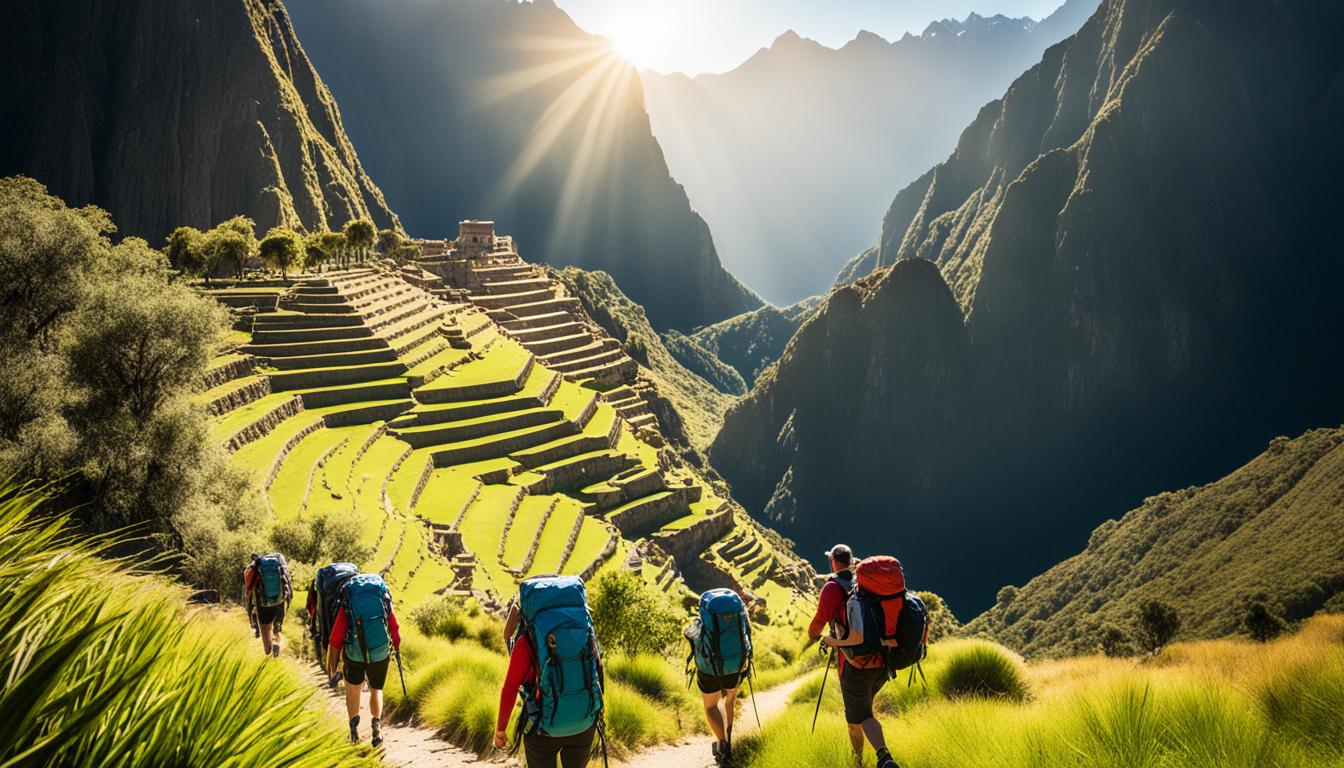
Immerse yourself in the heart of the Andes with this unforgettable 8-day trek from Choquequirao to Vilcabamba. This extraordinary route connects two of Peru’s most iconic and remote historical sites, providing a unique combination of breathtaking landscapes, fascinating history, and thrilling adventure. Known as “The Ultimate Inca Challenge,” this trek traverses rugged mountain paths, deep valleys, and tranquil cloud forests, offering unparalleled views of snow-capped peaks and the lush Peruvian wilderness.
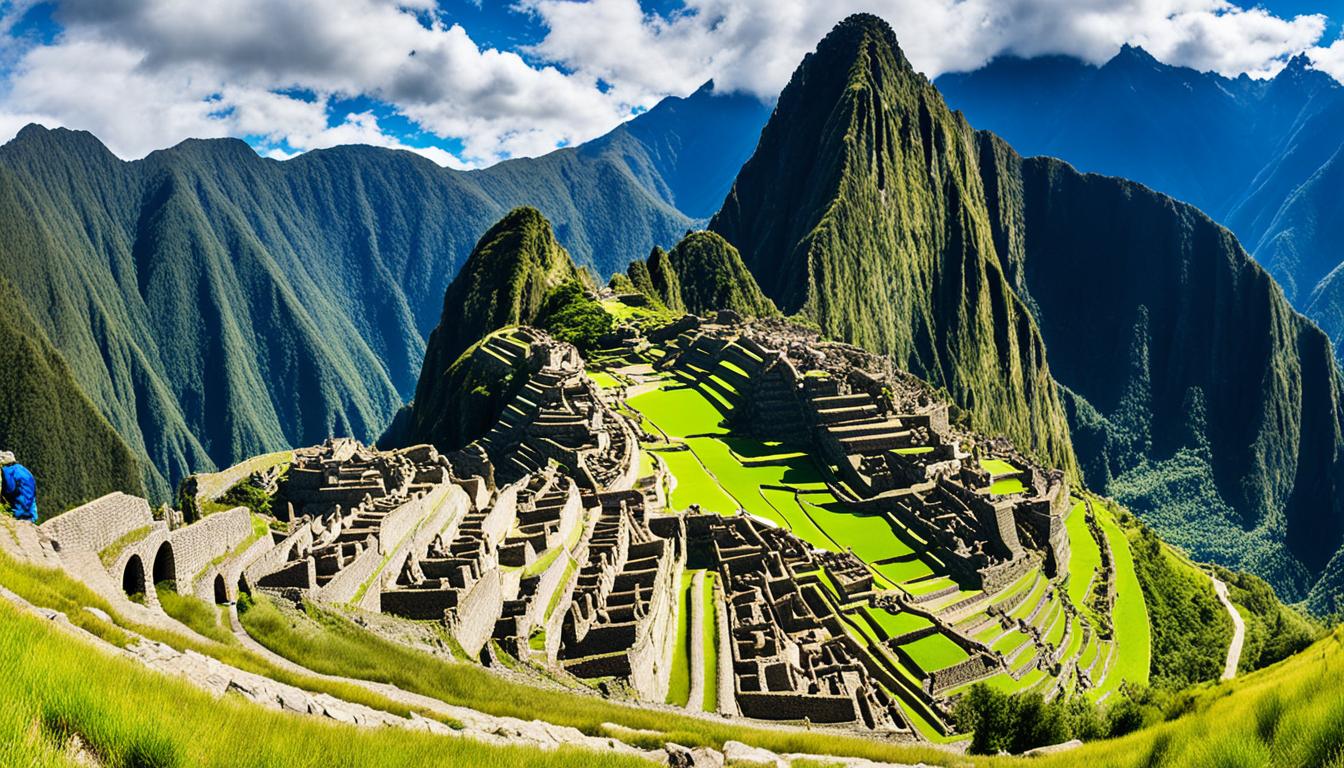
The journey begins at Choquequirao, often referred to as Machu Picchu’s lesser-known sibling and an archeological masterpiece perched high above the Apurímac River. You’ll explore its extensive terraces, ceremonial centers, and intricate stonework before setting off on a trail that leads to remote villages, untouched nature, and the less-traveled paths that bring the ancient Andean culture to life. Each day unveils a new wonder, from hidden waterfalls to panoramic vistas, culminating in Vilcabamba, the last stronghold of the Incas — a site that holds deep historical and cultural significance.
Perfect for seasoned trekkers seeking both challenge and reward, this trek offers an unforgettable experience. Get ready to step out of your comfort zone and into a world of discovery, where history and nature converge to create memories that will last a lifetime.
Guided by experienced professionals, we ensure that your trek is as seamless and enjoyable as possible. Our team provides exceptional meals prepared fresh each day to keep you energized and ready for the adventure ahead. You’ll rest comfortably with our top-quality camping equipment, designed to withstand the rugged Andean terrain. To make your experience stress-free, all your gear, including your duffel bag, will be transported by horses from camp to camp, allowing you to focus solely on the breathtaking landscapes and the adventure of a lifetime. We are dedicated to delivering an unparalleled trekking experience that exceeds your expectations.
Important Details About the 8-Day Trekking Choquequirao to Vilcabamba
overview
The 8-day trekking adventure from Choquequirao to Vilcabamba is a truly unforgettable experience that will immerse you in some of Peru’s most remote and awe-inspiring landscapes. To ensure you are well-prepared, here are some important details to know before embarking on this epic journey:
Trek Details
Start of the Tour: Pick-up at 5:30 am from your hotel in Cusco.
Trek Departure Point: Capuliyoc area at 2,900 masl – a 4.5-hour drive from Cusco.
Altitude of Choquequirao: 3,050 masl.
Type of Tour: Trekking, Cultural, and Adventure.
Difficulty Level: 3.5 on a scale of 1 to 5.
Best Time: Dry season, from April to November.
Duration of the Trek: 8 days / 7 nights.
Acclimatization: It is recommended to stay in Cusco for at least 2 days before your trek.
Short Itinerary
Day 1: Cusco – Capuliyoc – Santa Rosa Camp
Your adventure begins early in the morning, as you depart Cusco and drive to Capuliyoc at 2,900 masl, the starting point of the trek. From here, you will descend into the Apurímac Canyon, enjoying breathtaking views along the way. After a few hours of trekking, you’ll reach Santa Rosa Camp, where you’ll rest for the night amidst nature’s tranquility.
Day 2: Santa Rosa – Choquequirao
The day begins with an early climb through lush vegetation and dramatic scenery. Once you reach Choquequirao, located at 3,050 masl, you will have time to explore this magnificent archaeological complex, often referred to as the “sister city” of Machu Picchu. You’ll set up camp nearby, with incredible views of the surrounding Andean landscape.
Day 3: Exploring Choquequirao
This day is dedicated to immersing yourself fully in the wonders of Choquequirao. Explore its expansive terraces, ceremonial centers, and intricate water systems. Your guide will share the fascinating history of this hidden gem, making it an unforgettable experience. The day ends with a peaceful evening surrounded by the mystery of this ancient site.
Day 4: Choquequirao – Maizal
From Choquequirao, you will trek toward the Maizal area, crossing stunning highland terrain. The path is steep but rewarding, offering panoramic views of snow-capped peaks and cloud forest valleys. Upon arrival at Maizal, set up camp for a well-deserved rest.
Day 5: Maizal – Yanama
Today’s trek takes you over the Abra San Juan pass, which stands at an altitude of over 4,000 masl. The breathtaking views from the pass, including glimpses of glaciers and verdant valleys, make the climb worthwhile. Continuing your descent, you’ll arrive at the rural village of Yanama, where you’ll spend the night.
Day 6: Yanama – Qelqamachay
A scenic day of trekking awaits as you pass through remote Andean landscapes and wave to local farmers working in their fields. You’ll ascend steadily toward Qelqamachay, enjoying views of pristine mountains and lush valleys. Set up camp for another restful night in this serene environment.
Day 7: Qelqamachay – Huancacalle
The trail continues through beautiful landscapes as you make your way toward the village of Huancacalle. Along the way, enjoy encounters with rich biodiversity and Andean culture. Upon reaching Huancacalle, you’ll have time to settle in and relax.
Day 8: Huancacalle – Vitcos – Santa Maria – Cusco
On your final day, visit the archaeological site of Vitcos, an important spiritual and administrative center during the Inca era. After exploring, you’ll continue descending toward Santa Maria, where your transportation will be waiting to take you back to Cusco. Reflect on your incredible adventure during the scenic drive home, arriving in Cusco by evening.
Detailed Itinerary
Day 1: Cusco – Capuliyoc – Santa Rosa Camp
We will start our adventure early, picking you up from your hotel in Cusco at 5:00 AM. Be sure to have all your gear ready as we head out for the Vilcabamba trek. Our morning begins with a scenic 4-hour drive to the town of Cachora, followed by another 1-hour ride to Capuliyoc (2,900 m/9,514 ft), where we will have breakfast amidst stunning landscapes. This location marks the starting point of our trek and the place where we will meet our team of muleteers and horses who will accompany us on the journey.
From Capuliyoc, you’ll enjoy the first breathtaking views of the Vilcabamba mountain range, with its glacial peaks glistening on the horizon. The trek begins with a 2-hour descent down a zigzagging path to Cocamasana. From there, we’ll continue for another hour to Chiquisca (1,800 m/5,905 ft), where we’ll stop for a hearty lunch to refuel.
Afterward, we will resume our hike, descending further to the Apurímac River. Crossing the bridge at Playa Rosalina (1,500 m/4,921 ft), we’ll begin a challenging but rewarding uphill climb for approximately 2 hours until reaching Santa Rosa Camp (2,100 m/6,890 ft), our first campsite. Here, you can unwind, enjoy a delicious dinner, and rest under the starry sky, surrounded by the tranquility of nature.
Detailed Summary:
Distance: 16 km / 10 miles
Climate: Warm and sunny
Meals Provided: Lunch – Dinner
Accommodation: Camping
Minimum Altitude: 1,500 m.a.s.l. (Playa Rosalina)
Maximum Altitude: 2,100 m.a.s.l. (Santa Rosa Campsite)
Approximate Duration: 6 hours
Difficulty Level: Demanding
Day 2: Santa Rosa – Marampata – Choquequirao
Prepare for an exhilarating day as we ascend to the breathtaking Inca city of Choquequirao. Our adventure starts early with an energizing breakfast at 5:00 AM. From there, we will begin a 3-hour climb along a steep and narrow trail, making our way up to Marampata, standing at an altitude of 3,050 meters (10,006 ft) above sea level. Along the ascent, you’ll be immersed in the striking beauty of the tropical humid forest, encountering vibrant orchids and dense vegetation that highlight the area’s biodiversity.
After a brief rest at Marampata to catch our breath and enjoy the stunning surroundings, we will continue trekking for another 2 hours until we reach the camping area within the Choquequirao archaeological park. Upon arrival, we will recharge with a delicious lunch and take in the stunning panoramic views of the region. The excitement doesn’t stop there, as we explore the first sections of Choquequirao. You’ll marvel at the agricultural terraces, the majestic waterfall, and the serene water temple, each offering a glimpse into the advanced engineering and spiritual life of the ancient Incas.
This action-packed day concludes with a well-deserved rest at the campsite, allowing you to soak in the tranquility of this remarkable archaeological site.
Detailed Summary:
Distance: 14 km / 8.7 miles
Climate: Temperate during the day, cold at night
Hiking Time: 7 hours
Meals Provided: Breakfast – Lunch – Dinner
Minimum Altitude: 2,100 m.a.s.l. (Santa Rosa Campsite)
Maximum Altitude: 2,900 m.a.s.l. (Choquequirao Campsite)
Difficulty Level: Demanding
Day 3: Exploring Choquequirao, Then Trek to Pinchiunuyoc
Your day begins with the melodious songs of the birds waking you gently to the beautiful morning at Choquequirao. After a nourishing breakfast, we will start our day by exploring some of the most iconic sites within Choquequirao’s vast archaeological complex. The morning tour includes visits to the Astronomer’s Temple, the intricately designed Llama Terraces, the fascinating Inca’s House, and the grand Main Temple. These locations showcase the incredible architectural and cultural achievements of the Incas, transported back by the stories they tell.
Our cook will bring us a delightful lunch right in Choquequirao, ensuring you are refueled and energized for the second part of the day’s adventures. After lunch, we will ascend to the upper section, where the majestic Water Temple is located. From there, we will climb to the highest vantage point in the area, offering unparalleled panoramic views of the entire Choquequirao complex. This is the perfect opportunity to capture breathtaking photos that will preserve the memory of this extraordinary site forever.
Following this enriching exploration, we will trek uphill briefly toward the pass and then begin a serene 2-hour descent through lush landscapes until we reach our campsite at Pinchiunuyoc. Here, you can relax and enjoy the tranquility of the surroundings after an exhilarating and fulfilling day of discovery and trekking.
After a hearty breakfast, we will begin our descent down the mountain to the serene Río Blanco (White River), sitting at an altitude of 1,900 meters (6,233 feet). The trail spans 6 kilometers and takes approximately 2 hours to complete. Upon arrival, we will take a well-earned rest and enjoy a rejuvenating dip in the crystal-clear, cold waters fed by nearby glaciers. This is a perfect opportunity to unwind and connect with the natural splendor of the surroundings.
Following this refreshing break, we will cross the river to the opposite side of the valley and start the challenging ascent toward Maizal. The climb is 10 kilometers long and will take roughly 4 hours of steady hiking. Along the way, you’ll witness breathtaking views of the Andean landscape, teeming with lush vegetation and vibrant wildlife. The trail winds through dense forests and opens up to panoramic vistas that perfectly showcase the region’s natural beauty. This stretch of the journey requires determination and pacing, but the stunning scenery will make the effort worthwhile.
Our destination for the evening is the campsite in Maizal, situated at 2,891 meters (9,484 feet) above sea level. This peaceful setting offers a well-deserved rest after an exhilarating day on the trail. Surrounded by the tranquility of nature, the campsite provides breathtaking views of the surrounding mountains and valleys, making it an ideal spot to unwind and recharge for the adventures ahead.
Detailed Summary:
Time: 2 hours of descent, 4 hours of ascent
Meals Provided: Breakfast – Lunch – Dinner
Campsite Altitude: 2,891 m.a.s.l. (Maizal)
Minimum Altitude: 1,900 m.a.s.l. (Río Blanco)
Maximum Altitude: 2,891 m.a.s.l. (Maizal)
Distance Covered: 16 km / 9.9 miles (Pinchaunuyoc – Maizal)
Climate: Temperate, warm
Day 5: Maizal – Minas Victoria – Yanama
After enjoying a hearty breakfast to energize for the day ahead, we set off on the trail from Maizal. The first two hours of the trek follow an undulating trail, offering a mix of gentle ascents and descents. From there, we begin a more challenging uphill climb for approximately 2 hours and 30 minutes to reach the San Juan Pass at an altitude of 4,200 m (13,780 ft). This section of the trail is nothing short of breathtaking, as it takes us through lush vegetation, vibrant flowers, and the melodies of diverse bird species. The gradual change in the landscape as we ascend makes every step worthwhile.
At the top of the San Juan Pass, we will be rewarded with a stunning view of the majestic chain of glaciers in the Vilcabamba mountain range. This is the perfect spot to pause, catch your breath, and immerse yourself in the beauty of the Andes. The sweeping panorama showcases towering peaks blanketed in snow, glistening under the sunlight, and the valleys below stretch out in a magnificent display of natural splendor. For many, this moment is one of reflection and awe, a chance to truly connect with the grandeur of the surrounding landscape before continuing the trek.
After our well-deserved rest, we will begin a descent of about 2 hours, leading us to the community of Yanama. Nestled at an altitude of 3,800 m (12,467 ft), Yanama is surrounded by traditional family homes and offers a warm and welcoming atmosphere. Here, we will enjoy a delicious lunch and spend the night at our campsite, reflecting on the day’s incredible experiences.
Detailed Summary:
Hiking Distance: 20 km / 12.4 miles (Maizal – Yanama)
Hiking Time: 6 to 7 hours approximately
Meals Provided: Breakfast – Lunch – Dinner
Maximum Altitude: 4,200 m.a.s.l. (13,780 ft)
Minimum Altitude: 2,900 m.a.s.l. (9,515 ft)
Climate: Cold
Campsite: Yanama
Day 6: Yanama – Llutupampa – Quellqa Machay
After a hearty breakfast, we begin our day at 6:30 am, embarking on another thrilling adventure through the stunning Andean landscapes. The trail descends for 20 minutes into a serene valley where we will cross a bridge and continue our hike alongside the picturesque Yanama River. This stretch, lasting approximately 3 hours, offers breathtaking views of the lush valley and surrounding scenery as we make our way to Llutupampa.
From Llutupampa, the trail ascends steeply for about an hour to Mesa Pata, our lunch spot for the day. Here we will replenish our energy with a delicious meal while soaking in the awe-inspiring vistas of the region. Following lunch, the trail transitions into a more gentle climb, taking approximately 3 hours to reach Quellqa Machay, our campsite for the night. Upon arrival, we will settle in and prepare for a well-deserved rest beneath the serene, star-filled Andean sky.
Quellqa Machay, situated at 4,000 m (13,123 ft), offers a tranquil yet challenging environment amidst the towering peaks of the Andes. Tonight’s dinner will be served at the campsite, providing a comforting meal after the day’s efforts. The peaceful ambiance of this remote location allows for quiet reflection beneath the clear night sky. Please note that the nights here are cold, so dressing warmly is essential to stay comfortable. This preparation will ensure you are well-rested and ready for the next day’s trek, as we continue our unforgettable Andean adventure.
Detailed Summary:
Hiking Distance: 24 km / 14.9 miles
Hiking Time: 6 to 7 hours approximately
Meals Provided: Breakfast – Lunch – Dinner
Maximum Altitude: 4,000 m / 13,123 ft (Quellqa Machay)
Minimum Altitude: 3,800 m / 12,467 ft (Yanama)
Climate: Cold
Campsite: Quellqa Machay
Day 7: Qelqamachay – Choquetacarpo Pass – Collpa – Huancacalle
Today begins with the traditional coca tea and a hearty hot breakfast to fuel another incredible day of adventure. We will start our trek along the original and well-preserved Inca Trail, ascending towards the highest point of the route—the Choquetacarpo Pass (Abra Choquetacarpo) at an impressive 4,600 m / 15,091 ft. This stretch of the trek, lasting approximately 4 hours, offers breathtaking panoramic views of the valley, making it an ideal spot for taking stunning photos.
This section showcases the extraordinary engineering of the Incas, as you walk along a nearly flawless path they created centuries ago. From the pass, we will begin a 2-hour descent towards Collpa, where a delicious lunch will be waiting for us. During this descent, you will notice the gradual reappearance of vibrant vegetation, offering a vivid contrast to the higher altitudes.
After lunch, we will continue for another 2 hours until we reach the charming town of Huancacalle, located at 2,900 m / 9,514 ft. Here, we will set up camp and enjoy a well-deserved dinner, celebrating another day filled with remarkable views, cultural immersion, and unforgettable memories. The serene atmosphere of Huancacalle, surrounded by rich landscapes and historical significance, provides the perfect setting to relax and reflect on the day’s adventures before settling in for the night.
Detailed Summary:
Hiking Distance: 25 km / 15.5 miles
Hiking Time: 7 to 8 hours approximately
Meals Provided: Breakfast – Lunch – Dinner
Maximum Altitude: 4,600 m / 15,091 ft (Choquetacarpo Pass)
Minimum Altitude: 2,900 m / 9,514 ft (Huancacalle)
Climate: Cold
Campsite: Huancacalle
Day 8: Huancacalle – Vitcos / Rosaspata – Santa Maria – Cusco
After a hearty breakfast, we will break camp at 7:00 AM and set off on an enriching day of exploration and discovery. The morning is dedicated to visiting the fascinating Inca archaeological sites of Vitcos-Rosaspata and the temple of Ñustahispana. These remote and sacred sites serve as powerful reminders of the final days of the Incas, offering a glimpse into their resistance against the Spanish conquest. With our knowledgeable guide, you’ll uncover the history, significance, and cultural importance of these locations, as well as explore the stories of the last Inca kings that are embedded in the ruins.
The exploration requires approximately four hours of walking as we traverse the area, taking in awe-inspiring views of the surrounding landscape. After returning to Huancacalle, we will enjoy a well-deserved lunch and rest, appreciating the conclusion of the trekking portion of our adventure. During this time, we will also bid farewell to our muleteer and cook, who have been invaluable throughout the trek.
From Huancacalle, our journey transitions to private transportation, where we will begin descending through lush valleys and picturesque landscapes toward the town of Santa Maria. Continuing, we will ultimately make our way back to Cusco, arriving in the evening. This marks the end of an unforgettable adventure, leaving you with cherished memories and a profound connection to the incredible history, culture, and natural beauty of the Andes.
Detailed Summary:
Hiking Time: Approximately 4 hours (for the site visits)
Climate: Warm
Meals Provided: Breakfast – Lunch – Dinner
Inclusions
The Tour Includes:
Informative Talk: A detailed briefing is held the day before the start of the trek to ensure you’re well-prepared.
Hotel Pick-Up: Convenient pick-up directly from your respective hotel in Cusco.
Entrance Tickets: Includes entry to both Choquequirao and Vilcabamba archaeological sites.
Transportation: Private transportation from Cusco to Capuliyoc (starting point of the trek) and from Huancacalle back to Cusco in a comfortable minivan.
Professional Bilingual Guide: A knowledgeable guide fluent in English and Spanish to provide insights into the region’s history and culture.
Camping Equipment: High-quality camping gear, including dining and kitchen tents, tables, and chairs, to ensure a comfortable experience in the wilderness.
Horses: Horses to carry camping equipment and personal luggage (up to 7 kilos per person) are included. Emergency horses are also available if needed.
Cook: An experienced cook who will prepare delicious meals throughout the trek.
Meals Provided: Nutritious meals served daily, excluding the first day’s breakfast and the last day’s dinner.
First Aid Kit: A fully equipped first aid kit, including an emergency oxygen bottle, to ensure your safety at all times.
Does Not Include:
Breakfast on the First Day: Please make arrangements for breakfast before starting the trek.
Dinner on the Last Day: The evening meal in Cusco is not included.
Trekking Poles: Available to rent or bring your personal pair.
Sleeping Bags: Not included, but available to rent if needed.
Extra Drinks: Personal purchases of mineral water, soda, beers, or similar beverages during the trek.
Tips (Gratuities): At your discretion for guides, cooks, and other staff.
Travel Insurance: Participants are responsible for arranging their own travel insurance.
This comprehensive package ensures a seamless, enriching, and well-supported adventure for all travelers, giving you the opportunity to focus entirely on the breathtaking scenery and cultural experiences!
Packing
What to Bring (Lista de Empaque)
To ensure a comfortable and enjoyable trek, it is essential to come well-prepared with the right gear and personal items. Here is a comprehensive packing list to help you get ready for your adventure:
Original Passport: Mandatory for all trekkers, as it’s required to access certain checkpoints.
Trekking Poles: Helpful for stability and reducing strain during long hikes.
Clothing for All Weather: Pack for 8 days, considering both warm days and cold nights.
Trekking Shoes: Sturdy, comfortable shoes designed for mountainous terrain.
Sneakers or Sandals: Ideal for use during showers or relaxing at hot springs.
Warm Layers: Wool or synthetic socks and a sweater to stay cozy in colder temperatures.
Versatile Tops: Bring a mix of t-shirts, long-sleeve, and short-sleeve shirts for varying weather conditions.
Rain Gear and Sun Protection: A durable rain poncho, sun hat, and sunscreen to withstand unexpected weather.
Personal Care Items: Sunscreen, insect repellent, alcohol-based hand sanitizer, sterilizing tablets, toiletries, and a roll of toilet paper.
Water Bottle: Stay hydrated throughout the trek.
Camera: Capture unforgettable moments and scenic views along the way.
Headlamp and Batteries: Essential for night visibility, especially in campsites or during early-morning starts.
Snacks: Treat yourself with energy-rich items like chocolate bars or dried fruit for a quick boost during the hike.
Extra Money in Soles: Useful for personal expenses or unexpected needs along the trek.
By bringing the above items, you’ll be fully equipped to enjoy your trekking experience comfortably, allowing you to focus on the stunning landscapes and cultural highlights along the way.
Inca Trail Express 1 Day is a perfect adventure for travelers seeking a condensed yet remarkable experience that combines history, culture, and natural beauty. Tailored for those with limited time, this exhilarating one-day trek offers a unique opportunity to explore a portion of the legendary Inca Trail while immersed in the breathtaking landscapes of the Andes. Starting and ending in the historic city of Cusco, the cultural heart of Peru, this experience offers an unforgettable glimpse into the wonders of the ancient world.
Your adventure begins at dawn with a scenic train ride to KM 104, the starting point of the hike. From here, you’ll ascend through dense cloud forests, traverse stone pathways crafted by the Incas, and marvel at the pristine beauty of the surrounding mountains. Along the route, you’ll visit the extraordinary archaeological site of Wiñay Wayna, an awe-inspiring marvel of terraces and ancient architecture that reflects the ingenuity of the Inca civilization. This site offers a perfect spot to pause, reflect, and appreciate the rich history and serene environment.
The trek culminates at the famous Sun Gate (Inti Punku), where you will be rewarded with a breathtaking, panoramic view of Machu Picchu, one of the New Seven Wonders of the World. The surreal moment of witnessing this iconic site from the Sun Gate is a memory that will stay with you forever. Accompanied by an experienced guide, you’ll gain deep insights into the history, significance, and mysteries of this ancient masterpiece.
The Inca Trail Express 1 Day is more than just a hike—it’s an immersive voyage through time, nature, and culture. Whether you’re an avid adventurer or a first-time traveler to Peru, this one-day trek promises to deliver an unparalleled experience, blending outdoor exploration with historical wonder. Prepare to challenge yourself, connect with the spirit of the Andes, and create memories that will last a lifetime.
Important Info About One-Day Inca Trail Express
Short on time but refuse to miss the legendary Inca experience? The Inca Trail Express is the gold standard for travelers who want the physical challenge and spiritual reward of the ancient Qhapaq Ñan without the four-day commitment.
This high-impact trek condenses centuries of history into a single, breathtaking day. Starting at KM 104, you’ll trade the train seat for hiking boots, traversing the cloud forest, exploring hidden ruins, and earning your first glimpse of Machu Picchu through the Sun Gate (Inti Punku)—an exclusive entrance reserved only for Inca Trail hikers.
Overview
🏔️ 2026 Trek Overview
Designed for efficiency without sacrificing the “wow” factor, here is what you need to know about your expedition.
Quick Stats
Duration: 1 Full Day (approx. 17 hours door-to-door).
Hiking Distance: 12 km / 7.5 miles.
Difficulty: Moderate (Expect steep “Gringo Killer” stone steps).
Service: Fully guided with all permits and logistics included.
Best Time to Visit: April to October (The Andean dry season).
Why Choose the Express Route?
The “Sun Gate” Arrival: Unlike tourists who arrive by bus from Aguas Calientes, you enter through the iconic Sun Gate, seeing the citadel emerge from the mist just as the Incas did.
Wiñay Wayna: Visit the “Forever Young” ruins, often considered the most beautiful archaeological site on the entire trail system.
Expert Insight: Our professional guides bridge the gap between the past and present, sharing Quechua traditions and the engineering secrets of the Andes.
Efficiency: Perfect for tight itineraries—you get the full experience and are back in Cusco by late evening.
🗺️ Itinerary at a Glance
Day 0: Pre-Trek Briefing
Preparation is key. You will meet your guide for a comprehensive briefing to review your gear, safety protocols, and the final 2026 entry regulations for Machu Picchu.
Day 1: The Adventure of a Lifetime
04:20 AM – Departure: We pick you up from your Cusco hotel for a scenic drive and train ride to KM 104 (Chachabamba).
The Ascent: Begin your hike at the Chachabamba ruins (2,100m). From here, the trail climbs through tropical cloud forests toward the spectacular terraces of Wiñay Wayna.
The Moment of Truth: After a box lunch with a view, we push toward Inti Punku. As you crest the ridge, the entirety of Machu Picchu unfolds below you.
The Citadel: Enjoy a guided exploration of the ruins during the “Golden Hour” when the crowds have thinned.
09:30 PM – Return: After a descent to Aguas Calientes, we board the train and bus, returning you safely to your hotel in Cusco.
🎒 Essential Information for 2026 Travelers
Feature
What You Need to Know
Permits
Permits are strictly limited to 250 per day. These sell out months in advance—early booking is essential.
Meals
A high-energy box lunch is included. We provide Vegetarian and Vegan options at no extra cost.
Sustainability
Single-use plastic bottles are prohibited on the trail. Please bring a reusable 2L hydration bladder or canteen.
Documentation
You must bring your original passport. Digital copies are not accepted at the trail checkpoints.
What’s Included?
Transport: Hotel pick-up/drop-off, train tickets, and bus from Machu Picchu to Aguas Calientes.
Access: Official Inca Trail permits and Machu Picchu entry tickets.
Expertise: A professional, bilingual guide specialized in Inca history.
🔑 Pro-Tip for 2026
Under the current 2026 park regulations, the 1-Day Inca Trail usually grants access to Circuit 1 or 2 (the upper platforms for the classic view). If you are looking to do a deep dive into the lower sectors or climb Huayna Picchu, we recommend adding an extra night in Aguas Calientes.
Detailed Itinerary
🗺️ Detailed Itinerary: The Journey from Cusco to the Clouds
The Early Bird Advantage (04:00 AM – 08:00 AM)
Your adventure begins before the sun rises. We depart Cusco at 4:00 AM for a scenic 1.5-hour drive through the Sacred Valley to Ollantaytambo train station. From here, we board the train (1:30 Hrs.) to Chachabamba or Kilometer 104, a remote stop accessible only by rail. This is where the modern world ends and the Inca Empire begins.
The Ascent: Chachabamba to Wiñay Wayna (08:00 AM – 1:00 PM)
We cross the Vilcanota River and register at the checkpoint. The hike begins at Chachabamba (2,100m). You’ll spend the morning ascending through the vibrant cloud forest.
The Flora: Keep your eyes peeled for rare orchids and exotic birdlife.
The Wildlife: If luck is on our side, you might spot a Spectacled Bear or the playful Viscacha (the Andean “rabbit-chinchilla”) sunning on the rocks.
The Highlight: We reach Wiñay Wayna (2,650m), arguably the most impressive site on the entire trail system. Here, we’ll enjoy a well-earned box lunch overlooking steep agricultural terraces that seem to drop into the abyss.
The Arrival: The Sun Gate & The Citadel (1:00 PM – 4:30 PM)
After lunch, we push through the final stretch to Inti Punku (The Sun Gate). This is the moment every hiker dreams of: the first panoramic view of Machu Picchu nestled between the peaks of Huayna Picchu and Machu Picchu Mountain.
What makes our 2026 itinerary unique? We give you the best of both worlds:
Route 01 (The Upper View): Upon arrival, we head to the upper section. This is the “Postcard View” area—less crowded in the mid-afternoon and perfect for photography and quiet reflection.
Circuit 03 (The Sacred Tour): At 3:00 PM, we descend into the heart of the citadel for a guided tour of the ceremonial center, including the major temples and the royal quarters.
The Return (4:30 PM – 10:00 PM)
After a day of immersion, we take the shuttle bus down to Aguas Calientes for dinner. We board the 6:20 PM train to Ollantaytambo, followed by a private transfer back to your hotel in Cusco, arriving around 10:00 PM.
📊 Trek Vital Statistics
Feature
Data Point
Total Distance
11 km / 6.8 miles
Elevation Gain
695 m / 1,683 ft
Trailhead Elevation
2,000 m / 6,561 ft
Highest Point
2,720 m / 8,923 ft
Difficulty
Moderate (High-intensity day hike)
Climate
Hot and humid (Cloud Forest ecosystem)
💡 Important Information for 2026 Travelers
The “Double-Circuit” Benefit: Currently, Machu Picchu regulations are very strict regarding movement. By hiking the 1-Day Express, you are one of the few visitors who get to experience both the panoramic views from the Sun Gate and the intimate history of the lower temples.
What to Bring:
Original Passport: Mandatory for the Km 104 checkpoint.
Hydration: At least 2.5 liters of water. Note that 2026 regulations strictly forbid single-use plastic bottles.
Sun & Bug Protection: The cloud forest is home to aggressive “sandflies”—bring high-DEET repellent.
Small Daypack: You must carry your own gear; keep it under 25L for comfort.
Dietary Preferences:
We believe your meal should be as good as the view. We offer Gourmet Box Lunches with full support for Vegetarian and Vegan travelers at no extra cost. Please let us know your preferences during your Day 0 briefing.
Permits for the 1-Day Inca Trail are capped at 250 per day and often sell out 4–6 months in advance.Would you like me to check current permit availability for your 2026 travel dates or help you customize your pre-trek briefing details?
Inclusions / Exclusions
🎒 Your Expedition Package: What’s Included & What to Expect
We believe in “no-surprises” travel. In 2026, navigating the regulations of the Inca Trail and Machu Picchu requires precision. Our package is designed to be all-encompassing, ensuring you have the permits, the expertise, and the support needed for a seamless journey.
✅ What’s Included: The Full Experience
1. Expert Guidance & Cultural Immersion
Pre-Departure Briefing: Join us at our Cusco office at 6:00 PM the night before your trek. You’ll meet your guide, sync with your group, and get the final “lay of the land.”
Professional Trekking Guide: A licensed, English-speaking expert who is as much a storyteller as a navigator. They will lead you through history, local legends, and even traditional Andean ceremonies along the trail.
Specialized Machu Picchu Guide: Once inside the citadel, your guide provides a deep-dive archaeological tour to decode the mysteries of the Inca.
2. Seamless Logistics & Transport
Door-to-Door Service: Private pick-up from your Cusco hotel and transfer to the Ollantaytambo station.
Expedition Train Service: Rail travel to Kilometer 104, the exclusive “drop-off” point for the Short Inca Trail.
The Descent: After your tour, a bus ticket is included to take you from the Machu Picchu gates down to Aguas Calientes.
The Return Journey: Round-trip train tickets (Aguas Calientes to Ollantaytambo) and a private shuttle back to your hotel in Cusco.
3. All-Access Entry Permits
Navigating the 2026 ticket circuits can be complex, but we handle the paperwork for you. Your package includes:
Short Inca Trail Permit (KM 104 to the Sun Gate).
Circuit 1 (Upper Terrace): The iconic panoramic viewpoint.
Main Site Exploration: Entry to either Route 2-A, 2-B, or Circuit 3-B for your 3:00 PM guided tour of the urban and religious sectors.
4. Sustenance & Safety
Gourmet Box Lunch: A high-energy meal to fuel your ascent. We happily cater to Vegetarian, Vegan, and specific dietary needs at no extra cost.
Hydration: We provide your initial water supply at our Cusco office. (Please bring a 3-liter reusable reservoir or bottles.
Safety Net: Our team carries a comprehensive first-aid kit and emergency oxygen at all times.
24/7 Support: Our guest service team is available around the clock for any last-minute questions.
❌ What’s Not Included
While our goal is a “turn-key” trek, there are a few items you’ll need to manage:
Breakfast on Day 1: We recommend a light, high-protein meal at your hotel before the 4:20 AM pick-up.
Dinner in Aguas Calientes: After the trek, you’ll have time to explore the village. Expect to spend approximately USD 20 – 25 for a nice meal.
Vistadome Upgrade: If you’d like the panoramic “glass-roof” train experience, let us know—we can upgrade your ticket for an additional fee.
Trekking Poles: Highly recommended for the “Monkey Steps.” You can rent a professional set from our office.
Travel Insurance: We strongly advise purchasing a policy that covers high-altitude trekking.
Personal Gratuity: Tipping is never mandatory, but if your guide made your day extraordinary, it is greatly appreciated.
📋 At a Glance: Comparison Table
Service
Included?
Notes
Hotel Pick-up/Drop-off
✅ Yes
Private transport for your comfort.
Inca Trail Permits
✅ Yes
Includes Sun Gate access.
Machu Picchu Entry
✅ Yes
Multiple circuits for the full experience.
Luggage Storage
✅ Yes
Secure storage at our Cusco office.
Walking Sticks
❌ No
Available for rent at our office.
Accommodations
❌ No
Not required for this 1-day itinerary.
A Note on 2026 Travel: Due to strict government regulations and the high demand for KM 104 permits, we recommend booking at least 4 to 6 months in advance. If there are unforeseen government policy changes or strikes, we work tirelessly to modify your itinerary for safety and compliance.
Packing list
Packing for the Inca Trail Express is an exercise in “Minimalist Adventure.” Since you will be tackling nearly 11 kilometers of stone steps and cloud forest terrain in a single day, the goal is to keep your load light while staying prepared for the Andes’ famously unpredictable microclimates.
Here is your definitive guide to gear for the 1-Day Express.
🎒 The Luggage Strategy
You don’t need to carry your entire life on your back for this trek.
The Daypack: You will carry a small 30-liter backpack containing only what you need for the day (water, snacks, rain gear, and camera).
The Main Luggage: Your larger suitcase or travel bag will stay securely stored at your hotel in Cusco. We provide a complimentary luggage storage service at our office if your hotel cannot accommodate it.
👕 Clothing: The Layering Rule
The temperature can swing from chilly mornings in the Sacred Valley to humid, tropical heat at Wiñay Wayna. Avoid cotton—it stays wet. Choose synthetic, moisture-wicking fabrics.
Footwear: Broken-in hiking shoes or boots with excellent ankle support. Do not wear brand-new shoes for the first time on the trail!
Base Layers: Lightweight, moisture-wicking T-shirts.
Sun/Bug Protection: At least one long-sleeved shirt and lightweight trekking trousers to protect against the fierce Andean sun and the notorious cloud forest “sandflies.”
Outerwear: A waterproof and windproof jacket (Gore-Tex or similar). A lightweight poncho is a great backup.
Evening Layer: A warm fleece or light down jacket for the return journey to Cusco.
Headwear: A wide-brimmed hat for the day and a beanie for the early morning.
⚙️ Essential Trekking Gear
Hydration System: You must carry at least 3 liters of water.
⚠️ 2026 Regulation Note: Single-use plastic bottles are strictly prohibited on the Inca Trail. Please bring a reusable hydration bladder (CamelBak style) or Nalgene-style bottles.
Trekking Poles: While optional, they are highly recommended for the steep “Gringo Killer” stairs. They must have rubber tips to protect the ancient Inca stonework.
Optics: Sunglasses with UV protection are non-negotiable at high altitudes.
Tech: Camera or smartphone with extra batteries. The cold air and constant photo-taking can drain batteries faster than usual.
🧴 Personal Care & Wellness
High SPF Sunscreen: The sun at 2,700m is significantly stronger than at sea level.
Insect Repellent: The “Short Inca Trail” passes through semi-tropical zones where bugs are active year-round.
Personal Meds: Include altitude sickness pills (if prescribed), Band-Aids (moleskin for blisters), and any personal prescriptions.
Cash: Small denominations in Peruvian Soles (S/) for tips, snacks in Aguas Calientes, or using the restrooms.
🛂 The “Dealbreaker” Checklist
Before you leave your hotel at 4:20 AM, double-check that you have these three items. Without them, you cannot start the trek.
Item
Why It’s Critical
Original Passport
The rangers at KM 104 will compare your physical passport to your permit. No passport = no entry.
Inca Trail Permit
(Provided by us, but checked against your ID).
Travel Insurance
A digital or printed copy of your policy details for safety and peace of mind.
Quick Pack List Summary
[ ] 30L Daypack
[ ] Passport (Original)
[ ] 3L Water (Reusable)
[ ] Rain Jacket / Poncho
[ ] Sunscreen & Bug Spray
[ ] Personal Meds
[ ] Hiking Poles (Optional)
[ ] Power Bank
Ready to get your gear sorted?Would you like me to provide a list of recommended local shops in Cusco where you can rent high-quality trekking poles or buy eco-friendly insect repellent before your briefing?
Essential Info
Essential Information for your trek
To ensure your journey to the “Lost City of the Incas” is as smooth as the ancient stonework itself, we’ve compiled the essential logistics for the 1-Day Inca Trail Express. Since it’s 2026, regulations and permit demands are at an all-time high—here is the grounded, peer-to-peer advice you need to stay ahead of the curve.
🕒 The Strategy: Briefing & Pickup
Success on the Inca Trail starts the night before.
The Pre-Trek Briefing: Held at 6:30 PM the evening before your departure (at your hotel or our office). Your guide will perform a “gear check,” answer last-minute questions, and hand over your tickets.
The 4:00 AM Call: Early? Yes. Worth it? Absolutely. We pick you up directly from your Cusco hotel. If you are staying in an Airbnb or a location outside the city center, please let us know so we can coordinate a central meeting point.
🚆 Seamless Transportation Loop
We’ve designed a “no-stress” transport circuit so you can focus on the scenery, not the logistics:
Ollantaytambo → KM 104: Scenic train ride to the trailhead.
Machu Picchu → Aguas Calientes: Post-hike shuttle bus (saves your knees!).
Aguas Calientes → Ollantaytambo: Return train after a celebratory dinner.
Ollantaytambo → Cusco: Private transfer back to your hotel door (arriving approx. 10:00 PM).
⛰️ Altitude & Physical Readiness
The highest point of this trek is 2,720 m (8,923 ft) at the Sun Gate. While lower than Cusco, the steep “monkey steps” will test your lungs.
The 2-Day Rule: We strongly recommend arriving in Cusco at least 48 hours before your trek. This allows your body to adjust. During this time, stay hydrated, avoid heavy alcohol, and embrace the local mate de coca.
🌤️ When to Go: Seasonality in the Andes
The weather in the cloud forest is famous for its “mood swings.” Here is how to time your 2026 trip:
Season
Months
Conditions
Peak (Dry)
May – September
Clear skies, cold nights, very busy. Permits sell out 6 months early.
Shoulder
April & October
A roll of the dice with rain, but fewer crowds and lush green scenery.
Rainy
Nov – January
Expect daily showers. The trail is beautiful but misty.
CLOSED
February
The trail is closed every February for maintenance and safety.
🎟️ The Permit Reality Check
Inca Trail permits are the most sought-after tickets in South America.
The Limit: Only 250 permits are issued per day (this includes guides and staff).
Booking Window: You should aim to book 6 months in advance for travel between May and August.
Non-Transferable: Permits are tied to your Passport Number. If you get a new passport after booking, you must bring both the old and new ones to the checkpoint.
🍱 Fueling the Hike: Meals
We provide a high-energy box lunch (approx. 1 kg) that you will carry in your daypack.
Dietary Needs: Whether you are Vegetarian, Vegan, or Gluten-Free, we’ve got you covered. Just give us a heads-up during your booking.
Water: Bring a 2L to 3L reusable reservoir. You can restock your supply once we reach Aguas Calientes after the tour.
🛡️ Travel Insurance
Standard travel insurance often excludes “adventure activities” or “high-altitude trekking.” Ensure your 2026 policy specifically covers:
Medical evacuation in remote areas.
Altitudes up to 3,000m.
Trip cancellation (Inca Trail permits are strictly non-refundable by the Peruvian government).
Faq
Frequently Asked Questions: Everything You Need to Know
Planning a trip to the Andes in 2026? We’ve rounded up the most common questions to help you prepare for the Inca Trail Express (1-Day). From permit logistics to payment methods, here is the lowdown on your upcoming adventure.
🎟️ Booking & Permits
How do I secure my spot for the 1-Day Inca Trail? It’s simple! Hit the Book Now button, choose your date, and provide the following details for each adventurer:
Full Name (exactly as it appears on your passport)
Passport Number
Nationality & Gender
Date of Birth (dd/mm/yyyy)
A $150 deposit per person and a clear copy of your passport are required to snag those high-demand permits. Once secured, we’ll send you a formal confirmation.
Can I reschedule my trek once the permits are bought? Unfortunately, no. Per Peruvian government regulations, Inca Trail permits are non-refundable and non-transferable. The date and name on the permit are final. The only thing we can update is your passport number if you renew your document before the trip.
What if I get a new passport after booking? No problem! Send us a copy of your old passport (or a government ID with the same name) to secure the permit. Once your new passport arrives, send us a copy immediately so we can update your official records with the park authorities.
Important: You must bring both your old and new physical passports to the trail checkpoints!
💰 Payments & Discounts
How do I settle my remaining balance? You have three convenient ways to wrap up your payment:
Cash (USD or Soles): Pay at our office the day before your trek. (No extra fees).
Credit Card (Visa): A 5% processing fee applies.
PayPal: Must be settled at least one week in advance (7% service fee).
Are there discounts for students or children? Yes! We love welcoming younger explorers. Per Peruvian law, the following discounts apply:
Ages 11–17: $30 USD discount.
Ages 2–11: $40 USD discount. To claim these, you must provide a copy of the student’s passport and a valid student ID card at the time of booking.
🎒 Logistics & Prep
Is the 1-Day Inca Trail difficult? Expect a rewarding challenge. While shorter than the 4-day route, you will be hiking approximately 11km (6.8 miles), including the steep “Monkey Steps.” We recommend some cardio preparation and at least two days of acclimatization in Cusco before you start.
Can I store my extra luggage with you? Absolutely. You only need a small daypack for the trail. You can leave your large suitcases securely at our Cusco office or your hotel free of charge.
Can I start the tour from the Sacred Valley? Yes! If you are staying in Urubamba or Ollantaytambo, you can enjoy a little extra sleep. We will pick you up approximately 1.5 hours later than the Cusco group, meeting you directly at the Ollantaytambo train station.
🕒 Trains & Documentation
What is the typical train schedule? While subject to PeruRail/IncaRail availability, the standard flow is:
Morning: Departure from Ollantaytambo to KM 104 around 6:10 AM.
Evening: Return from Aguas Calientes to Ollantaytambo around 2:55 PM (or later, depending on your pace), getting you back to Cusco by approximately 6:30 PM to 10:00 PM.
Is my original passport mandatory?Yes. You cannot board the train or enter the Inca Trail/Machu Picchu without your original, physical passport. A photo or photocopy will not be accepted by government rangers at the checkpoints.
Video
Additional Info About One-Day Inca Trail Express
The One-Day Inca Trail Express is an excellent option for travelers who want to experience the majesty of the Inca Trail without committing to a multi-day hike. This shorter trek still allows you to walk part of the iconic trail while providing access to remarkable archaeological sites and lush Andean scenery. The hike is moderate in difficulty, making it suitable for those with a reasonable fitness level, and typically spans about 11 kilometers (6.2 miles). The highlight for many is the opportunity to arrive at Machu Picchu through the Sun Gate, just as the Incas did centuries ago, a moment that offers an unforgettable sense of accomplishment and awe.
What is the Inca Trail?
What is the Inca Trail?
The Inca Trail is a renowned trekking route in Peru that leads to the historic site of Machu Picchu, one of the New Seven Wonders of the World. This ancient pathway was originally part of a sprawling network of trails built by the Incas to connect their vast empire. The trail traverses breathtaking landscapes, including cloud forests, alpine tundra, and archaeological sites, offering hikers a unique combination of natural beauty and cultural heritage. Spanning approximately 26 miles, the classic trail typically takes four days to complete and requires a permit to ensure its preservation. Experiencing the Inca Trail is considered a bucket-list adventure for travelers worldwide, providing an unforgettable glimpse into the ancient history and stunning scenery of the Andes Mountains.
Why Choose the Inca Trail Express 1-Day?
Why Choose the Inca Trail Express?
The Inca Trail Express 1-Day is the perfect option for travelers seeking to experience the magic of the ancient Inca Trail without committing to a multi-day trek. This condensed version of the classic trail provides a rich and rewarding adventure packed into a single day, making it ideal for those with limited time. You’ll still encounter remarkable sites like Wiñay Wayna and enjoy a stunning arrival at the Sun Gate, all while immersing yourself in the breathtaking landscapes and historical significance of the region. With expert guides leading the way, you can fully appreciate the cultural and natural wonders without the need for overnight camping. It’s an efficient and unforgettable way to connect with the spirit of the Andes and the legacy of the Incas.
Who can hike the Inca Trail Express?
The Inca Trail Express is suitable for a wide range of travelers, including those with moderate fitness levels, history enthusiasts, and individuals with limited time to explore. Since the trail is completed in a single day, it’s an excellent option for anyone seeking a rewarding yet efficient trek. While some physical activity is required due to the nature of the terrain and elevation, the pace is manageable, making it accessible for beginners or those new to hiking. Additionally, it’s ideal for families, solo adventurers, and groups looking to experience the magic of the Andes without committing to a multi-day trek.
Best Time to hike the Inca Trail Express
Best Time to Hike
The best time to hike the Inca Trail Express is during the dry season, which runs from May to September. During this period, you are more likely to encounter clear skies and stable weather conditions, allowing for breathtaking views of the surrounding landscapes and majestic peaks. June, July, and August are particularly popular months as they offer the driest weather; however, this also means higher foot traffic on the trail. If you prefer fewer crowds, consider hiking in May or September when the conditions are still favorable, but the trail is less busy. It’s important to avoid the rainy season, which occurs from November to March, as the trail can become slippery and less enjoyable. Additionally, keep in mind that the trail is closed in February for maintenance. Proper planning ensures a more comfortable and memorable trekking experience.
important Info:
Important Information About the Inca Express
Physical Fitness: The Inca Trail is a challenging trek that requires a good level of physical fitness. It is highly recommended to train or engage in regular physical activities before your adventure to better prepare for the demands of the trail.
Altitude Adjustment: The trail reaches high altitudes, and altitude sickness can affect some travelers. We advise spending a couple of days in Cusco or a similar high-altitude area to acclimate before starting your trek.
Packing Essentials: Ensure you pack proper trekking gear, including sturdy hiking boots, a rain jacket, sunscreen, a hat, and a refillable water bottle. A detailed packing list will be provided during your pre-trek briefing.
Permits and Regulations: Access to the Inca Trail is regulated, and permits are limited. These are secured months in advance, so timely booking is essential to guarantee your spot. Please carry your original passport along with your permit for checkpoints along the trail.
Environmentally Conscious Travel: We are committed to protecting the sacred beauty of the region. Please adhere to the principles of Leave No Trace, avoiding littering and respecting the natural environment and archaeological sites along the way.
By keeping these points in mind, you will be well-prepared to enjoy the breathtaking landscapes and cultural heritage that the Inca Trail offers while respecting the environment and local communities.
Salkantay Trek & Short Inca Trail Hike to Machu Picchu – Combine nature with History
The Salkantay Trek, combined with the Short Inca Trail, is a thrilling and unique adventure for those looking to experience the best of the Peruvian Andes and the awe-inspiring Machu Picchu. This trek provides an unforgettable blend of dramatic landscapes, cultural richness, and an iconic historical trail. Starting with the rugged beauty of the Salkantay Trail, hikers are treated to stunning views of snow-capped peaks, lush cloud forests, and picturesque valleys. The trek then transitions into the Short Inca Trail, where ancient paths lead through enchanting ruins and dense jungle, culminating at the breathtaking Sun Gate of Machu Picchu. This experience is perfect for adventurers seeking a challenging yet rewarding exploration of nature and history.
Your journey begins in Cusco, where a professional guide will lead the way, ensuring an informative and enriching experience every step of the trek. To make your adventure as comfortable as possible, we provide high-quality camping equipment, allowing you to rest under the stars in a secure and cozy environment. Additionally, you’ll enjoy two nights in comfortable 3-star hotels, offering a chance to rejuvenate after days of exploration. Freshly prepared, delicious meals will be served throughout the tour, providing you with the energy needed to tackle the challenges ahead.
To lighten your load, horses will carry all camping gear along with up to 7 kilos of your personal duffel bag, allowing you to fully immerse yourself in the beauty and thrill of this incredible expedition. This thoughtful arrangement ensures you can focus solely on enjoying the breathtaking landscapes and making lasting memories, unburdened by the weight of your belongings. Our team is committed to providing a seamless and hassle-free experience, leaving you free to savor every moment of your adventure.
Important Info Salkantay Trek & Short Inca Trail Hike to Machu Picchu
Overview
This trek is ideal for adventure enthusiasts looking to combine the rugged beauty of the Salkantay route with the historical richness of the Short Inca Trail. It is designed for individuals with a moderate level of physical fitness and a passion for exploring diverse terrains. From stunning mountain passes to ancient archaeological sites, this hike offers an unforgettable blend of natural wonders and cultural heritage, culminating in a breathtaking arrival at the iconic Machu Picchu.
TREK DETAILS
Starting Point: Cusco – Hotel pick-up at 5:30 AM
Finishing Point: Cusco – Hotel drop-off around 7:30 PM
Duration: 5 days, 4 nights
Type of Service: Guided tour
Permits and Entrance to Inca Trail and Machu Picchu: Included in the package
Meal Preferences: Vegetarian/Vegan options available on request at no additional cost
Max Altitude: 4,650m / 15,255 ft
Peak Season: April to October
HIGHLIGHTS:
Stunning Landscapes: Experience breathtaking views of snow-capped mountains, lush cloud forests, and picturesque valleys.
Rich History: Walk in the footsteps of the Incas along the ancient trail, discovering archaeological sites and historic ruins along the way.
Cultural Encounters: Explore traditional villages and interact with local communities, learning about their customs and way of life.
Adventure and Challenge: Conquer high-altitude passes, including the iconic Dead Woman’s Pass at 4,215 meters.
Machu Picchu Sunrise: Witness the unforgettable sunrise over the legendary citadel of Machu Picchu, a once-in-a-lifetime experience.
Guided Expertise: Enjoy the company of experienced guides who share fascinating insights about the region’s history, culture, and natural wonders.
ESSENTIAL TIPS:
Prepare for Altitude: Spend a few days acclimatizing to higher altitudes before starting the trek to avoid altitude sickness. Stay hydrated and pace yourself during the hike.
Pack Smart: Bring essentials like sturdy hiking boots, a waterproof jacket, warm layers, sunscreen, and a comfortable backpack. Keep your load as light as possible while ensuring you have what you need.
Train in Advance: Build stamina and strength by doing regular hikes or cardio exercises leading up to the trek. This will help you manage the trail’s challenging sections.
Stay Hydrated and Nourished: Carry a reusable water bottle or hydration pack, and make use of water purification tablets if needed. Bring energy-rich snacks to stay fueled during the hike.
Respect the Environment: Follow Leave No Trace principles by carrying out all waste, sticking to marked trails, and avoiding damage to natural and archaeological sites.
SHORT ITINERARY
Day 1: Cusco – Soraypampa – Humantay Lake – Salkantay Pampa – Pampa Japonesa:
The trek begins early in the morning with a drive from Cusco to Soraypampa, a picturesque starting point surrounded by breathtaking scenery. From here, a short yet challenging hike leads to the stunning Humantay Lake, with its crystal-clear turquoise waters framed by towering snow-capped peaks. After soaking in the beauty of the lake, the adventure continues through Salkantay Pampa, offering panoramic views of glaciers and mountain landscapes. By evening, the trail reaches the campsite at Pampa Japonesa, where trekkers can rest and prepare for the next day’s journey under a canopy of stars.
Cross the majestic Condor Pass, where you’ll be greeted with breathtaking views of the surrounding snow-capped peaks and rugged mountain terrain. Descend through the dramatic landscape to reach the ancient Inca Canal, marveling at the ingenuity of this historical irrigation system. Conclude the day’s trek by arriving at Pauccarcancha, where you’ll camp for the night amidst the rich historical ambiance of the site.
Day 3: Pauccarcancha – Llactapata – KM 82 – Ollantaytambo:
Begin the day by exploring the fascinating archaeological site of Llactapata, a significant ruin that offers insight into the agricultural and ceremonial practices of the ancient Incas. After immersing yourself in the rich history of this site, continue the trek along scenic trails toward KM 82. From there, travel to Ollantaytambo, a charming town renowned for its well-preserved Inca architecture and vibrant cultural heritage. Spend the evening soaking in the historic ambiance and reflecting on the day’s adventures.
Day 4: Ollantaytambo – 104 KM – Wiñayhuayna – Sun Gate – Machu Picchu:
Begin the day with a scenic train ride from Ollantaytambo to Chachabamba or KM 104, where the hike to Machu Picchu begins. Journey through lush landscapes and climb toward the iconic Wiñayhuayna ruins, a stunning site showcasing the architectural mastery of the ancient Incas. From there, continue on the trail, ascending to the Sun Gate (“Inti Punku”), where you will be rewarded with your first breathtaking panoramic view of the magnificent Machu Picchu.
Day 5: Aguas Calientes – Machu Picchu – Cusco:
Start your day with an early morning visit to Machu Picchu, where you can explore the ancient citadel and marvel at its awe-inspiring beauty and profound historical significance. Take your time to wander through the terraces, temples, and plazas, soaking in the rich heritage of the Inca Empire. After an unforgettable experience, begin your return by train or transfer back to Cusco, reflecting on the extraordinary adventure and the memories that will last a lifetime.
Detailed Itinerary
DETAILED TREK ITINERARY
Day 1 – Cusco – Soraypampa – Humantay Lake – Salkantay Pampa – Pampa Japonesa:
The trek begins at 5:30 am when our staff will pick you up from your hotel in Cusco and drive in our private van for 3 hours to the Soraypampa trailhead. As we travel along curvy roads in the Andes, you will have views of the villages of Iscuchaca and Limatambo, the surrounding valleys, and the famous snow-capped Salkantay Mountain. We will stop at the town of Mollepata for toilets, a short breakfast, and to purchase some items for the trek.
Once we arrive at the Soraypampa trailhead, we will begin the trek while admiring the spectacular views of the Humantay Mountain (5,900m/19,356ft) and Salkantay Mountain (6,217m/20,396ft) glaciers. After a short briefing by your guide, you will hand off your duffel bags to our horsemen and start hiking up to Humantay Lake. This ascent takes approximately 1.5 hours and leads you to the base of Humantay Mountain, where you can marvel at the beautiful, crystalline-blue waters of the lake. Take some time to immerse yourself in the breathtaking beauty of this natural wonder before hiking back to the starting point to continue your trek.
We will then proceed to a designated spot where you’ll enjoy a hot lunch. Afterward, the next leg of the hike takes about 2 hours as you descend to Salkantaypampa (3,900m/12,795ft), arriving around 1 p.m. Situated at the base of the Salkantay glacier mountain, this location offers incredible views of the Salkantay Mountain. Following lunch, the final stretch involves a gradual uphill hike for approximately 2 hours to reach the campsite of Pampa Japonesa at 4,250m/13,943ft. Awaiting you will be hot drinks, appetizers, and your already-prepped tents. After enjoying dinner, you will have the chance to rest under a dazzling, star-filled night sky at the base of the majestic Salkantay Mountain.
Your day begins with an early breakfast to prepare for one of the most challenging yet rewarding days of the trek. From Pampa Japonesa, you will ascend toward the Inca Chiriaska Pass, the highest point of the trek, standing at an impressive 5,100m / 16,732ft. The steep climb will reward you with breathtaking panoramic views of the surrounding snow-capped peaks, including the towering Salkantay Mountain.
After reaching the pass, you will begin your descent toward Sisaypampa, a remote and serene valley where you’ll enjoy a break and a freshly prepared lunch surrounded by spectacular natural beauty. The trail will later lead you to the Canal Inca, an ancient water channel used by the Incas, showcasing the impressive engineering achievements of this historical civilization.
The day concludes as you arrive at Paucarcancha, your campsite for the night. Here, you’ll have time to relax, savor a warm meal, and reflect on the day’s awe-inspiring sights before settling into your tent for a well-deserved rest.
Day 3: Paucarcancha – Llactapata – KM 82 – Ollantaytambo:
On the final day of your Salkantay Trek, you’ll enjoy an early breakfast before beginning a gradual descent toward the archaeological site of Paucarcancha. Along the way, you’ll pass through charming Andean villages and witness fascinating views of the lush valleys below. Upon arriving at Llactapata, you’ll have the opportunity to explore this incredible site, steeped in history and surrounded by breathtaking scenery.
From Llactapata, your trail continues downhill until you reach KM 82, the official starting point of the classic Inca Trail. Here, you’ll enjoy a final farewell with the trekking team that has accompanied you on your remarkable journey. From KM 82, you’ll be transported to the town of Ollantaytambo, where you can relax and reflect as you prepare for the next stage of your adventure.
Meals included: Breakfast, Lunch
Walking distance: 12km / 7.5mi
Highest elevation: 3,850m/12,631ft
Difficulty: Moderate.
Day 4: Ollantaytambo – Km 104 – Wiñay Wayna – Puerta del Sol – Machu Picchu:
We’ll start this exciting day early; your guide will pick you up from your hotel at 5:30 a.m. Upon arrival at the train station, you’ll be offered a snack to add to your backpack. The train departs Ollantaytambo at 6:10 a.m. During the one-hour journey, you’ll have the opportunity to enjoy stunning scenery and breakfast (not included). Your hotel may offer you a picnic breakfast to take with you, or you can prepare your own.
You’ll disembark at the famous Km 104 (2,000 m / 6,560 ft above sea level), where your trek officially begins. After crossing the Urubamba River over a beautiful pedestrian bridge, you’ll need to present your passport at the checkpoint before visiting the first nearby Inca site. The hike begins with a gentle ascent of approximately one and a half hours, during which you will stop at panoramic viewpoints to admire the stunning views of the Urubamba River and the surrounding landscapes. This section of the trail passes through various microclimates, including a humid cloud forest, so be prepared for possible rainy or humid conditions.
The next part of the hike is a slightly steeper ascent, lasting approximately one and a half hours. This effort is rewarded with a magnificent waterfall at the end. Crossing the bridge beneath the waterfall, you will marvel at the spectacular ruins of Wiñay Wayna (2,600 m / 8,500 ft above sea level). These ancient ruins are partially hidden by the dense jungle and offer a fascinating insight into Inca history. This area, located near Machu Picchu, is surrounded by lush subtropical rainforest. Your guide will share details about the site, its history, and the diverse flora and fauna of the region.
After a short 5-minute walk, you will arrive at your lunch spot for a well-deserved rest. After lunch, the trail becomes relatively flat as you approach the Sun Gate. The one-hour hike is gently undulating, though it ends with a series of steep stairs carved into the mountain rock by the Incas. Upon reaching the Sun Gate, you’ll be greeted by your first breathtaking view of Machu Picchu. Take your time to savor this magical moment and capture photos of the extraordinary panorama.
From the Sun Gate, a gradual descent of approximately one hour will bring you closer to the famous archaeological site. Along the way, you’ll encounter other important Inca ruins. Your guide will provide information and answer any questions you may have about these historical landmarks.
Upon arriving at Machu Picchu, you’ll have time to capture stunning photos from the upper observation platforms, including the iconic “House of the Guardians” lookout point, offering postcard-worthy views. Arriving in the late afternoon, you’ll find the area less crowded as tourists begin to leave, offering the perfect opportunity to capture beautiful photos in the soft light of sunset.
After exploring and enjoying the incredible atmosphere, you’ll take the bus to Aguas Calientes. Upon arrival, you’ll check into your hotel and enjoy a delicious dinner. The evening is free to stroll through this charming town, visit the hot springs, or simply relax at your hotel after an exciting day.
Meals included: Breakfast, picnic lunch, dinner
Accommodation: Hotel Ferre Machu Picchu 3*
Difficulty: Moderate
Note: Your backpack will be sent directly to Aguas Calientes, and you can pick it up at the train station before checking into your hotel.
Day 5: Aguas Calientes – Machu Picchu – Cusco:
This is the day you’ve been waiting for! After an early breakfast at your hotel, take one of the first buses to Machu Picchu to watch the sunrise. It’s a truly extraordinary and unmissable site! Your guide will lead you on a guided tour of Machu Picchu lasting approximately two hours. You’ll see many of the most important parts of Machu Picchu.
After enjoying the exceptional views of Machu Picchu, you’ll take the bus back to Aguas Calientes for lunch (not included). Depending on your train departure time, you may also have time for shopping, sightseeing, a visit to the museum, or relaxing in the hot springs.
The Expedition train will return you to Ollantaytambo at 2:55 or 3:20 PM, following the spectacular Urubamba River. Near Aguas Calientes, the canyon is narrow and has many beautiful rapids. You can also see Wiñay Wayna from the train if you look up at the steep canyon wall!
On the way back to Ollantaytambo, your driver will meet you outside the train station and take you back to your hotel in Cusco in our private vehicle. You are expected to arrive at your hotel around 7:00 PM.
Difficulty: Easy
Meals included: Breakfast
Additional Information: For those who pre-booked the additional hikes to Huayna Picchu, this tour is self-guided.
Inclusions / Exclusions
WHAT’S INCLUDED?
Pick up at your hotel on the morning of the trek departure.
Private transport from Cusco to Soraypampa (starting point of the trek).
Permit for the Inca Trail and entrance to Machu Picchu.
English-speaking, experienced, professional guide.
Private guided tour of Machu Picchu.
Comfortable tents (sleeping 2 people in a 4-person tent).
All camping equipment such as dining tent, table, chairs, kitchen tent, and toilet tent.
Round-trip, bus tickets from Aguas Calientes to Machu Picchu.
First Aid kit, including an emergency oxygen bottle.
Expedition Train ticket from Ollantaytambo to KM104 and Aguas Calientes to Ollantaytambo Station.
Private transport from Ollantaytambo to your hotel in Cusco.
Celebration dinner at a restaurant in Aguas Calientes.
Hotel in Ollantaytambo & Aguas Calientes with private room and bathroom (this applies ONLY if you choose the price which includes hotels).
Mules and horses (for equipment and personal items), including horsemen.
A duffel to carry 7 kg of your personal items, such as extra clothes, a sleeping bag, etc.
Provision of an extra horse in case of emergency, such as illness, to ensure the trek can be completed by all participants.
Pillow and a comfortable air mattress.
Boiled water for drinking and washing purposes.
Not Included:
Sleeping Bag – $20 USD per person per trek (It will be clean and warm).
Hiking Poles – $15 USD per pair per trek (Professional poles that can be extended).
Personal Tent – $30 USD (Tent for single travelers only).
Vistadome Train Upgrade – $70 USD per person (Return Only).
Huayna Picchu Mountain – $75 USD per person (Please request when you book your Trek).
Lunch on the last day in Aguas Calientes.
Tips for the crew, guide, cook, and porters (optional).
Note: Huayna Picchu is an optional trek within the Machu Picchu Citadel, which does not include a guide. The climb is usually done on your own after you tour the Machu Picchu Citadel. If you would like the extra hike to be guided, please request it in advance. There is an additional cost for this guided tour.
Price
GROUP PRICE
$915 USD per person
PRIVATE SERVICE PRICES
2 – 3 Trekkers: $1,020 USD per person
4 – 5 Trekkers: $950 USD per person
6 – 8 Trekkers: $915 USD per person
Pack horse included! This price includes an extra pack horse that will carry your belongings up to 7 kilos. We will provide you with a duffel bag to hold your gear.
Tents: We provide large Eureka 4-person tents, shared by every 2 trekkers.
Packing list
WHAT TO PUT IN YOUR DUFFEL BAG FOR SALKANTAY TREK & SHORT INCA TRAIL TO MACHU PICCHU
As a Direct Local Tour Operator, we provide you with a duffel bag during your briefing and INCLUDE an extra porter or pack horse to carry up to 7 kg (15 lbs). This weight includes your 2.5 kg sleeping bag, mattress, and extra clothing. According to Peruvian law, the maximum weight is set to protect the health of porters or horses. Duffel bags will be weighed before being accepted. If you exceed 7 kg (15 lbs), the extra weight will need to be carried in your daypack.
Note that 2 kg is allocated for your sleeping bag, and 1 kg for your sleeping pad, leaving you just about 4 kg for personal items. Suggested items include:
2 T-shirts.
2 Hiking Pants.
At least 4 sets of undergarments.
3 Sets of hiking socks.
Bathing Suit (for thermal waters – optional).
2 Fleece/Thermals.
Warm Clothes, such as a down jacket (2nd campsite temp can be around 3ºC/37ºF).
Waterproof Gloves (even ski gloves will suffice).
Comfortable Shoes for Camp.
Quick-Dry Towel (optional, as small ones are provided, but you might prefer a larger one).
Small Bottle of Soap (we provide warm water daily for washing).
Battery Charger (there will be no electricity along the trek).
Large Plastic Bags (these will be provided – please ask for them).
Sleeping Bag rated to at least -10°C (can be rented from us).
TOILETRIES
Face Moisturizer.
Hand Sanitizer.
Wet Wipes.
Toothbrush and Toothpaste.
Personal Medications.
First Aid Kit (e.g., band-aids, moleskin, etc.).
WHAT TO PUT IN YOUR BACKPACK
We highly recommend preparing a small backpack (30 to 40 liters) for daily hiking. Large backpacks are not permitted in Machu Picchu, and the rest of your belongings will stay in your duffel bag at camp. Items to include:
Water (supply your own water until the first lunch stop, after which cold boiled water will be provided at meals). Bring reusable bottles.
Sun Hat.
Sunscreen.
Headlamp (essential).
Wool Hat.
Rain Gear.
Fleece Jacket.
Snacks (e.g., chocolate bars, cereal bars, or dry fruits).
Rain Plastic Poncho.
Gloves.
Camera.
Hand Sanitizer.
Toilet Paper and a Small Plastic Bag for Waste.
Extra Money (for souvenirs, drinks, and tips).
Important info
IMPORTANT INFORMATION
About the briefing:
Your briefing for the Salkantay Trek & Short Inca Trail is scheduled for the day before your hike. It will be held at either your hotel or our offices at 6:30 PM, as indicated in your confirmation email. This session is an excellent opportunity to address any questions or concerns you may have. Additionally, your knowledgeable guide will verify that you have all the appropriate equipment needed for the trek.
Store my luggage:
We understand that you may have extra luggage that you won’t need during your trek. For your convenience, we offer complimentary storage facilities at our offices. You can leave your belongings securely with us on the evening of your briefing, and retrieve them when you return from your adventure. Rest assured, your luggage will be kept safe, allowing you to focus entirely on enjoying the trek.
Hotel pickups for the tour:
To make your experience as seamless as possible, we offer convenient hotel pickup services for the start of your tour. Our team will arrange to pick you up directly from your accommodation within the designated area, ensuring a stress-free start to your adventure. Pickup times will be confirmed during your briefing, and our staff will ensure all necessary details are communicated to you. Please make sure to be ready at the scheduled time, as this helps us maintain the tour’s itinerary and provide the best experience for all participants.
Transportation:
We strive to make your travel experience as smooth and comfortable as possible. Our tours feature modern, air-conditioned vehicles designed to provide maximum comfort during your journey. Our professional drivers are experienced, ensuring your safety and timely arrival at each destination. Depending on the group size, we may use spacious vans, minibuses, or coaches to accommodate everyone comfortably. Rest stops will be planned during longer drives to allow you to stretch, refresh, and enjoy the scenery. Should you have any specific transportation needs or preferences, please feel free to inform our team in advance, and we will do our best to accommodate your request.
Meals on the Trek:
To ensure you have the energy needed for each day’s adventure, we provide carefully planned meals during the trek. All meals are freshly prepared by our team, focusing on both nutrition and taste. We strive to offer a variety of dishes, including local specialties that showcase the region’s culinary traditions. Vegetarian, vegan, and other dietary preferences can be accommodated with prior notice. Meals are typically served in communal dining areas to create a warm and social atmosphere, fostering connections with fellow travelers. Clean drinking water will always be available, and snacks will be provided during longer trekking days to help you stay fueled and hydrated.
Trek Preparation:
Proper preparation is crucial to ensure a safe and enjoyable trekking experience. Begin by selecting appropriate clothing and gear based on the climate and terrain of your trek. Lightweight, moisture-wicking layers are ideal, along with sturdy, comfortable hiking boots that have been well broken in. A durable backpack with adequate storage for essentials is essential, including items like a water bottle, sunscreen, a first aid kit, and weather-appropriate accessories such as rain jackets or thermal wear.
It’s also important to focus on physical fitness before the trek. Incorporate regular cardio, strength training, and flexibility exercises into your routine to build endurance and reduce the risk of injuries. Additionally, research the trek route and acclimate to any altitude changes if applicable, taking care to pace yourself throughout the journey. Lastly, double-check any permits or documentation required and communicate dietary or medical needs to the organizers in advance, ensuring a smooth and hassle-free adventure.
About Altitude:
Trekking at high altitudes presents unique challenges that require careful preparation and awareness. Thin air at higher elevations means reduced oxygen levels, which can lead to altitude sickness if not managed properly. Symptoms of altitude sickness include headaches, nausea, dizziness, and fatigue, and it is crucial to recognize these early signs to prevent more severe complications. To acclimate effectively, plan for gradual ascents and incorporate rest days into your itinerary to allow your body to adjust. Staying hydrated, avoiding alcohol, and consuming a balanced diet rich in carbohydrates can also help maintain energy levels. If symptoms persist or worsen, descend to a lower altitude immediately and seek medical assistance if necessary. Prior knowledge and proper precaution are key to enjoying a safe and rewarding high-altitude trekking experience.
Best Time to Hike:
The best time for the Salkantay Trek and the Short Inca Trail is during the dry season, which typically extends from May to September. During this period, the weather is more predictable, with clear skies and minimal rainfall, allowing for better trail conditions and breathtaking views. While temperatures can still drop significantly at night, the daytime warmth and sunshine create an ideal environment for trekking. Planning your hike during the dry season ensures a safer and more enjoyable experience, as the reduced risk of rain-related disruptions makes the trails easier to navigate.
Short Inca Trail Permits:
Permits for the Short Inca Trail are limited and in high demand, so it is crucial to secure yours well in advance. The Peruvian government regulates the number of daily permits to protect the trail and its surrounding environment, making early reservations essential, especially during the peak trekking season. Travelers must provide their passport information at the time of booking, as permits are non-transferable and strictly enforced. Planning ensures that you’ll have the opportunity to experience this incredible trek without missing out due to permit availability.
Travel Insurance
It’s crucial to have a comprehensive travel insurance plan that covers trekking at high altitudes. The rugged terrain and challenging conditions of trails like the Inca Trail can present unexpected risks, such as injuries, altitude sickness, or travel disruptions. When selecting a policy, ensure it includes coverage for medical emergencies, evacuation, trip cancellations, and delays. Additionally, verify that the insurance explicitly covers activities at high altitudes, as standard plans may exclude such situations. Proper travel insurance provides peace of mind, allowing you to focus on the adventure ahead without worrying about unforeseen circumstances.
Faq
FAQs
1. How difficult is this trek?
The trek is moderately challenging, involving high-altitude hiking and varied terrains. Good physical fitness is recommended.
2. When is the best time to go?
The dry season (May to September) offers the best weather and clear views, ideal for trekking and photography. The wet season (November to March) sees fewer crowds but more challenging conditions.
3. Do I need a permit?
Yes, permits are required for the Short Inca Trail section, so booking early is essential as spots are limited.
4. What equipment should I bring?
Pack sturdy hiking boots, a backpack, comfortable hiking clothes, a rain jacket, sunscreen, sunglasses, a hat, and a reusable water bottle. Trekking poles are highly recommended.
5. Should I be concerned about altitude sickness?
Altitude sickness is possible due to the high elevations. It’s advised to acclimatize in Cusco beforehand, stay hydrated, and maintain a steady pace during the trek.
6. What should I pack for each season?
Dry season: Lightweight clothing, sunscreen, hiking boots, and plenty of water.
Wet season: Waterproof gear (raincoat, gaiters, waterproof boots) and layers to handle variable temperatures.
Regardless of the season, proper preparation ensures a safe and enjoyable adventure.
7. What are the accommodation options along the trail?
Accommodation during the trek combines both comfort and practicality to enhance your experience. For two nights, you’ll stay in top-quality tents, designed to provide warmth, durability, and protection from the elements. These tents ensure a cozy and restful night’s sleep amidst the stunning natural landscapes. Additionally, you’ll enjoy the comfort of hotels in Ollantaytambo and Aguas Calientes, offering modern amenities that allow you to relax and rejuvenate after long days on the trail. This combination of camping and hotel stays ensures the perfect balance between adventure and relaxation.
8. Are There Age Restrictions for the Trek?
Yes, there are some age considerations for the trek to ensure safety and an enjoyable experience for all participants. The trek is generally recommended for individuals aged 12 and above due to the physical demands and high-altitude conditions. For younger children or older adults, it is advised to consult with a doctor beforehand and assess their physical fitness. Additionally, all participants should have a reasonable level of endurance and stamina to complete the trek comfortably.
Additional Info About the Salkantay Trek & Short Inca Trail Hike to Machu Picchu
To ensure a safe and enjoyable experience, the Salkantay Trek & Short Inca Trail to Machu Picchu requires proper preparation. Acclimatizing to the altitude is highly recommended, as the trek reaches over 15,000 feet. Crucially, pack essentials like sturdy hiking boots, layered clothing, and plenty of water for diverse terrains and weather. A knowledgeable guide can significantly enhance the experience, offering insights into the region’s rich history and ecology. With proper planning, you’ll fully appreciate this extraordinary adventure.
What to Expect?
What to Expect on this Trek?
The Salkantay Trek and Short Inca Trail Hike to Machu Picchu offer an unforgettable adventure filled with breathtaking landscapes, rich history, and cultural immersion. Along the Salkantay Trek, expect to witness stunning views of snow-capped mountains, tropical cloud forests, and glacial lakes, as well as opportunities to interact with local communities and learn about traditional Andean culture. The Short Inca Trail hike takes you along ancient stone paths, passing archaeological sites like Wiñay Wayna before culminating at the Inti Punku, or Sun Gate, with a spectacular view of Machu Picchu. This combination trek is moderately challenging, requiring a good level of fitness, but the rewards are extraordinary, making it a once-in-a-lifetime experience for adventure seekers and history enthusiasts alike.
Why Salkantay Trek & Short Inca Trail?:
Why Salkantay Trek & Short Inca Trail Hike to Machu Picchu
This 5-day adventure offers the perfect blend of challenge, natural beauty, and cultural immersion, culminating in the awe-inspiring citadel of Machu Picchu. The Salkantay Trek is renowned for its breathtaking landscapes, from towering snow-capped peaks to serene high-altitude lakes, while the Short Inca Trail provides a direct connection to the rich history of the ancient Inca civilization. Travelers experience a unique combination of off-the-beaten-path exploration and iconic trails, ensuring a memorable and rewarding journey. Ideal for those with limited time but a desire for an immersive experience, this itinerary offers both solitude in the mountains and the wonder of trekking through sacred sites, all leading to the bucket-list destination of Machu Picchu.
All-inclusive Trek:
All-inclusive Trek:
Opting for an all-inclusive trekking package ensures a seamless and stress-free experience while exploring the wonders of the Short Inca Trail. These packages typically cover transportation, professional guides, entry fees to Machu Picchu, and meals throughout the hike, allowing trekkers to fully immerse themselves in the breathtaking surroundings without worrying about logistics. High-quality camping equipment and accommodations are often provided, guaranteeing comfort even in remote locations. Additionally, the knowledgeable guides share fascinating insights into the history, culture, and natural beauty of the region, enriching the overall journey. An all-inclusive trek offers convenience and ensures that every detail is thoughtfully planned, leaving adventurers to focus on creating unforgettable memories.
About Departure and Return:
Departure and Return:
For this trek, we will pick you up directly from your hotel in Cusco and transport you in our private car to Soraypampa, the starting point of the trek. From there, you will enjoy a scenic trek filled with breathtaking views of the Andes until Ollantaytambo town. We will also arrange your transportation by train from Ollantaytambo to KM 104, where you’ll begin the short but picturesque section of the Inca Trail. This route offers an intimate exploration of ancient trails and incredible landscapes. After marveling at the majestic ruins of Machu Picchu, you will return via train to Ollantaytambo, followed by a comfortable transfer back to your hotel in Cusco. Our priority is to ensure a seamless and hassle-free experience for your unforgettable adventure.
Important Info:
Very Important:
Booking the 5-day Salkantay Trek & Short Inca Trail Hike to Machu Picchu requires confirmation. To proceed with your reservation, please provide the following details for all participants:
Passport name
Passport number
Date of birth
Gender
Country
Alternatively, you may provide a clear picture of your passport. It is essential to bring a valid passport on the day of travel, as it will be required for entry.
Please note that this experience is not wheelchair accessible. However, most travelers are welcome to participate in this unforgettable adventure.
Additional Arrangements:
We offer airport pickup and drop-off services according to your provided flight information to ensure a smooth and worry-free experience.
Group Information:
This tour is limited to a maximum of 12 travelers, allowing for an intimate and personalized adventure. The tour is proudly operated by SUNRISE PERU TREK Travel & Tours, ensuring expert guidance and seamless organization throughout your journey.
Embark on the adventure of a lifetime by booking your Inca Trail experience with SUNRISE PERU TREK, an authorized and experienced tour operator.
The journey to Machu Picchu is one of the most iconic hikes in the world, offering a unique blend of history, culture, and natural beauty.
Securing your spot on this incredible journey requires advance planning, and we will guide you through the process of obtaining the necessary permits.
Key Takeaways
Secure your Inca Trail permits for 2026 with SUNRISE PERU TREK.
Experience the best of the Inca Trail with an authorized tour operator.
Advance planning is crucial for a successful trip.
Discover the history and culture of the region.
Enjoy the natural beauty of the Andean landscape.
The Legendary Inca Trail to Machu Picchu
For many, hiking the Inca Trail to Machu Picchu is a once-in-a-lifetime experience that combines adventure, history, and breathtaking natural beauty. This 4-day, 26-mile journey is not just a hike; it’s a passage through the heart of the Inca Empire, culminating in the majestic Machu Picchu, one of the Seven Wonders of the World.
Historical Significance of the Inca Trail
The Inca Trail is steeped in history, having been used by the Incas as a primary route to Machu Picchu. This trail is a testament to the engineering skills of the Incas, who built it without the use of wheels or iron tools. As you hike, you’ll encounter numerous archaeological sites, each telling a story of the Incas’ way of life.
Why the Inca Trail Experience Is Unique
The Inca Trail experience is made unique by its combination of historical significance and natural beauty. Along the trail, hikers can expect to see a variety of flora and fauna, as well as stunning views of the Andean mountains.
Archaeological Sites Along the Trail
The trail is dotted with fascinating archaeological sites, including Phuyupatamarca and the Sun Gate. These sites offer a glimpse into the lives of the Incas and their spiritual practices.
Natural Beauty and Biodiversity
The Inca Trail is also renowned for its natural beauty, with diverse ecosystems ranging from cloud forests to alpine tundras. Hikers can expect to see a wide range of flora and fauna, making the journey as much about nature as it is about history.
As you plan your Inca Trail tickets 2026 or Machu Picchu permits 2026, consider the historical and natural wonders that await you on this incredible journey. With SUNRISE PERU TREK, an authorized Inca Trail tour operator, you can ensure a well-organized and enriching experience.
Permits for the Inca Trail to Machu Picchu for 2026 are on sale
Permits for the Inca Trail to Machu Picchu for 2026 are now available for purchase. As the demand for this iconic trek continues to grow, it’s essential to understand the process and limitations involved in securing your spot.
Official Release Date of 2026 Permits
The Peruvian government has announced that the permits for the Inca Trail will be released on a rolling basis, with a specific date yet to be confirmed. However, based on previous years, it’s expected that the permits will be available early in the year.
Limited Daily Availability Explained
The Inca Trail is a fragile environment, and to protect it, the government has implemented strict regulations. One of these regulations is limiting the number of hikers allowed on the trail each day.
Government Restrictions on Daily Hikers
The Peruvian government restricts the number of daily hikers to preserve the trail’s integrity and environment. This measure ensures that the Inca Trail remains a unique and unforgettable experience for all trekkers.
Why Permits Sell Out Months in Advance
Due to the high demand and limited availability, permits for the Inca Trail often sell out months in advance. It’s crucial to plan ahead and book your permits as early as possible to avoid disappointment.
To give you a better understanding of the permit availability, here’s a breakdown of the daily limits and the typical demand:
Daily Daily
Daily Permit Limit
Average Demand
May
500
450
June
500
480
July
500
500
As you can see, the demand is extremely high during peak season. Booking your permits well in advance is not just recommended; it’s essential.
At SUNRISE PERU TREK, we’re committed to helping you secure your Inca Trail permits for 2026. As an authorized Inca Trail tour operator, we provide a hassle-free booking experience. Don’t wait until it’s too late; book your permits today!
How to Book Your Inca Trail Permit with SUNRISE PERU TREK
Booking your Inca Trail permit with SUNRISE PERU TREK is a straightforward process that ensures your adventure to Machu Picchu is secured for 2026. With a simple and secure booking system, you can confidently plan your trip.
Simple Booking Process Overview
The booking process with SUNRISE PERU TREK is designed to be easy and efficient. To start, you’ll need to provide some basic information and choose your travel dates. Our user-friendly online booking system guides you through each step, ensuring that you have a hassle-free experience.
Required Personal Information for Permit Reservation
To complete your booking, you’ll need to provide some personal details. This includes:
Full name as it appears on your passport
Passport number and expiration date
Contact information, including email and phone number
Passport Requirements and Validity
It’s essential that your passport is valid for at least six months beyond your planned departure date from Peru. Ensure that your passport details are accurate and up-to-date to avoid any issues with your booking.
Deposit and Payment Timeline
A deposit is required to secure your booking, with the balance due at a later date as specified by SUNRISE PERU TREK. Our payment terms are flexible, allowing you to plan your finances accordingly.
Confirmation and Verification Process
Once your booking is complete, you’ll receive a confirmation email with your permit details. SUNRISE PERU TREK will also verify your information to ensure everything is in order. This step is crucial in ensuring that your permit is processed correctly.
By following these steps, you can secure your Inca Trail permit for 2026 with confidence. SUNRISE PERU TREK is committed to making your experience as smooth and enjoyable as possible.
Best Times to Hike the Inca Trail in 2026
The best time to hike the Inca Trail in 2026 depends on your preferences regarding weather, crowds, and trail conditions. Understanding the characteristics of each season will help you plan a more enjoyable and successful trek.
Dry Season (May-September) Advantages
The dry season offers the most favorable conditions for hiking the Inca Trail, with clear skies, comfortable temperatures, and minimal rainfall. This period is peak tourist season, so expect larger crowds. Booking your Machu Picchu permits 2026 well in advance is crucial during this time.
Shoulder Season (April, October) Considerations
The shoulder season provides a balance between relatively good weather and fewer tourists compared to the peak dry season. It’s a good time to enjoy the trail with fewer crowds, but be prepared for occasional rain showers.
Rainy Season (November-March) Possibilities
Hiking during the rainy season can be challenging due to frequent rain and potential trail closures. However, the landscapes are lush, and there are fewer tourists.
Trail Closures in February
The Inca Trail is typically closed in February for maintenance. Plan accordingly if you’re considering hiking during this period.
Inca Trail Permit Availability Calendar for 2026
Understanding the Inca Trail Permit Availability Calendar for 2026 is crucial for planning your adventure to Machu Picchu. The calendar outlines the availability of permits throughout the year, helping you choose the best time for your trek.
Monthly Breakdown of Permit Availability
The permit availability varies by month, with certain periods being more popular than others. Here’s a breakdown:
Month
Permit Availability
Demand Level
January
Low
Moderate
May
High
High
September
High
High
High-Demand Dates to Book Early
Certain dates are in higher demand due to festivals and holidays. It’s essential to book your permit early for these periods.
Festival and Holiday Periods
During festival and holiday periods, such as Fiestas de la Vendimia and Christmas, the demand for permits increases significantly.
Weekday vs. Weekend Availability
Weekends tend to be more popular than weekdays, so if you’re flexible, consider starting your trek on a weekday to avoid the crowds.
Last-Minute Booking Possibilities
While it’s recommended to book your permit well in advance, there is sometimes last-minute availability due to cancellations. Staying in touch with an authorized operator like SUNRISE PERU TREK can help you capitalize on these opportunities.
To ensure a smooth and enjoyable hiking experience on the Inca Trail in 2026, familiarize yourself with the new regulations. The Peruvian government has implemented various rules to protect the trail and enhance the overall experience for hikers.
Updated Government Policies
The Peruvian government has introduced updated policies for the Inca Trail, focusing on sustainability and safety. These policies include limited daily permits to reduce overcrowding and environmental impact.
Mandatory Guide Requirements
Hiring a licensed guide is mandatory for hiking the Inca Trail. This ensures that hikers receive expert guidance and support throughout their journey.
Porter Regulations and Ethical Guidelines
The treatment of porters is taken seriously, with regulations in place to ensure their fair treatment and safety. This includes weight limitations for the items they carry.
Weight Limitations and Fair Treatment
Porters are not allowed to carry loads exceeding 25 kg, and they must be treated with respect and fairness. This regulation helps protect their rights and well-being.
Environmental Protection Measures
The Inca Trail is subject to various environmental protection measures, including strict waste management policies. Hikers are required to adhere to these guidelines to minimize their environmental footprint.
Regulation
Description
Impact
Limited Daily Permits
A restricted number of permits is issued daily
Reduces overcrowding and environmental impact
Mandatory Guides
Licensed guides required for all hikes
Enhances safety and provides expert knowledge
Porter Regulations
Weight limitations and fair treatment policies
Protects porters’ rights and well-being
By understanding and adhering to these regulations, you can ensure a responsible and enjoyable hiking experience on the Inca Trail in 2026. Book your permit through authorized operators like SUNRISE PERU TREK to comply with these requirements.
SUNRISE PERU TREK: Your Authorized Inca Trail Operator
SUNRISE PERU TREK stands out as a premier authorized operator for the Inca Trail to Machu Picchu in 2026. With years of experience and a commitment to excellence, they offer a well-organized and memorable hiking experience.
Benefits of Booking with an Authorized Operator
Booking your Inca Trail permits for 2026 through an authorized operator like SUNRISE PERU TREK ensures a safe and environmentally responsible adventure. Authorized operators are required to follow strict regulations, providing a high-quality experience for trekkers.
Compliance with government regulations
Professional guides with extensive knowledge
Support for local communities through sustainable tourism
SUNRISE PERU TREK’s Experience and Expertise
SUNRISE PERU TREK boasts a team of experienced professionals dedicated to delivering exceptional service. Their expertise includes:
Professional Guide Team
Their guides are knowledgeable about the Inca Trail’s history, flora, and fauna, ensuring a rich and informative experience.
Sustainable Tourism Practices
SUNRISE PERU TREK is committed to minimizing its environmental footprint through sustainable practices, supporting local economies and conservation efforts.
Customer Testimonials and Success Stories
Don’t just take our word for it! Here’s what some of our satisfied customers have to say:
“SUNRISE PERU TREK made our Inca Trail experience unforgettable. Their professionalism and attention to detail were impressive.”
— Emily R., USA
Year
Number of Trekkers
Customer Satisfaction Rate
2023
500
95%
2024
600
96%
2025
700
97%
By choosing SUNRISE PERU TREK for your 2026 Inca Trail adventure, you’re ensuring a memorable and responsible journey. Book your Inca Trail permits 2026 today and experience the best of what the Inca Trail has to offer.
Inca Trail Packages and Pricing for 2026
SUNRISE PERU TREK offers a variety of Inca Trail packages for 2026, catering to different needs and preferences. Whether you’re looking for a classic experience or a more luxurious adventure, there’s something for everyone.
Classic 4-Day Inca Trail Options
The classic 4-day Inca Trail hike is a timeless experience that includes guided tours, camping equipment, and meals. This package is ideal for those who want to immerse themselves in the history and beauty of the Inca Trail.
Premium and Private Tour Packages
For those seeking a more exclusive experience, SUNRISE PERU TREK offers premium and private tour packages. These include additional amenities such as personal guides, upgraded camping facilities, and gourmet meals.
What’s Included in Your Permit and Tour
Understanding what’s included in your Inca Trail permit and tour package is essential. Here’s a breakdown:
Meals and Camping Equipment
All meals during the trek, including breakfast, lunch, and dinner, are provided. Camping equipment is also included, ensuring a comfortable stay at each campsite.
Porter Service Options
Porter services are available for those who need assistance carrying their gear. SUNRISE PERU TREK adheres to ethical guidelines to ensure fair treatment and compensation for porters.
Package
Meals
Camping Equipment
Porter Service
Classic 4-Day
Included
Included
Optional
Premium
Gourmet Meals
Upgraded
Included
Private Tour
Customized
Luxury
Personalized
Additional Services and Add-ons
To enhance your Inca Trail experience, SUNRISE PERU TREK offers additional services and add-ons, such as pre-trek accommodations, transportation, and guided tours in Machu Picchu.
Preparing for Your 2026 Inca Trail Adventure
To make the most of your Inca Trail experience in 2026, SUNRISE PERU TREK recommends a comprehensive preparation guide. Proper preparation is key to a successful and enjoyable trek.
Physical Conditioning Recommendations
Training before your Inca Trail adventure is crucial. “The Inca Trail is a challenging hike that requires a good level of physical fitness,” says a seasoned trekker. To prepare, engage in cardiovascular exercises such as running, cycling, or swimming for at least 30 minutes, three times a week. Strength training, particularly for your legs and core, is also beneficial.
Essential Gear and Packing List
Packing the right gear is vital for a comfortable and safe trek. Essentials include sturdy hiking boots, layers for varying weather conditions, a waterproof jacket, and a backpack with rain covers. Don’t forget to pack personal items like sunscreen, a first-aid kit, and a water bottle or hydration system.
Altitude Acclimatization Strategy
Acclimatizing to the high altitude is critical to avoid altitude sickness. Spend a few days in Cusco (3,399 meters) before starting your trek. SUNRISE PERU TREK suggests engaging in light activities like walking around Cusco or visiting nearby ruins to help your body adjust.
Recommended Pre-Trek Activities in Cusco
While in Cusco, visit the historic center, explore the San Pedro Market, or take a gentle hike to nearby archaeological sites like Sacsayhuamán. These activities will help your body acclimate to the higher elevation.
Medication and Health Considerations
Consult your doctor about altitude sickness medication if you’re prone to such conditions. Additionally, ensure you’re up-to-date on all vaccinations and consider any personal health needs when packing.
By following these guidelines and booking your Inca Trail permits for 2026 through SUNRISE PERU TREK, an authorized Inca Trail tour operator, you’ll be well-prepared for an unforgettable adventure.
Alternative Routes to Machu Picchu if Inca Trail Permits Sell Out
If you’re unable to secure Inca Trail permits for 2026, don’t worry, as SUNRISE PERU TREK offers several alternative routes to Machu Picchu. These alternatives provide unique experiences and breathtaking views, ensuring that your journey to Machu Picchu is unforgettable.
Salkantay Trek: The Scenic Alternative
The Salkantay Trek is a scenic alternative that offers stunning views of the Andes mountains and diverse ecosystems. This trek is considered one of the most beautiful routes to Machu Picchu, with breathtaking vistas and challenging terrain.
Lares Trek: The Cultural Experience
For those interested in a cultural experience, the Lares Trek is an excellent choice. This trek takes you through traditional Andean villages and offers insights into the local way of life, making it a unique and enriching experience.
Inca Jungle Trail: The Adventure Option
The Inca Jungle Trail is perfect for adventure seekers. This route combines trekking, biking, and rafting, providing an adrenaline-packed journey to Machu Picchu.
One-Day Machu Picchu Visit by Train
If you’re short on time or prefer a more relaxed journey, a one-day visit to Machu Picchu by train is a great option. This allows you to enjoy the scenic views and historical sites without the need for an extensive trek.
Differences Between Alternatives and Classic Inca Trail
Understanding the differences between these alternatives and the classic Inca Trail is crucial for choosing the best option for your adventure. The table below summarizes the key differences:
Route
Duration
Difficulty
Highlights
Inca Trail
4 days
Moderate
Sun Gate, Wiñaywayna
Salkantay Trek
5 days
Challenging
Salkantay Mountain, Humantay Lake
Lares Trek
4 days
Moderate
Traditional Andean villages, hot springs
Inca Jungle Trail
4 days
Varied
Biking, rafting, trekking
One-Day Train Visit
1 day
Easy
Scenic train ride, Machu Picchu site
SUNRISE PERU TREK, an authorized Inca Trail tour operator, can help you book these alternative routes to Machu to Picchu. Whether you’re looking for a scenic trek, a cultural experience, or an adventure, there’s an option for everyone.
Conclusion: Secure Your 2026 Inca Trail Adventure Today
Securing your Inca Trail adventure for 2026 is just a few steps away. With SUNRISE PERU TREK, an authorized and experienced tour operator, you can trust that your journey will be well-organized, safe, and unforgettable. The permits for the Inca Trail to Machu Picchu for 2026 are now on sale, and it’s essential to book your Inca Trail permits 2026 as soon as possible to avoid disappointment.
By choosing SUNRISE PERU TREK, you’re not only ensuring a smooth booking process for your permits but also gaining access to expert guides, exceptional service, and a deep understanding of the Inca Trail’s history and significance. Don’t wait; book your permits today and embark on the adventure of a lifetime.
Visit SUNRISE PERU TREK’s website to secure your 2026 Inca Trail adventure and make the most of your journey to Machu Picchu.
FAQ
When do permits for the Inca Trail to Machu Picchu for 2026 go on sale?
The official release date for 2026 Inca Trail permits is typically announced by the Peruvian government a few months in advance. It’s recommended to check with authorized tour operators like SUNRISE PERU TREK for the latest information.
How many permits are available daily for the Inca Trail?
The Peruvian government limits the number of hikers allowed on the Inca Trail each day to preserve the trail’s integrity and environment. The daily availability is typically capped, and permits sell out quickly.
What is the booking process for Inca Trail permits with SUNRISE PERU TREK?
Booking your Inca Trail permit with SUNRISE PERU TREK involves providing personal information, including valid passport details, and understanding the deposit and payment timeline. The process is straightforward, and SUNRISE PERU TREK’s expertise ensures a smooth experience.
What are the best times to hike the Inca Trail in 2026?
The best time to hike the Inca Trail depends on your preferences regarding weather and crowd. The dry season (May-September) offers clear skies, while the shoulder season (April, October) provides a balance between weather and fewer tourists.
Are there alternative routes to Machu Picchu if Inca Trail permits sell out?
Yes, SUNRISE PERU TREK offers alternative routes, including the Salkantay Trek, Lares Trek, Inca Jungle Trail, and a one-day visit by train. Each alternative provides a unique experience, and understanding the differences helps in choosing the best option.
What are the regulations and requirements for hiking the Inca Trail in 2026?
The Peruvian government has implemented regulations, including mandatory guide requirements, porter regulations, and environmental protection measures. Understanding these regulations is essential for a smooth and responsible hiking experience.
What is included in the Inca Trail packages offered by SUNRISE PERU TREK?
SUNRISE PERU TREK offers various packages, including classic, premium, and private tour options. The packages typically include meals, camping equipment, and porter services. Additional services and add-ons are also available.
How can I prepare for my Inca Trail adventure in 2026?
Preparing involves physical conditioning, packing the right gear, and acclimatizing to the altitude. SUNRISE PERU TREK provides recommendations for pre-trek activities in Cusco and health considerations to ensure you’re well-prepared.
Can I book Inca Trail permits directly with the government?
No, Inca Trail permits must be booked through authorized tour operators like SUNRISE PERU TREK. They handle the permit reservation and provide a comprehensive tour experience.
What happens if I need to cancel or change my Inca Trail booking?
It’s essential to understand the cancellation and change policies when booking with SUNRISE PERU TREK. The policies vary depending on the timing and circumstances of the change or cancellation.
Embark on an unforgettable journey to the ancient Inca ruins of Pisaq with SUNRISE PERU TREK, a reputable tour operator known for its expertise in guiding travelers through Peru’s rich history and breathtaking landscapes.
This day tour is designed to immerse you in the wonders of the Sacred Valley, providing a unique and enriching experience. With SUNRISE PERU TREK, you can explore the Pisaq archaeological site and discover its historical significance.
Key Takeaways
Explore the ancient Inca ruins of Pisaq
Guided tour with SUNRISE PERU TREK
Discover the historical significance of the Pisaq archaeological site
Immerse yourself in the wonders of the Sacred Valley
Unique and enriching experience
Discovering the Ancient Wonders of Pisaq
Tucked away in the Andes, Pisaq is an archaeological gem that beckons travelers to explore its ancient ruins. As part of a sacred valley tour, Pisaq, visitors can experience the rich history and culture of the Inca civilization.
The Sacred Valley’s Hidden Gem
Pisaq is often considered the hidden gem of the Sacred Valley, offering breathtaking views and a glimpse into the lives of the Incas. With SUNRISE PERU TREK as your guide, you’ll uncover the secrets of this ancient site, from its agricultural terraces to its ceremonial centers.
Attraction
Description
Highlights
Agricultural Terraces
Intricately designed farming system
Breathtaking views, historical significance
Ceremonial Centers
Spiritual and cultural hub
Unique architecture, cultural insights
Inti Watana Site
Astronomical observatory
Understanding Inca astronomy, panoramic views
Why Pisaq Should Be on Your Peru Itinerary
Pisaq is a must-visit destination for anyone on a Pisaq day trip. The site offers a unique blend of history, culture, and natural beauty, making it an unforgettable experience. With expert guides from SUNRISE PERU TREK, you’ll gain a deeper understanding of the site’s significance and enjoy a memorable tour.
Whether you’re interested in history, architecture, or simply exploring new destinations, Pisaq has something to offer. Make sure to include it in your Peru itinerary for an enriching experience.
Inca Archaeological Site of Pisaq – Day Tour
Pisaq, a gem in the Sacred Valley, offers a unique glimpse into the Inca civilization’s achievements and way of life. As part of a day tour with SUNRISE PERU TREK, you’ll have the opportunity to explore the depths of this ancient site, uncovering its secrets and marveling at its architectural prowess.
Origins and Purpose of the Pisaq Complex
The Pisaq complex, built by the Incas in the 15th century, served multiple purposes, including agricultural production, ceremonial practices, and military defense. SUNRISE PERU TREK’s expert guides will lead you through the complex, providing insights into the strategic and spiritual significance of the site.
The site’s agricultural terraces, ingeniously designed to maximize crop yield, demonstrate the Incas’ advanced understanding of farming techniques. This aspect of “Inca civilization exploration” reveals the resourcefulness and adaptability of the Inca people.
Architectural Achievements and Engineering
The architectural achievements at Pisaq are a testament to the Incas’ engineering skills. The site features intricate stonework, elaborate temples, and a sophisticated irrigation system. As you explore the site, you’ll be struck by the precision and craftsmanship that went into constructing this ancient wonder.
Intricate stone masonry
Elaborate temples and ceremonial areas
Sophisticated irrigation systems
This “Peruvian archaeological adventure” offers a unique chance to witness the ingenuity of the Inca civilization firsthand.
Historical Timeline of Pisaq
Pisaq’s history spans several centuries, with the site being an important center during the Inca Empire. SUNRISE PERU TREK’s knowledgeable guides will walk you through the historical timeline, from its construction to its role in the Inca Empire, and its significance today.
Understanding the historical context of Pisaq enriches your “Inca Civilization Exploration,” providing a deeper appreciation for the site’s cultural and historical significance.
SUNRISE PERU TREK: Your Expert Guide to Pisaq
With years of experience and a deep understanding of the local culture, SUNRISE PERU TREK offers an unparalleled Pisaq tour experience. As a premier tour operator, they provide a unique blend of expert knowledge and personalized service, ensuring that travelers have a memorable and enriching experience.
Experience and Expertise
SUNRISE PERU TREK stands out due to its extensive experience in guiding tours through the Sacred Valley. Their team is well-versed in the history and significance of Pisaq, providing travelers with a rich and informative experience. The guides are knowledgeable about the local culture, ensuring that every aspect of the tour is both engaging and educational.
Key Highlights of SUNRISE PERU TREK’s Expertise:
In-depth knowledge of Pisaq’s history and cultural significance
Personalized service tailored to travelers’ interests
Expert guides who are passionate about sharing their knowledge
Tour Options and Customization Possibilities
SUNRISE PERU TREK offers a range of tour options to suit different interests and preferences. Whether you’re looking for a standard day tour or a more customized experience, they have the flexibility to accommodate your needs. Their best Pisaq tour itinerary is designed to ensure that you make the most of your visit, with a balance of exploration, education, and relaxation.
Type Duration Highlights
ledgeable Local Guides
The guides at SUNRISE PERU TREK are local experts who are passionate about sharing their knowledge of Pisaq. With a deep understanding of the site’s history, culture, and significance, they provide insightful commentary throughout the tour. Their enthusiasm and expertise make the experience even more enjoyable and memorable for travelers.
By choosing SUNRISE PERU TREK for your Pisaq day tour, you’re ensuring a high-quality experience that is both informative and enjoyable. Their commitment to providing exceptional service and their extensive knowledge of the area make them the ideal partner for your Sacred Valley adventure.
A Day in Pisaq: Tour Itinerary Breakdown
Embark on a journey through the Sacred Valley with SUNRISE PERU TREK’s expertly guided tour to Pisaq. This day tour is designed to provide a comprehensive experience, showcasing the historical, cultural, and natural beauty of the region.
Morning Departure and Sacred Valley Journey
The day begins early with a scenic drive through the Sacred Valley, offering breathtaking views of the Andean landscape. As you journey towards Pisaq, you’ll be accompanied by knowledgeable guides who will share insights into the history and significance of the area.
Exploring the Agricultural Terraces
Upon arrival, you’ll explore the impressive agricultural terraces, a testament to the ingenuity of the Inca people. These terraces not only demonstrate advanced farming techniques but also provide a glimpse into the daily life of the Incas. Key features include:
Intricately designed stonework
Efficient irrigation systems
Crops that were significant to the Inca diet
The Inti Watana Site: Pisaq’s Astronomical Marvel
A highlight of the tour is the visit to the Inti Watana site, an astronomical marvel that showcases the advanced understanding of astronomy by the Incas. This sacred site is believed to have been used for solar observations and rituals.
Religious Sectors and Ceremonial Spaces
The tour also includes exploration of the religious sectors and ceremonial spaces within the Pisaq archaeological site. These areas provide insight into the spiritual practices of the Incas, with structures that were used for various rituals and ceremonies. The experience is both enlightening and awe-inspiring, offering a deeper understanding of the cultural heritage of Pisaq.
Throughout the day, SUNRISE PERU TREK’s guides ensure that your experience is both informative and enjoyable, providing a well-rounded understanding of the Pisaq archaeological site.
Practical Information for Your Pisaq Ruins Excursion
To ensure a memorable experience at the Pisaq ruins, it’s crucial to plan your visit carefully. As part of a Machu Picchu day tour or an Inca archaeological site of Pisaq day tour, understanding the practical aspects can make a significant difference.
Best Seasons and Times to Visit
The best time to visit Pisaq is during the dry season, from May to September, when the weather is generally clear and sunny. Visiting early in the morning can help avoid crowds and capture the best light for photography.
Essential Packing List for Comfort and Safety
When preparing for your visit, consider packing:
Comfortable hiking shoes
Layers for changing weather conditions
Sun protection (sunscreen, hat, sunglasses)
Insect repellent
Reusable water bottle
Snacks
Altitude Considerations and Physical Preparation
Pisaq is at a high altitude, and visitors should be prepared for potential altitude sickness. It’s recommended to acclimate to the elevation by spending a day or two in Cusco before visiting Pisaq. Staying hydrated and taking regular breaks can also help.
Photography Tips for Capturing Pisaq’s Majesty
To capture the beauty of Pisaq, consider the following photography tips:
“The best photographs are taken with a deep understanding of the subject and the light.” – Ansel Adams
For Pisaq, this means:
Arriving early to capture the sunrise
Using a wide-angle lens to capture the expansive views
Paying attention to the intricate stonework and details
By following these practical tips, you can enhance your experience at the Pisaq ruins, making your Inca archaeological site of Pisaq day tour truly unforgettable.
Cultural Immersion: The Living Heritage of Pisaq
Pisaq is more than just an Inca ruin; it’s a vibrant community where tradition and culture thrive. As you explore this ancient site with SUNRISE PERU TREK, you’ll have the opportunity to experience the rich cultural heritage that makes Pisaq so unique.
Exploring the Traditional Pisaq Market
The traditional Pisaq market is a kaleidoscope of colors, sounds, and flavors. Here, you can sample local delicacies, browse handicrafts, and interact with the friendly vendors. The market is a great place to pick up unique souvenirs, such as handmade textiles and ceramics, while supporting the local economy.
Local Customs and Quechua Traditions
Pisaq is a stronghold of Quechua culture, with many local customs still practiced today. You may have the chance to witness traditional ceremonies, such as the Andean blessing, or participate in a local festival if you’re visiting at the right time. These experiences offer a deep insight into the community’s spiritual practices and way of life.
Authentic Interactions with Local Communities
With SUNRISE PERU TREK, you’ll have the chance to engage in authentic interactions with the local communities. Your knowledgeable guides will facilitate visits to local homes and community projects, allowing you to learn about daily life in Pisaq and share your own experiences.
Supporting Sustainable Tourism Initiatives
By choosing SUNRISE PERU TREK for your Pisaq ruins excursion or Sacred Valley tour, you’re supporting sustainable tourism initiatives that benefit the local community. Some key initiatives include:
Promoting local guides and tour operators
Encouraging the preservation of cultural heritage sites
Supporting community development projects
These efforts ensure that tourism has a positive impact on Pisaq and its people, contributing to the long-term conservation of this incredible cultural destination.
Pisaq in the Context of Sacred Valley Tour Experiences
Pisaq, along with other sites like Ollantaytambo and Chinchero, forms a comprehensive itinerary for those seeking to uncover the secrets of the Inca civilization. The Sacred Valley is a treasure trove of archaeological sites, each with its unique history and significance.
Comparing Pisaq to Ollantaytambo and Chinchero
While Pisaq is renowned for its agricultural terracing and ceremonial centers, Ollantaytambo is notable for its well-preserved fortress, and Chinchero for its textile traditions. Each site offers a distinct perspective on Inca culture and history.
Site Notable Features Historical
Picchu: The Complete Inca Journey
The journey from Pisaq to Machu Picchu is a progression through the heart of Inca territory, offering a comprehensive exploration of their civilization. SUNRISE PERU TREK can help craft the best Pisaq tour itinerary as part of a larger Peru archaeological adventure.
Combining Sites for the Ultimate Peru Archaeological Adventure
By combining Pisaq, Ollantaytambo, Chinchero, and Machu Picchu, travelers can experience the full spectrum of Inca history and culture. This comprehensive tour is ideal for those seeking a deep understanding of the region’s archaeological significance.
Visitor Insights: Maximizing Your Pisaq Archaeological Site Experience
Maximizing your experience at Pisaq requires more than just visiting; it demands an understanding of its history, culture, and best practices. With SUNRISE PERU TREK as your guide, you can unlock the full potential of this incredible Inca site.
Traveler Testimonials and Highlights
Visitors to Pisaq often share their awe at the site’s intricate agricultural terraces and the majestic views of the Sacred Valley. One traveler noted, “The experience was more than just seeing ruins; it was about understanding the lives of the people who built this magnificent place.” Such testimonials highlight the importance of guided tours in enhancing the Pisaq archaeological site experience.
Avoiding Crowds and Finding Hidden Viewpoints
To avoid the crowds and discover the less-trodden paths, consider visiting early in the morning or later in the afternoon. These times not only offer a more serene experience but also the chance to witness the site in the soft, golden light of dawn or dusk. SUNRISE PERU TREK guides can help you navigate the site efficiently, ensuring you don’t miss the hidden viewpoints that make Pisaq so special.
Responsible Tourism Practices at Ancient Sites
Practicing responsible tourism is crucial in preserving the integrity of sites like Pisaq. This includes staying on designated paths, not touching or removing any artifacts, and being mindful of your environmental footprint. By adopting these practices, visitors can contribute to the long-term conservation of the site.
Preservation Efforts and How Visitors Can Help
Preservation efforts at Pisaq are ongoing, with a focus on maintaining the structural integrity of the site and protecting its natural surroundings. Visitors can support these efforts by respecting the site’s rules and regulations, as well as contributing to local conservation initiatives. Every small action counts in the preservation of this Inca civilization exploration gem.
Conclusion: The Enduring Legacy of Pisaq
Pisaq’s Inca ruins stand as a testament to the ingenuity and achievements of the Inca civilization, a living, breathing part of Peru’s cultural heritage. The inti watana site, with its astronomical significance, is a highlight of the sacred valley tour Pisaq, offering a glimpse into the spiritual and scientific knowledge of the Incas.
With SUNRISE PERU TREK, visitors can experience the best of Pisaq, from its breathtaking landscapes to its rich history and cultural significance. As you reflect on your journey through this incredible archaeological site, the memories and insights gained will stay with you, a reminder of the enduring legacy of Pisaq.
As you plan your sacred valley tour, Pisaq, consider the expertise and knowledge that SUNRISE PERU TREK brings to your Peru archaeological adventure. Their guides and tour options ensure a comprehensive and immersive experience, allowing you to fully appreciate the significance of sites like the Inti Watana site.
FAQ
What is the best time to visit the Pisaq archaeological site?
The best time to visit Pisaq is during the dry season, from May to September, when the weather is mild and sunny, offering ideal conditions for exploring the site.
How long does the Pisaq day tour with SUNRISE PERU TREK last?
The Pisaq day tour typically lasts around 8-10 hours, including transportation, guided tours, and breaks, ensuring a comprehensive and leisurely experience.
What can I expect to see during the Pisaq ruins excursion?
During the excursion, you’ll explore the agricultural terraces, ceremonial centers, and the Inti Watana site, gaining insights into the history, architecture, and cultural significance of the Inca ruins.
Is the Pisaq tour suitable for travelers with mobility issues?
While some areas of the Pisaq site can be challenging due to uneven terrain and stairs, SUNRISE PERU TREK can accommodate travelers with mobility issues with prior notice, offering adapted itineraries and assistance.
Can I combine the Pisaq tour with visits to other Sacred Valley sites?
Yes, SUNRISE PERU TREK offers the option to combine the Pisaq tour with visits to other Sacred Valley sites, such as Ollantaytambo and Chinchero, creating a comprehensive and unforgettable Peruvian archaeological adventure.
What should I pack for the Pisaq day tour?
It’s recommended to pack comfortable walking shoes, sun protection, layers for changing weather, and a camera to capture the stunning landscapes and architectural details.
How does SUNRISE PERU TREK support local communities and conservation efforts?
SUNRISE PERU TREK is committed to responsible tourism practices, supporting local communities through sustainable tourism initiatives and contributing to the conservation of archaeological sites like Pisaq.
Can I customize my Pisaq tour itinerary?
Yes, SUNRISE PERU TREK offers customization possibilities to tailor your Pisaq tour to your interests, preferences, and schedule, ensuring a personalized experience.
What is the Inti Watana site, and why is it significant?
The Inti Watana site is an astronomical marvel, a stone structure used by the Incas to measure time and track the movements of the sun, highlighting their advanced understanding of astronomy and engineering.
Embarking on a rainbow mountain trekking guide led adventure is an experience like no other. The journey to the summit of Rainbow Mountain is both challenging and rewarding, offering breathtaking views and a deep connection with the natural world.
SUNRISE PERU TREK offers guided tours that make this adventure accessible to hikers of various skill levels. Their expert guides ensure a safe and enriching rainbow mountain trekking experience, highlighting the cultural significance and natural beauty of the area.
Key Takeaways
Rainbow Mountain offers a unique trekking experience with breathtaking views.
SUNRISE PERU TREK provides guided tours for a safe and enriching experience.
The trek is challenging but rewarding, suitable for hikers of various skill levels.
Expert guides enhance the cultural and natural significance of the trek.
A Rainbow Mountain trek is a must-do adventure for nature lovers and hikers.
Peru’s Rainbow Mountain is a marvel of geological formation, boasting a unique landscape that attracts hikers and nature enthusiasts alike. This natural wonder has gained international recognition not only for its breathtaking beauty but also for its cultural significance.
Geological Formation and Unique Colors
The mountain’s distinctive colors are a result of mineral deposits and geological processes that have unfolded over millions of years. The vibrant hues, ranging from reds and oranges to yellows and greens, create a breathtaking spectacle.
The Science Behind the Colorful Stripes
The colorful stripes are primarily due to the presence of minerals such as iron oxide, sulfur, and other metallic compounds. These minerals, when exposed to weathering, reveal their characteristic colors, creating the mountain’s unique appearance.
Recent Discovery and Growing Popularity
Rainbow Mountain was relatively unknown until recent years, when its popularity surged due to social media and increased accessibility. Today, it is one of Peru’s most visited attractions, drawing adventurers and photographers worldwide.
Cultural Significance to Local Communities
Rainbow Mountain holds deep spiritual significance for the local indigenous communities. The mountain is considered sacred, and its colors are believed to represent the rich cultural heritage of the region.
Indigenous Beliefs and Traditions
Local communities believe that the mountain is inhabited by spirits and ancestors, who are revered through traditional ceremonies and rituals.
Economic Impact of Tourism
The influx of tourists has significantly boosted the local economy, creating jobs and stimulating economic growth. However, it also poses challenges in terms of environmental conservation and cultural preservation.
Understanding The Rainbow Mountain Difficulty
Understanding the difficulty of Rainbow Mountain is crucial for preparing oneself for the adventure. The hike is known for its challenging conditions, which include a significant elevation gain and unpredictable weather.
Elevation Profile and Physical Demands
The hike to Rainbow Mountain summit is physically demanding due to its high altitude. Starting from a base altitude, hikers ascend to the summit, experiencing a range of physical challenges along the way.
Base Altitude vs. Summit Altitude
The base altitude is approximately 4,600 meters, while the summit is at 5,200 meters. This significant elevation gain can cause altitude sickness in some hikers.
Oxygen Levels and Their Effects
At high altitudes, oxygen levels are lower, which can lead to fatigue, headaches, and nausea. Hikers must acclimatize to avoid these symptoms.
Weather Challenges and Seasonal Variations
Rainbow Mountain’s weather is notoriously unpredictable, with temperature fluctuations being a significant challenge. Hikers may experience cold temperatures at the summit, even during warmer months.
Temperature Fluctuations
Temperatures can drop significantly at higher elevations, requiring hikers to be prepared with appropriate clothing.
Visibility and Trail Conditions
Weather conditions can also affect visibility and trail conditions. Hikers should be prepared for changing conditions and potential rain or snow.
Preparing for Your Rainbow Mountain Adventure
Embarking on a Rainbow Mountain adventure requires meticulous preparation to ensure a safe and enjoyable experience. Adequate preparation not only enhances your hiking experience but also plays a crucial role in preventing altitude sickness and other challenges associated with high-altitude hiking.
Physical Conditioning Recommendations
Physical conditioning is a critical aspect of preparing for the Rainbow Mountain hike. Cardiovascular training is essential to build endurance and stamina. Activities such as running, cycling, or swimming for at least 30 minutes, three times a week, can significantly improve cardiovascular health.
Cardiovascular Training
Engaging in regular cardiovascular exercises helps increase heart rate and improves the body’s ability to transport oxygen to muscles, a crucial factor for high-altitude hiking.
Strength and Endurance Exercises
In addition to cardiovascular training, strength and endurance exercises are vital for building muscle and enhancing overall physical resilience. Squats, lunges, and leg press are excellent for strengthening leg muscles, while planks and core exercises improve stability and balance.
Acclimatization Strategies
Acclimatization is key to avoiding altitude sickness. Spending pre-trek days in Cusco allows your body to adjust to the higher elevation gradually.
Pre-Trek Days in Cusco
Cusco, being at a high altitude, serves as an ideal location for acclimatization. Engaging in light activities and staying hydrated during these days can help your body adapt.
Medication Considerations
Some hikers consider altitude sickness medication as a precautionary measure. Consulting with a healthcare professional before taking any medication is advisable.
Acclimatization Tips
Benefits
Spend at least 2 days in Cusco before hiking
Reduces risk of altitude sickness
Stay hydrated
Helps body adapt to higher elevation
Avoid strenuous activities initially
Prevents exhaustion and allows acclimatization
Mental Preparation for the Challenge
Mental preparation is as important as physical conditioning. Setting realistic expectations and understanding the challenges of the hike can significantly impact your mental readiness.
Setting Realistic Expectations
Understanding the difficulty level and the physical demands of the hike helps in setting a positive and realistic mindset.
Developing a Positive Mindset
Focusing on the rewarding aspects of the hike and maintaining a positive attitude can enhance your overall experience.
Essential Rainbow Mountain Hiking Tips
To ensure a successful and enjoyable hike on Rainbow Mountain, it’s crucial to be well-prepared with the right gear and knowledge. The mountain’s unique terrain and high altitude present several challenges that hikers must be prepared for.
Proper Gear and Clothing
Having the right gear and clothing is fundamental to a successful hike. This includes dressing in layers to adapt to changing weather conditions and wearing sturdy, comfortable footwear designed for hiking.
Layering Strategies
Layering is key to managing your body temperature on the mountain. Start with a moisture-wicking base layer, add an insulating layer for warmth, and finish with a waterproof outer layer.
Footwear Requirements
Good quality hiking boots are essential. They should be waterproof, provide ankle support, and have a good tread for traction on uneven terrain.
Hydration and Nutrition on the Trail
Staying hydrated and fueled is critical, especially at high altitudes. Hikers should drink plenty of water and consume energy-dense snacks.
Water Requirements at High Altitude
At high altitudes, the body loses moisture more quickly. It’s recommended to drink at least 3-4 liters of water per day.
Energy-Dense Snacks
Snacks like nuts, dried fruits, and jerky are excellent for maintaining energy levels. They are lightweight, nutritious, and easy to consume on the go.
Pacing Yourself for Success
Pacing is crucial to avoid exhaustion and altitude sickness. Hikers should take regular breaks and maintain a steady, manageable pace.
Breathing Techniques
Deep, controlled breathing can help manage the physical demands of hiking at high altitude. Practice breathing exercises before your hike to improve your endurance.
Rest Intervals
Take short breaks every 30-45 minutes to rest and rehydrate. This helps in maintaining a consistent pace and reducing fatigue.
Tip
Description
Benefit
Layering
Dress in layers for temperature control
Maintains comfort in changing weather
Hydration
Drink 3-4 liters of water per day
Reduces risk of dehydration at high altitude
Pacing
Take regular breaks and maintain a steady pace
Reduces risk of exhaustion and altitude sickness
Navigating Rainbow Mountain Altitude Sickness
The breathtaking views of Rainbow Mountain come with a risk: altitude sickness, which hikers must learn to navigate. Altitude sickness, also known as acute mountain sickness (AMS), occurs when the body cannot adapt to high elevations, resulting in a range of symptoms.
Recognizing Symptoms Early
Early recognition of altitude sickness symptoms is crucial for effective management. Symptoms can range from mild to severe.
Mild vs. Severe Symptoms
Mild symptoms include headaches and nausea, while severe symptoms can involve vomiting, confusion, and shortness of breath. Understanding these differences is vital.
Risk Factors
Risk factors for altitude sickness include the rate of ascent, highest altitude reached, and individual susceptibility. Climbers should be aware of these factors to assess their risk.
Prevention Strategies
Prevention is key to managing altitude sickness. Strategies include hydration, diet, and acclimatization.
Hydration and Diet
Adequate hydration and a balanced diet can help mitigate the risk of altitude sickness. Climbers should drink plenty of water and eat nutrient-rich foods.
Acclimatization Schedule
Gradual acclimatization is essential. Climbers should ascend gradually, allowing their bodies to adapt to the increasing elevation.
Treatment Options on the Trail
If symptoms occur, treatment options are available on the trail. Knowing when to turn back and having first aid essentials can be lifesaving.
When to Turn Back
Recognizing when symptoms are severe enough to warrant turning back is critical. Climbers should not underestimate the severity of their symptoms.
First Aid Essentials
Carrying a first aid kit with essentials such as pain relievers and anti-nausea medication can help manage symptoms.
Prevention Strategies
Description
Benefits
Hydration
Drink plenty of water
Reduces risk of dehydration
Acclimatization
Gradual ascent
Allows body to adapt
Diet
Balanced nutrition
Provides essential nutrients
“Altitude sickness is a serious condition that requires attention and proper management. Climbers should be aware of the risks and take necessary precautions.”
Rainbow Mountain Trail Difficulty: Section by Section
Understanding the difficulty of the Rainbow Mountain trail is crucial for a successful hike. The trail is divided into several sections, each with its unique challenges.
The Initial Ascent
The initial ascent is a critical part of the hike, setting the tone for the rest of the journey.
Terrain Characteristics
The terrain is characterized by steep inclines and uneven paths, making it essential to wear proper hiking boots.
Common Challenges
Hikers often face challenges such as altitude sickness and physical fatigue. It’s crucial to pace yourself and stay hydrated.
The Middle Plateau Challenges
The middle plateau presents its own set of challenges, including changing landscapes and navigation points.
Changing Landscapes
The landscape shifts from lush vegetation to barren terrain, requiring hikers to adapt their expectations.
Navigation Points
It’s essential to follow the marked trail and use navigation tools to stay on course.
The Final Push to the Summit
The final push to the summit is the most challenging part of the hike, with steep sections and breathtaking viewpoints.
Steepest Sections
The trail becomes increasingly steep, requiring physical stamina and mental toughness.
Viewpoints and Rest Areas
Hikers can take breaks at designated rest areas and enjoy the breathtaking views of the surrounding landscape.
By understanding the challenges of each section, hikers can better prepare themselves for the Rainbow Mountain trail difficulty.
Rainbow Mountain Elevation Gain: What to Expect
Conquering Rainbow Mountain requires a good understanding of its elevation profile to ensure a safe and successful hike. The mountain’s elevation gain is a significant factor that hikers need to prepare for.
Elevation Profile Breakdown
The hike to the summit of Rainbow Mountain involves a substantial elevation gain. Understanding this profile is key to preparing for the challenge.
Starting Point to Mid-Point
The initial ascent from the starting point to the mid-point is approximately 2,000 feet over a distance of about 2 miles. This part of the hike sets the tone for the rest of the journey, requiring a steady pace and adequate hydration.
Mid-Point to Summit
From the mid-point to the summit, hikers face another significant elevation gain of about 1,500 feet over a slightly shorter distance. The terrain becomes more challenging, and the air thinner, making it essential to pace oneself.
Section
Elevation Gain
Distance
Starting Point to Mid-Point
2,000 feet
2 miles
Mid-Point to Summit
1,500 feet
1.5 miles
Managing Energy Throughout the Climb
Managing your energy levels is crucial when tackling the elevation gain of Rainbow Mountain. It’s not just about reaching the summit but doing so safely and enjoyably.
Energy Conservation Techniques
To conserve energy, hikers should maintain a steady, moderate pace, avoiding bursts of speed that can lead to early exhaustion. Regular hydration and snacking are also vital.
Signs You Should Slow Down
If you experience dizziness, shortness of breath, or fatigue, it’s a sign that you need to slow down. Ignoring these signs can lead to more serious altitude sickness.
Best Time for Rainbow Mountain Hike
Planning a hike to Rainbow Mountain requires understanding the best time to visit. The mountain is accessible year-round, but the experience varies significantly with the seasons.
Dry Season Advantages (May-October)
The dry season offers the most favorable conditions for hiking Rainbow Mountain. The weather is generally clear, providing unobstructed views of the mountain’s vibrant colors.
Peak Visibility Months
The months of July and August are particularly popular due to the optimal visibility and stable weather conditions.
Temperature Considerations
During the dry season, daytime temperatures are mild, while nighttime temperatures can drop significantly. Hikers should be prepared for these fluctuations.
Wet Season Considerations (November-April)
The wet season brings challenges such as muddy trails and reduced visibility. However, it also has its advantages, including fewer crowds and lush landscapes.
Trail Conditions and Safety
Trails can become slippery and dangerous during the wet season. Hikers need to be cautious and prepared for changing conditions.
Crowd Levels and Photography
The wet season offers a more serene experience with fewer tourists. It can also provide unique photography opportunities, with the landscape appearing more vibrant and lush.
Rainbow Mountain Trekking Experience with Sunrise Peru Trek
Embark on a journey of a lifetime with SUNRISE PERU TREK’s Rainbow Mountain trekking experiences. SUNRISE PERU TREK offers a range of trekking options to suit different needs and preferences, ensuring that every traveler can enjoy the breathtaking beauty of Rainbow Mountain.
1-Day Tour Experience
The 1-day tour is an exciting way to experience Rainbow Mountain. This option is ideal for those with limited time or who prefer a more straightforward adventure.
Itinerary and Timeline
The 1-day tour typically starts early in the morning, around 4:00 AM, to catch the sunrise at the mountain. The trek involves a challenging ascent but is rewarded with stunning views.
What’s Included and Expected
The tour includes guided services, transportation, and meals. Travelers can expect a well-organized experience with SUNRISE PERU TREK’s expert guides.
2-Day Trek Benefits and Itinerary
The 2-day trek offers a more relaxed pace, allowing trekkers to enjoy the scenery and acclimatize to the altitude. This option provides a more immersive experience, with an overnight stay in a local lodge.
Overnight Accommodations
Travelers will stay in comfortable lodges, enjoying local cuisine and hospitality. The overnight stay helps in acclimatizing to the high altitude.
Additional Sights and Experiences
The 2-day trek includes visits to nearby attractions and cultural experiences, enriching the overall adventure.
3-Day Trek Comprehensive Experience
For those seeking a more comprehensive experience, the 3-day trek is ideal. This option allows for gradual acclimatization and a deeper exploration of the region.
Extended Acclimatization Benefits
The longer duration helps trekkers adjust to the high altitude, reducing the risk of altitude sickness and enhancing the overall experience.
Unique Features of the Longer Trek
The 3-day trek includes additional features such as visits to local communities and exploration of the surrounding landscapes, making it a truly unforgettable adventure.
With SUNRISE PERU TREK, travelers can choose the trekking experience that best suits their needs, ensuring a memorable and enjoyable journey to Rainbow Mountain.
Rainbow Mountain Hiking Essentials: Packing List
When preparing for the Rainbow Mountain hike, it’s crucial to pack the right essentials to ensure a safe and enjoyable experience. The challenging terrain and high altitude of Rainbow Mountain demand careful planning and the right gear.
Clothing and Footwear
Choosing the right clothing and footwear is vital for a successful hike. Consider the unpredictable weather and varying temperatures at high altitudes.
Base Layers and Insulation
Pack moisture-wicking base layers to keep you dry and comfortable. Insulating layers such as fleece or down jackets will help maintain body heat.
Rain and Wind Protection
Bring waterproof and windproof outer layers to protect against the elements. A breathable and waterproof jacket is a must-have for Rainbow Mountain’s unpredictable weather.
Equipment and Accessories
In addition to clothing, the right equipment and accessories can make a significant difference in your hiking experience.
Trekking Poles and Backpacks
Trekking poles can provide stability on challenging terrain, while a comfortable backpack with rain cover will keep your gear dry.
Photography Gear
Don’t forget your camera and extra batteries to capture the breathtaking views. Consider a phone case with a strap for easy access.
Health and Safety Items
Health and safety should be your top priority when hiking Rainbow Mountain.
First Aid Essentials
A first aid kit should include essentials like bandages, antiseptic wipes, pain relievers, and any personal medications.
Sun Protection at Altitude
Protect yourself from the intense sun at high altitudes with sunscreen, a hat, and sunglasses. Lip balm with SPF is also recommended.
Conclusion: Is Rainbow Mountain Worth the Challenge?
Hiking Rainbow Mountain is an adventure that pushes trekkers to their limits, presenting a unique blend of physical challenge and breathtaking natural beauty. The rainbow mountain difficulty is undeniable, with steep ascents, high altitudes, and unpredictable weather conditions. However, with proper preparation and a reliable rainbow mountain trekking guide, such as SUNRISE PERU TREK, hikers can overcome these obstacles and enjoy an unforgettable experience.
The rewards of this challenging hike are substantial, offering panoramic views of the Andes, a deep dive into local culture, and a sense of accomplishment at the summit. As hikers navigate the mountain’s varied terrain, they are treated to a kaleidoscope of colors and a unique geological formation that is unlike anywhere else on Earth.
For those considering this adventure, the key is preparation. By understanding the challenges and taking steps to prepare physically and mentally, trekkers can fully immerse themselves in the experience. With its unparalleled natural beauty and rich cultural heritage, Rainbow Mountain is a destination that is well worth the effort.
FAQ
What is the difficulty level of the Rainbow Mountain hike?
The Rainbow Mountain hike is considered challenging due to its high altitude and steep terrain. Hikers should be prepared for physical demands and unpredictable weather.
How can I prepare for the high altitude of Rainbow Mountain?
To prepare for the high altitude, it’s recommended to spend a few days acclimatizing in Cusco before embarking on the hike. Staying hydrated, eating a balanced diet, and considering medication can also help.
What are the best months to hike Rainbow Mountain?
The dry season, from May to October, is considered the best time to hike Rainbow Mountain, offering peak visibility and more favorable temperatures.
What should I pack for the Rainbow Mountain hike?
Essential items to pack include layered clothing, sturdy footwear, trekking poles, a backpack, and sun protection. A detailed packing list can be found in our Rainbow Mountain Hiking Essentials section.
How can I prevent altitude sickness on the Rainbow Mountain hike?
Prevention strategies include acclimatization, staying hydrated, and eating a balanced diet. Recognizing symptoms early and knowing when to turn back are also crucial.
What is the elevation gain of the Rainbow Mountain hike?
The elevation gain is significant, with the hike starting at a lower altitude and ascending to the summit. Managing energy throughout the climb is essential.
Can I hike Rainbow Mountain with a guided tour?
Yes, SUNRISE PERU TREK offers guided tours for Rainbow Mountain, providing a comprehensive experience, including transportation, guides, and accommodations.
What are the benefits of a 2-day or 3-day trek to Rainbow Mountain?
The longer treks offer extended acclimatization benefits, additional sights, and a more leisurely pace, enhancing the overall experience.
How do I manage my energy levels during the hike?
Techniques include pacing yourself, taking regular breaks, staying hydrated, and consuming energy-dense snacks.
What are the signs of altitude sickness, and what should I do if I experience them?
Symptoms include headaches, nausea, and fatigue. If experienced, it’s essential to rest, hydrate, and consider descending if symptoms persist or worsen.
Walking in the footsteps of ancient Incas while surrounded by cloud forest and snow-capped peaks sounds like something from a travel documentary. But the Inca Trail to Machu Picchu offers exactly this experience to thousands of adventurers each year. This comprehensive guide covers everything from permits to packing lists, helping you prepare for one of the world’s most iconic treks.
What Makes the Inca Trail Special?
The Inca Trail represents far more than just a hiking route. This 500-year-old pathway served as a sacred road connecting various parts of the vast Inca Empire. Today, it stands as the only trek that leads directly into Machu Picchu through the legendary Sun Gate, offering hikers their first breathtaking glimpse of the Lost City of the Incas at sunrise.
The 26-mile classic route passes through three distinct ecosystems, from high-altitude grasslands to lush cloud forests. Along the way, you’ll encounter remarkable archaeological sites like Wiñay Wayna and Sayacmarca, providing context for the grand finale at Machu Picchu. The trail’s historical significance earned it UNESCO World Heritage status, making it one of the few protected trekking routes in the world.
Planning Your Inca Trail Adventure
Best Time to Visit
The dry season from May to September offers the most reliable weather conditions for trekking. October stands out as particularly ideal, with clear skies and fewer crowds than peak season months. July and August see the heaviest tourist traffic, while shoulder months like May and September provide a good balance of favorable weather and manageable group sizes.
The wet season runs from November through April, when heavy rains can make trail conditions challenging and muddy. However, the landscape during these months displays vibrant greens and fewer trekkers, appealing to some adventurous hikers who don’t mind getting wet.
Permits and Regulations
Only 500 people per day can start the classic 4-day Inca Trail, including guides and porters. This strict limitation means permits often sell out months in advance, especially for peak season dates. Book your trek at least 6-8 months ahead to secure your preferred dates.
All Inca Trail permits must be purchased through licensed tour operators – you cannot obtain them independently. The permit includes your specific passport information, so bring the same passport used for booking. Changes to permits are not allowed once issued, making careful planning essential.
Choosing Your Tour Operator
Your tour operator makes or breaks your Inca Trail experience. Look for companies with strong safety records, fair porter treatment policies, and experienced local guides. Three reputable operators worth considering include:
Sunrise Peru Trek
Sunrise Peru Trek is a well-regarded tour operator known for its personalized service and commitment to sustainable tourism. They offer small group sizes to ensure an intimate and tailored experience on the trail. Their knowledgeable guides are not only experts on the region’s history and culture but also prioritize the safety and enjoyment of every participant. Sunrise Peru Trek is also dedicated to ethical practices, treating porters fairly by providing them with proper equipment, wages, and support. Additionally, they emphasize environmental preservation, leaving as little impact as possible on the stunning landscapes of the Andes.
SAM Travel Peru offers small group sizes with a maximum of 8 people and emphasizes sustainable practices. Their locally-owned operation employs indigenous communities and maintains high standards for porter welfare.
Salkantay Trekking focuses specifically on treks to Machu Picchu and has developed optimal routes through years of experience. They’re known for their professional service and cultural immersion opportunities.
G Adventures brings international experience with locally-based guides who know the region intimately. Their small group approach averages 8 travelers and includes guaranteed departures.
Preparing for Your Trek
Physical Fitness and Training
The Inca Trail demands moderate to high fitness levels. You’ll hike up to 10 hours on the most challenging day while dealing with high altitude and uneven terrain. Start training at least 8-12 weeks before your trip.
Focus your preparation on cardiovascular endurance and leg strength. Regular hiking with a loaded backpack builds the specific muscles you’ll use on the trail. Include uphill walking, stair climbing, and long-distance hiking in your routine. Don’t forget flexibility work – daily stretching prevents injury and reduces muscle soreness.
Essential Packing List
Pack light but include everything necessary for changing weather conditions. Your main items should include:
Clothing: Moisture-wicking base layers, insulating mid-layers, a waterproof shell jacket, warm sleeping clothes, and sturdy hiking boots broken in well before your trip.
Gear: Headlamp with extra batteries, water bottles or hydration system, sunglasses, sun hat, warm beanie, and trekking poles for stability on steep sections.
Personal Items: High SPF sunscreen, personal medications, toilet paper, hand sanitizer, and a small day pack for items you need during hiking.
Altitude Acclimatization
Cusco sits at 11,150 feet above sea level, and the Inca Trail reaches even higher elevations. Arrive in Cusco at least 2-3 days before your trek begins. Use this time for gentle activities like city tours and Sacred Valley visits.
Stay hydrated, avoid alcohol, eat light meals, and consider coca tea – a traditional remedy that helps with altitude adjustment. If you experience severe headaches, nausea, or breathing difficulties, descend to a lower elevation immediately.
What to Expect on the Trail
Daily Itinerary Overview
Day 1: Begin at Wayllabamba village and hike through beautiful valleys to your first campsite. This relatively easy day covers about 7 miles and helps you adjust to the trail rhythm.
Day 2: The toughest day involves crossing Dead Woman’s Pass at 13,828 feet. Expect 6-8 hours of hiking with significant elevation gain and descent.
Day 3: Explore fascinating archaeological sites, including Sayacmarca and Wiñay Wayna, while descending through diverse ecosystems. This cultural highlight day covers roughly 10 miles.
Day 4: Wake early to reach the Sun Gate for sunrise over Machu Picchu, then spend the morning exploring the citadel with your guide.
Beyond Machu Picchu itself, the trail offers incredible diversity. You’ll walk through misty cloud forests filled with orchids and hummingbirds, cross high mountain passes with panoramic Andean views, and discover remarkably preserved Inca ruins that receive far fewer visitors than the main attraction.
The social aspect shouldn’t be overlooked either. Most trekkers form lasting friendships with fellow hikers from around the world, creating shared memories of this challenging but rewarding adventure.
Overcoming Challenges
The main difficulties include altitude, weather changes, and physical demands. Combat altitude sickness by ascending gradually, staying hydrated, and listening to your body. The weather can shift quickly from hot sun to cold rain, making layered clothing essential.
Mental preparation helps as much as physical training. Expect some discomfort, embrace the challenge, and focus on the incredible privilege of walking this historic route. Your guides and porters provide excellent support throughout the journey.
Responsible Travel Practices
Environmental Impact
The Inca Trail’s popularity threatens its pristine condition. Follow Leave No Trace principles strictly – pack out all trash, stay on designated paths, and avoid disturbing wildlife. Many operators now provide reusable water bottles and water purification tablets to reduce plastic waste.
Choose tour operators committed to environmental protection. Look for companies that limit group sizes, use established campsites, and educate trekkers about conservation.
Supporting Local Communities
The Inca Trail provides vital income for local communities through guiding, porter services, and related tourism jobs. Ensure your tour operator pays fair wages and provides proper equipment for porters. Tip your crew appropriately at trek’s end – they work incredibly hard carrying heavy loads at high altitude.
Consider extending your stay to explore other areas around Cusco, spreading tourism benefits more widely. Visit local markets, eat at family-owned restaurants, and purchase authentic crafts directly from artisans.
Making Your Dream a Reality
The Inca Trail to Machu Picchu offers an unparalleled combination of natural beauty, historical significance, and personal achievement. While challenging, proper preparation makes this adventure accessible to most reasonably fit travelers.
Start planning now by booking your permits well in advance and beginning your fitness routine. Research tour operators carefully, focusing on those with strong safety records and sustainable practices. Most importantly, approach this journey with respect for the trail’s cultural significance and the communities that call this spectacular region home.
Your reward for this preparation and effort? Standing at the Sun Gate as dawn breaks over one of humanity’s greatest achievements, having earned that moment through days of hiking in the footsteps of the Incas themselves.
Welcome to the adventure of a lifetime! The iconic Inca Trail is a breathtaking trek that combines stunning mountain scenery, lush cloud forests, and mysterious archaeological sites, culminating in a triumphant arrival at the ancient city of Machu Picchu. This world-renowned trail follows the footsteps of the Incas, offering an unforgettable blend of history, culture, and nature.
Before embarking on this incredible journey, it’s important to be well-prepared. The trail ranges in difficulty, with steep ascents, rugged terrain, and high altitudes, so a reasonable level of fitness is essential. Along the path, you’ll explore fascinating ruins such as Patallacta, Runkuraqhay, Sayacmarka, Phuyupatamarka and Wiñay Wayna, each offering a glimpse into the rich legacy of the Incan Empire. Remember to pack essentials like comfortable hiking boots, plenty of water, layers for varying weather, and a camera to capture the awe-inspiring vistas!
But beyond the physical journey, the Inca Trail offers a unique opportunity to connect with nature and disconnect from the modern world. The trail is surrounded by stunning landscapes and diverse wildlife, providing an ideal setting for introspection and self-discovery. With no phone service or Wi-Fi, you’ll have the chance to fully immerse yourself in the experience and appreciate the beauty of nature without distractions.
As you make your way towards Machu Picchu, you’ll also have the chance to learn about Andean culture from knowledgeable guides who will share fascinating stories and insights about the Incas and their customs. This cultural exchange adds another layer of depth to this already enriching adventure.
THE INCA TRAIL WEATHER:
The weather on the Inca Trail can vary greatly depending on the time of year, making it essential to prepare accordingly for your adventure. The trail’s climate is generally divided into two main seasons—dry and wet. The dry season, which spans from May to September, offers sunny days and cooler nights, making it the most popular time for trekking. During this period, the skies are often clear, granting breathtaking views of the surrounding landscapes and ruins. However, temperatures can drop significantly at night, so packing warm layers is crucial.
On the other hand, the wet season, from October to April, brings frequent rain showers and higher humidity. While the trail remains lush and vibrant during this time, muddy paths and lower visibility due to clouds can add to the challenge. Despite the rainfall, the wet season often rewards hikers with fewer crowds and a unique perspective of the region’s verdant beauty. No matter when you choose to hike, understanding the weather patterns will ensure you’re well-prepared to fully enjoy this unforgettable experience on the Inca Trail!
HEALTH AND SAFETY:
Due to the high altitude and strenuous nature of the trail, it’s essential to be in good physical condition before embarking on this journey. It’s recommended to gradually increase your fitness level and acclimate to the higher altitude for at least two days before beginning your trek.
Additionally, proper gear is crucial for a safe and comfortable hike. Make sure to pack sturdy hiking boots, layered clothing, sunscreen, insect repellent, and plenty of water (See our Inca Trail packing list). It’s also recommended to bring any necessary medication and consult with a doctor beforehand if you have any pre-existing conditions or concerns.
THE INCA TRAIL GUIDE AND PORTERS:
One of the most remarkable aspects of trekking the Inca Trail is the dedicated team of guides and porters who make the experience both safe and enjoyable. Guides are incredibly knowledgeable, offering fascinating insights into the history of the ancient trail, the significance of the archaeological sites, and the surrounding flora and fauna. Their passion for the region ensures that every hiker connects deeply with the rich culture and history of the Andes.
Porters, often referred to as the backbone of the trek, tirelessly carry heavy loads of camping equipment, cooking supplies, and personal belongings. Their strength and endurance are unparalleled, navigating the challenging terrain with ease to set up camp and prepare for the group’s arrival. The porters often come from local communities, and by supporting them, you’re also contributing to the local economy. Many trekking companies are actively working to improve porter welfare by enforcing weight limits and fair pay, so choosing an ethical operator is paramount.
Trekking alongside these dedicated individuals is a humbling experience that highlights the unique collaboration and spirit needed to conquer the iconic trail.
RESPECT THE ENVIRONMENT AND FOLLOW SUSTAINABLE PRACTICES:
Hiking the Inca Trail to Machu Picchu not only offers breathtaking views and a chance to connect with nature, but it also comes with the responsibility to protect this cherished landscape. Always follow the Leave No Trace principles by packing out all your trash and minimizing your impact on the environment. Stick to marked paths to avoid damaging delicate ecosystems and respect the wildlife by observing from a distance. Support sustainability by using reusable water bottles and eco-friendly gear, and avoid single-use plastics wherever possible. Additionally, consider supporting local communities by purchasing handmade goods or hiring licensed local guides and porters.
By doing your part to protect the trail and its surroundings, you help ensure that future generations can experience the magic of the Inca Trail too! So let’s make a positive impact together and leave the trail better than we found it.
THE INCA TRAIL DISTANCE:
The classic Inca Trail to Machu Picchu spans approximately 26 miles (45 kilometers) and is typically completed over four days and three nights. This incredible trek weaves through stunning landscapes, including cloud forests, alpine tundra, and ancient archaeological sites, offering opportunities to marvel at the beauty of the Andes while immersing yourself in history. Each day on the trail varies in distance and difficulty, with the second day often considered the most challenging as hikers ascend to Dead Woman’s Pass at 13,828 feet (4,215 meters). Completing the trail is both a physical and emotional achievement, culminating with the unforgettable view of Machu Picchu from the Sun Gate. Whether you’re tackling the trail for the adventure, the history, or the breathtaking vistas, every step is truly worth the effort!
THE INCA TRAIL SAFETY:
Safety on the Inca Trail is paramount to ensuring your journey is both enjoyable and memorable. Proper preparation is key—be sure to acclimatize to the altitude before starting to reduce the risk of altitude sickness. Stay hydrated and pace yourself, especially on the steeper sections like the ascent to Dead Woman’s Pass. Always stick to the designated trail and follow the guidance of your licensed guide, who is there to ensure your safety while providing fascinating insights along the way. Wear sturdy, comfortable hiking boots with good grip, and pack essentials such as sunscreen, a first aid kit, and appropriate clothing for sudden changes in weather. Lastly, respect the environment by keeping the trail clean and leaving no trace. With these precautions, you’ll be ready to fully enjoy your exhilarating trek!
TRAINING AND PREPARATION:
To fully enjoy the Inca Trail experience, it’s essential to prepare physically and mentally. The trail includes steep inclines, descents, and uneven terrain, which can be challenging for even seasoned hikers. Therefore, it’s recommended to begin training at least three months before your trek by incorporating cardiovascular exercise, strength training, and hiking into your routine. Don’t forget to also invest in proper gear and break-in new hiking boots to avoid blisters on the trail. Mental preparation is equally important as the hike can be both physically and emotionally demanding. Focus on setting realistic expectations for yourself and remember that every step brings you closer to an unforgettable experience.
TIPS FOR A SUCCESSFUL TREK:
Train beforehand:Even though the Inca Trail is suitable for most people with a moderate level of fitness, it’s still essential to prepare your body for the physical demands of the trek. Incorporate regular hikes and stair climbing into your workout routine leading up to your trip.
Acclimatize properly:The high altitude on the trail can be challenging for some hikers. Take time to acclimate in Cusco or other cities at a similar elevation before beginning the trek. Pack smart: Keep your pack light by only bringing necessary items such as appropriate clothing, sunscreen, bug spray, and personal toiletries. Consider hiring a porter to carry some of your belongings and ease the load on your back.
Stay hydrated:The high altitude can also lead to dehydration, so make sure to drink plenty of water throughout the trek. There are refill stations along the trail, but it’s always a good idea to bring a reusable water bottle.
Embrace the culture: The Inca Trail is not just about physical challenge; it’s also an opportunity to learn about Incan history and culture. Take time to appreciate the ancient ruins and interact with local porters and guides.
Respect the environment:As you trek through this beautiful landscape, remember to leave no trace behind. Pack out everything you bring in and follow proper waste disposal guidelines
Attention adventurers! The Inca Trail to Machu Picchu is now open for reservations in 2025. With only a few permits available, it’s important to book your spot quickly. This iconic trek lets travelers explore Peru’s Andes mountains and rich history.
In 2025, the Peruvian government has set strict limits on Inca Trail permits. This means you need to book early to secure your place. With high demand, spots are filling up fast. So, don’t wait to book your spot on this unforgettable journey to Machu Picchu.
Key Takeaways
Limited Inca Trail permits available for 2025
High demand for permits, leading to early booking requirements
Secure your spot on this iconic trek to Machu Picchu now
Understand the importance of early reservations for the Inca Trail
Prepare for your Andes mountain adventure in 2025
Why You Need to Book Your Inca Trail Permits Early for 2025
Booking your classic inca trail bookings in Peru’s andes mountain hikes is key for 2025. You’ll want to see the amazing peruvian archaeological sites of Machu Picchu. The Peruvian government limits the number of trekkers each day. So, booking early is vital to secure your spot.
Understanding Permit Limitations and Quotas
The Inca Trail allows only 500 people per day. This includes trekkers and support staff. It’s to protect the environment and ensure a great experience for everyone. Permits sell out fast, especially in peak seasons.
Peak Season Booking Patterns
The dry season, from May to September, is the best time to hike. But, it’s also the busiest. Permits are hard to get, with many wanting to go. Book your Inca Trail permits 6-12 months in advance to increase your chances.
Important Deadlines for 2025 Reservations
Inca Trail permits for 2025 will be released in October 2024.
Popular dates, such as holidays and weekends, will sell out within the first few weeks.
To maximize your chances of securing a permit, it’s best to book as early as possible, ideally as soon as they become available.
Knowing about permit limits, peak seasons, and deadlines helps. It makes sure your classic inca trail bookings for the andes mountain hikes and peruvian archaeological sites in 2025 is a success.
Secure the Inca Trail Trail Permits for 2025
Planning an adventure travel in peru to see the famous inca ruins requires getting your Inca Trail permits early. The 2025 season’s permits are very sought after. So, it’s important to book fast to get your spot on this famous hike.
To get your Inca Trail permits for 2025, follow these steps:
Choose your Inca Trail route and travel dates. The classic Inca Trail and other routes like the Salkantay Trek have different rules and availability.
Find a reliable tour operator that focuses on inca ruins exploration. They can help with the permit application, making your booking easy and successful.
Get the needed documents, like a copy of your passport and travel insurance. Some tour operators might ask for a deposit to book your spot.
Apply for your permit as soon as you can. Permits for the most wanted dates can run out fast. The application process takes a few weeks, so plan ahead.
“Getting your Inca Trail permits for 2025 is the first step in an unforgettable adventure travel in peru. Don’t wait until the last minute – act now to ensure your spot on this iconic trek.”
By following these steps and choosing a trusted tour operator, you boost your chances of getting the Inca Trail permits you need. This will make your sacred valley tour packages experience in 2025 unforgettable.
Essential Requirements for Inca Trail Permit Applications
Planning your reserve an inca trail tour for 2025 adventure needs careful attention. You must know the necessary documents and policies for Inca Trail permits. From passport needs to deposit and cancellation rules, understanding these details ensures a smooth booking for your inca trail trek to machu picchu hike.
Required Documentation for Booking
To apply for an Inca Trail permit, you’ll need to provide the following information:
Valid passport with at least six months of remaining validity
Full legal name as it appears on your passport
Date of birth
Nationality
Payment Methods and Deposit Information
Inca Trail permits must be paid for in advance. A non-refundable deposit is required at booking. The deposit is usually $200 to $500 per person, depending on the tour and trek option. The rest of the payment is due several months before your trip.
Payment Method
Deposit Amount
Final Balance Due
Credit Card
$200 – $500
2-3 months before departure
Wire Transfer
$200 – $500
2-3 months before departure
Cancellation and Transfer Policies
It’s crucial to know the cancellation and transfer policies for your inca trail trek. Most tour operators have strict rules and fees for late changes or cancellations. Make sure to review these policies well in advance to avoid unexpected costs or issues.
Best Times to Trek Machu Picchu in 2025
Are you planning a Peru travel trip in 2025? The Andes mountains are a stunning backdrop for your adventure tourism journey. Machu Picchu is a top spot to visit. But, when’s the best time to trek the Inca Trail and see this ancient Incan city?
The weather is a big factor. The dry season, from May to September, is the best time to see Machu Picchu. You’ll get clear skies, nice temperatures, and less rain, making trekking easier.
Another thing to think about is the crowds. June to August is the busiest time at Machu Picchu. If you want a quieter experience, book your permit reservations for April-May or October-November.
Lastly, getting Inca Trail permits is key. Only a few permits are given out each year. Book yours early, especially for the busy season. This way, your trip will be smooth and worry-free.
To wrap it up, the best times to trek Machu Picchu in 2025 are:
Dry season (May to September) for good weather
Shoulder seasons (April-May, October-November) for fewer people
Book Inca Trail permits early, especially for busy times
Planning your Machu Picchu trip well can make it unforgettable. The Andes will leave you with amazing memories.
Different Inca Trail Routes and Their Permit Requirements
Many dream of trekking the guided inca trail tours. But, the Inca Trail has many paths, each needing its own permits. Knowing these details is key for a great cusco hiking trip.
Classic Inca Trail Options
The main guided inca trail tours to Machu Picchu takes 4 days and covers 43 kilometers. It’s famous for its views, tough climbs, and the Sun Gate. But, getting a permit is hard because of the trail’s popularity and to protect the environment.
Alternative Trail Comparisons
Salkantay Trek: This 5-day, 56-kilometer path is less crowded. It lets you see the Salkantay mountain up close.
Lares Trek: A 4-day, 45-kilometer journey that shows Andean culture. You’ll visit local spots and see areas few see.
Choquequirao Trek: An 8-day, 64-kilometer trek to the “lost” Inca city of Choquequirao. It’s for those who love to explore.
Short and Long Trek Variations
For easier bucket list adventures, try the 2-day or 1-day Inca Trail to Machu Picchu. But, for a deeper experience, the 7-day Inca Trail is perfect for experienced hikers.
Getting the right permits is essential for your guided inca trail tours. Knowing the options and what you need will make your cusco hiking trip unforgettable.
Pricing Guide for 2025 Inca Trail Permits
Many dream of exploring the Inca Trail and Machu Picchu. Planning your 2025 inca trail reservations and machu picchu trek bookings means knowing the permit costs. This is essential for your journey.
The 2025 Inca Trail permit costs $550 per person. This includes the permit, a guide, and support staff. But, remember, this price doesn’t cover other costs like travel, lodging, and food.
Permit Type
Cost (USD)
Inclusions
Inca Trail Permit
$550
Permit, Guide, Support Staff
Additional Fees
Varies
Transportation, Lodging, Meals
For a full experience, consider all-inclusive packages. These include the permit, travel, lodging, and food. Prices vary from $1,500 to $3,000 per person, based on the services.
Permits for the Inca Trail are limited and sell out fast, especially in peak season. So, book your inca trail reservations and machu picchu trek bookings early. This ensures your ancient ruins exploration goes as planned.
“Exploring the ancient ruins of the Inca Trail and Machu Picchu is a once-in-a-lifetime experience. Knowing the pricing details and securing your permits early is the key to making your dream adventure a reality.”
Preparing for Your Andes Mountain Adventure
Starting a peru hiking adventures or andes mountain expeditions in Peru’s Cusco region needs careful planning. To have a safe and fun cusco trekking tours, remember a few important things.
Physical Fitness Requirements
The Inca Trail and other treks in the Andes mountains require good physical shape. You should be able to hike for hours each day, on tough terrain with steep paths. Start exercising regularly, focusing on cardio and strength, a few months before your trip.
Essential Gear and Equipment
Sturdy, broken-in hiking boots with ankle support
Moisture-wicking base layers and warm, weatherproof outer layers
Hiking socks, preferably wool or synthetic blends
Trekking poles to assist with balance and reduce strain on joints
Daypack for carrying essentials during the day
Water bottle or hydration system
Headlamp or flashlight
Sun protection (hat, sunglasses, sunscreen)
Altitude Acclimatization Tips
The high elevation of the Andes mountain expeditions can be tough for some. To adjust to the thinner air, spend at least a day or two in Cusco (elevation 3,400 m/11,150 ft) before trekking. Drink lots of water, rest well, and take it easy in the first few days to avoid altitude sickness.
Choosing a Licensed Tour Operator for Your Trek
Going on an ancient incan ruins exploration or a south american cultural immersion through guided inca trail hikes can change your life. But, picking a good, licensed tour operator is key for your safety and happiness. Here are some important things to think about when picking a tour operator for your Inca Trail adventure:
1.- Safety Records: Check the operator’s safety history and any incidents they’ve had. This shows if they care about their clients’ safety.
2.- Guide Qualifications: Good guides are crucial. They know the trail well and share important Inca culture and history insights.
3.- Sustainable Tourism Practices: Choose operators who care about the environment and local communities. They should try to leave the Andean ecosystem untouched.
4.- Comprehensive Support: A great tour operator will help you from the start to the end of your trip. They should make your journey smooth and easy.
Spending time to find the right tour operator is worth it. It can turn your ancient incan ruins exploration into a memorable and meaningful south american cultural immersion through the guided inca trail hikes.
“The Inca Trail is not just a hike – it’s a journey through time, where the past and present collide in a breathtaking display of natural and cultural wonder.”
What’s Included in Your Inca Trail Permit
Getting your Inca Trail permit for 2025 means you can explore the famous trek to Machu Picchu. But what does this permit really include? Let’s take a closer look.
Your permit lets you into the trail and Machu Picchu. It covers the fees for the trek and the Inca citadel. You’ll also have a licensed guide to show you the Andean landscapes. They’ll share stories of the region’s history and culture.
But there’s more. Your permit also gets you through the different parts of the trail. This makes your journey smooth and lets you enjoy the views and history. Even with the permit, you might need to pay for things like transport, food, and gear for your Machu Picchu adventure.
FAQ
How early do I need to book my Inca Trail permits for 2025?
Book your Inca Trail permits for 2025 as early as you can. They are limited and very popular. The Peruvian government only allows a certain number of permits each year.
What are the peak seasons for the Inca Trail in 2025?
The Inca Trail is busiest from May to September. This is the dry season. If you want to go during this time, book your permits early to secure your spot.
What are the important deadlines I need to be aware of for 2025 Inca Trail reservations?
For 2025 Inca Trail reservations, know the key deadlines. Permits are usually available 12 months in advance. Also, tour operators may ask for deposits and final payments early.
What documentation do I need to apply for an Inca Trail permit?
To get an Inca Trail permit, you’ll need a valid passport. You’ll also need to share your personal details like name, birthdate, and nationality. Some tour operators might ask for a copy of your passport too.
What are the best times of year to trek the Inca Trail in 2025?
The best times to trek the Inca Trail in 2025 are May to September. The weather is great, with clear skies and nice temperatures. But, the trail is very crowded then. Some prefer April, October, or November for fewer people and cooler weather.
What are the different Inca Trail route options and their permit requirements?
There’s the classic Inca Trail and other trails like Salkantay Trek and Lares Trek. The classic Inca Trail has strict rules and limited permits. Other trails might be more flexible but still need early booking.
How much do Inca Trail permits cost for 2025?
Inca Trail permits for 2025 cost around 0 to 0 per person. This price can go up for guided tours or extra services. Make sure to budget for all costs of your Inca Trail trip.
What kind of physical fitness and gear do I need for the Inca Trail?
The Inca Trail is a tough hike that needs good physical shape. You’ll hike for hours each day at high altitudes. Train well, and bring the right gear like sturdy boots and layers. Getting used to the high altitude is also key.
How do I choose a licensed and reputable tour operator for my Inca Trail trek?
Choose a licensed and reputable tour operator for your Inca Trail trek. Look for experienced guides, positive reviews, and a focus on safety and sustainability. Ask about their safety measures, how they treat porters, and their environmental impact.
What is included in the Inca Trail permit?
The Inca Trail permit lets you access the trail and Machu Picchu. It includes a guide and porters for your gear. But, it doesn’t cover transportation, meals, or accommodations. You’ll need to budget for these extra costs.
Embark on an unforgettable journey to Peru, where adventure and culture intertwine amidst breathtaking landscapes and rich historical sites. From the iconic Machu Picchu to the bustling charm of Cusco and the untamed beauty of the Amazon rainforest, Peru offers a myriad of experiences for every traveler. Whether you’re drawn to the mystique of ancient trails, the vibrant tapestry of Peruvian cultural heritage, or the thrill of Amazon rainforest adventures, this travel guide will illuminate the wonders of this captivating country. Join us as we delve into Peru trekking experiences, offer essential Peru travel tips, and reveal the must-see wonders that await your discovery. With limited availability for Machu Picchu tours, now is the perfect time to secure your spot and uncover the magic of Peru.
Exploring Machu Picchu
Machu Picchu Tours
Machu Picchu tours are an essential part of any visit to Peru. This iconic Incan citadel, perched high in the Andes mountains, offers a glimpse into the marvels of ancient engineering and architecture. Guided tours provide insightful commentary on the history and significance of this UNESCO World Heritage site, helping you appreciate its cultural and historical importance.
With several options available, from the classic Inca Trail to the alternative Salkantay Trek, there’s a tour suited for every type of adventurer. Booking early is crucial due to limited spaces, ensuring you don’t miss out on this once-in-a-lifetime experience. Whether you’re a history buff or a nature lover, Machu Picchu tours promise awe-inspiring moments and unforgettable memories.
Peru Trekking Experiences
Peru trekking experiences offer adventurers a chance to explore some of the most stunning landscapes on earth. The country is renowned for its diverse trails, ranging from the famous Inca Trail to lesser-known paths like the Lares Trek. Each route presents its own set of challenges and rewards, with breathtaking vistas of mountains, valleys, and ancient ruins.
These treks are not just about stunning scenery; they also provide a deep dive into Peruvian cultural heritage. As you traverse these paths, you’ll encounter traditional villages and friendly locals eager to share their stories and customs. It’s a unique opportunity to connect with the rich tapestry of Peru’s history and culture.
Preparation is key for these adventures. Ensure you have the right gear and acclimate to the altitude. With proper planning, your Peru trekking experiences will be both challenging and deeply rewarding, leaving you with a sense of accomplishment and awe.
Essential Peru Travel Tips
When planning your trip to Peru, a few essential travel tips can enhance your experience. First, consider the best time to visit. The dry season, from May to September, offers ideal conditions for trekking and exploring Machu Picchu. Remember to book Machu Picchu tours well in advance, as permits are limited and tend to sell out quickly.
Altitude can be challenging, especially in Cusco and the Andes. Allow time to acclimate before embarking on strenuous activities. Staying hydrated and avoiding heavy meals can help ease the transition.
Packing smart is crucial. Layers are key, as temperatures can vary widely throughout the day. Don’t forget sunscreen, a hat, and insect repellent for adventures in the Amazon rainforest.
Lastly, embrace the local culture. Learn a few phrases in Spanish or Quechua, and be open to trying local cuisine. These efforts can enrich your journey and foster meaningful connections with the people you meet.
Delving into Peruvian Culture
Peruvian Cultural Heritage
Peruvian cultural heritage is a rich tapestry woven from ancient civilizations, colonial influences, and vibrant traditions that continue to thrive today. The Incan Empire, known for its architectural feats and societal advancements, has left a lasting legacy visible in sites like Machu Picchu and the Sacred Valley.
Beyond the Incas, Peru was home to numerous other cultures, such as the Nazca, Chavín, and Moche, each contributing unique art and innovations. The blend of these indigenous roots with Spanish colonial history has shaped Peru’s diverse cultural landscape.
Today, cultural festivals like Inti Raymi in Cusco celebrate this heritage through traditional music, dance, and rituals. The country’s culinary scene, highlighted by dishes like ceviche and lomo saltado, reflects this fusion of influences.
Exploring Peru’s cultural heritage offers a deeper understanding of its people and their enduring traditions, making it an essential part of any visit to this captivating nation.
Cusco Travel Guide
Cusco, once the heart of the Incan Empire, is a city brimming with history and culture. This bustling city offers a blend of ancient ruins and colonial architecture, making it a must-visit destination for those exploring Peruvian cultural heritage. Begin your journey at the Plaza de Armas, the city’s central square surrounded by impressive churches and vibrant markets.
A visit to Cusco isn’t complete without exploring the nearby archaeological sites. Sacsayhuamán, with its massive stone walls and panoramic views of the city, is a highlight. The San Pedro Market, with its colorful array of local goods, is perfect for those looking to experience local life and taste authentic Peruvian cuisine.
Cusco also serves as the gateway to Machu Picchu, with numerous trekking options available for adventurous travelers. Whether you’re interested in history, hiking, or simply soaking in the vibrant atmosphere, this Cusco travel guide ensures you’ll make the most of your visit.
Local Cuisine and Traditions
Peruvian cuisine is a delightful fusion of flavors and influences, reflecting the country’s diverse cultural heritage. Central to this culinary tapestry are ingredients like potatoes, corn, and quinoa, staples of the Andean diet. Signature dishes such as ceviche, marinated fresh fish in citrus juice, and pachamanca, a traditional dish cooked with hot stones, showcase the country’s culinary creativity.
In addition to its cuisine, Peru is rich in traditions that have been passed down through generations. Festivals like Inti Raymi and Dia de la Canción Criolla offer vibrant expressions of cultural pride, featuring music, dance, and traditional costumes. These events provide an excellent opportunity for visitors to immerse themselves in local customs and gain a deeper appreciation of Peruvian life.
Exploring local markets, partaking in traditional meals, and participating in cultural festivities allow you to engage with Peru’s rich traditions, creating a more enriching and authentic travel experience.
Immerse yourself in the vibrant tapestry of Inti Raymi 2025, a celebration that transports you to the heart of Inca heritage in Cusco, Peru. Known as the Festival of the Sun, this captivating event honors the Incan sun god, Inti, with colorful processions, traditional music and dance, and ancient rituals performed at the awe-inspiring Sacsayhuamán fortress. Join thousands of locals and global travelers as they gather to witness this extraordinary reenactment of time-honored traditions, showcasing the rich and spiritual connection the Inca people held with nature. Get ready to mark your calendars for an unforgettable journey into the depths of Peruvian culture and history!
Discover the Essence of Inti Raymi
Unveiling the Festival of the Sun
Inti Raymi, known as the Festival of the Sun, is a vivid celebration that offers a profound glimpse into the Inca civilization. Held annually in Cusco, this festival coincides with the winter solstice, marking the Inca New Year. The event is a spectacle of color and music, featuring traditional processions that lead to the historic Sacsayhuamán fortress. Here, performers dressed in vibrant costumes reenact ancient rituals that the Inca once observed to honor Inti, the sun god. These rituals are not merely performances; they are a revival of sacred traditions that highlight the Inca’s harmonious relationship with nature. Attending Inti Raymi is more than witnessing a festival; it’s an opportunity to delve into the Inca’s spiritual world and their rich cultural legacy. The festival’s allure lies in its ability to transport attendees back to a time when the sun ruled the sky and the Inca empire thrived.
Cusco, the historical heart of the Inca Empire, transforms into a vibrant stage during the Inti Raymi celebrations. The city buzzes with energy as locals and visitors alike join in the festivities, which unfold across various iconic landmarks. Streets brim with parades, where participants don traditional attire and engage in synchronized dances, offering a visual feast of color and movement. The main square, Plaza de Armas, becomes a central hub where cultural performances and live music enliven the atmosphere. As you wander through Cusco’s cobbled streets, you’ll encounter artisan markets showcasing exquisite crafts, further immersing you in Peruvian culture. The celebration extends beyond the rituals, inviting you to explore Cusco’s culinary delights, with local eateries serving traditional Andean dishes. Participating in these activities not only enhances your understanding of Inca heritage but also offers a chance to connect with the welcoming spirit of Cusco’s community during this extraordinary festival.
Witnessing Inca Heritage Alive
Inti Raymi is a profound testament to the enduring spirit of Inca heritage, where ancient traditions are vividly brought to life. During the festival, the Inca’s deep connection to the cosmos and nature is palpable. The reenactments at Sacsayhuamán fortress allow you to witness these cultural practices, which have been preserved through generations. Performers embody the roles of the Inca emperor, priests, and noblemen, delivering a narrative that reflects the society’s hierarchical structure and spiritual beliefs. These live portrayals are not just entertainment; they are a bridge to the past, offering insights into the values and rituals that shaped the Inca civilization. As you observe the ceremonial offerings and chants, the significance of the sun as a life-giving force becomes clear. This immersive experience not only deepens your appreciation for the Inca’s intricate cultural tapestry but also underscores the importance of preserving such invaluable heritage for future generations.
Immersive Experiences at Sacsayhuamán
Traditional Music and Dance Spectacles
At the heart of Inti Raymi’s allure are the mesmerizing traditional music and dance performances that captivate audiences at the Sacsayhuamán fortress. These spectacles are a rich tapestry of sound and movement, blending ancient rhythms with vibrant costumes. Musicians skillfully play traditional Andean instruments, such as the pan flute and charango, creating melodies that echo through the historic site. Dancers, adorned in elaborate attire, gracefully move to the beats, their choreography inspired by rituals that date back to the Inca era. Each performance is a narrative, conveying stories of the Inca’s harmonious relationship with their environment and deities. As you watch these artistic expressions unfold against the backdrop of the imposing stone walls, you gain a deeper appreciation of the cultural significance these traditions hold. These live performances not only entertain but also educate, offering a window into the enduring legacy of the Inca’s artistic and spiritual life.
Rituals That Connect to Nature
The rituals at Sacsayhuamán during Inti Raymi highlight the profound connection the Inca people had with nature. These ceremonies are a testament to the Inca’s reverence for the natural world, which they viewed as a living entity deserving of respect and gratitude. Central to these rituals is the offering of gifts to Pachamama, or Mother Earth, as a gesture of thanks for her bounty. Participants, dressed in traditional garb, engage in these sacred practices with solemnity and devotion, using elements such as flowers, grains, and sacred herbs. These offerings symbolize a harmonious exchange between humans and nature, ensuring balance and prosperity. Observing these rituals offers insight into the Inca’s sustainable way of life and their holistic worldview. As you witness these acts of homage, you are reminded of the timeless wisdom in valuing and protecting our natural environment, a lesson the Inca have imparted through centuries of cultural heritage.
Capturing the Spirit of Peruvian Culture
Immersing yourself in the Inti Raymi festival at Sacsayhuamán provides a unique opportunity to capture the essence of Peruvian culture. This celebration is a microcosm of the nation’s rich heritage, where the past and present converge in a vibrant display. The festival encapsulates Peru’s diverse cultural landscape, blending indigenous traditions with contemporary expressions. As you roam the grounds, you’ll encounter artisans showcasing intricate crafts and textiles, each telling a story of ancestral knowledge and artistry. The culinary offerings present an enticing exploration of Peruvian flavors, from hearty Andean staples to exotic local delicacies. Engaging with these cultural elements offers a deeper understanding of Peru’s national identity, which is deeply rooted in its Inca past yet continually evolving. By participating in Inti Raymi, you not only witness but also join a living tradition, fostering a greater appreciation for the cultural mosaic that defines Peru and its vibrant communities.
Embarking on the Inca Trail is more than just a trek; it’s an exhilarating journey through the heart of ancient civilization and natural beauty that beckons travel enthusiasts and adventure seekers alike. This legendary path weaves through lush forests and majestic Andean landscapes, leading to the world-renowned Machu Picchu, a crowning jewel of Inca heritage. As you hike along this iconic trail, you’ll uncover hidden archaeological wonders that speak volumes of a bygone era, making it a must-do for cultural tourists interested in epic treks and rich history. Whether you’re a seasoned adventurer or new to hiking trips, the Inca Trail promises an unforgettable experience filled with discovery and awe. Don’t miss the chance to book your adventure travel package and delve into a journey that blends excitement with cultural tourism.
Discovering the Inca Trail
Trekking Through Andean Landscapes
Trekking through the Andean landscapes is an integral part of the Inca Trail experience, offering breathtaking vistas that leave a lasting impression. As you navigate this remarkable trail, you’ll traverse diverse terrains ranging from verdant forests to rugged mountains. The trail’s elevation changes create a dynamic trek that challenges and rewards in equal measure. Amidst the climb, you’ll be treated to panoramic views of snow-capped peaks and lush valleys that are characteristic of Peru’s natural beauty. The Andean landscapes serve not only as a stunning backdrop but also as a testament to the region’s rich biodiversity. Each step brings you closer to Machu Picchu, while surrounding you with the serene beauty that the Andes are known for. This journey through nature is as much about the destination as it is about the path itself, making the Inca Trail a truly unique adventure travel experience.
The Inca Trail is more than a scenic route; it’s a journey through history. As you trek along, you’ll encounter a series of hidden archaeological wonders that offer glimpses into the ancient Inca civilization. These sites, often nestled in secluded spots, are rich with stories of the past. Ruins like Wiñay Wayna and Intipata showcase the architectural prowess of the Incas, with terraced hillsides and ceremonial structures that have stood the test of time. Each site along the trail is a piece of the historical puzzle, revealing insights into the daily lives, religious practices, and engineering skills of this fascinating culture. Exploring these archaeological gems is a chance to connect with a civilization that once thrived in harmony with its environment. As you uncover these wonders, you gain a deeper appreciation for Peru’s cultural heritage and the enduring legacy of the Incas.
The Road to Machu Picchu
The culmination of the Inca Trail is the awe-inspiring Machu Picchu, a UNESCO World Heritage site that stands as a symbol of Inca ingenuity and mystery. The journey along the trail builds anticipation, with each step bringing you closer to this iconic destination. As you approach, the trail leads you through the Sun Gate, or Inti Punku, offering your first glimpse of the ancient citadel from a vantage point that is both breathtaking and surreal. This moment is often described as the pinnacle of the trek, capturing the essence of adventure travel and cultural tourism. The path to Machu Picchu is not just a physical journey but a spiritual one, imbued with the energy and history of the Inca people. Standing amid the ruins, surrounded by majestic Andean landscapes, you’ll feel a profound connection to the past. This unforgettable experience is why trekking in Peru remains a bucket-list adventure for many.
Why the Inca Trail is a Must-Do
Adventure Travel at Its Best
The Inca Trail exemplifies adventure travel at its finest, combining physical challenge with cultural immersion. This epic trek pushes your limits as you navigate steep ascents, high-altitude passes, and varied terrain. Despite the demanding nature of the hike, the rewards are immense. Each day brings new discoveries, from hidden archaeological sites to sweeping Andean landscapes that captivate your senses. The camaraderie among fellow hikers and guides adds a sense of community to the adventure, creating shared memories that last a lifetime. The trail’s blend of history, culture, and natural beauty delivers a unique travel experience that stands apart from conventional tourist activities. For those seeking an adventure that goes beyond the ordinary, the Inca Trail offers a journey filled with excitement, learning, and personal growth. It’s the perfect adventure travel experience for anyone looking to challenge themselves while exploring the rich heritage of Peru.
Immersive Cultural Tourism
The Inca Trail offers an unparalleled opportunity for immersive cultural tourism. As you traverse this historic path, you’re not just hiking; you’re walking in the footsteps of the Incas, experiencing their world through the remnants of their civilization. The trail is a living museum that provides insights into the sophisticated culture of the Inca Empire. Along the way, interactions with local communities add a personal dimension to your journey, allowing you to learn about modern-day life in the Andes and the enduring influence of Inca heritage. These encounters enrich your adventure, offering authentic experiences that go beyond the usual tourist circuit. Engaging with local guides and artisans provides deeper understanding and appreciation of Peru’s diverse cultural tapestry. The Inca Trail is more than a trek—it’s a cultural expedition that educates and inspires, making it an essential experience for cultural tourists seeking to connect with the history and people of Peru.
Connecting with Inca Heritage
Connecting with Inca heritage is one of the most compelling reasons to embark on the Inca Trail. This ancient route is a direct link to the past, offering a tangible connection to the people who once dominated the Andean region. As you walk the same paths that Inca messengers and pilgrims traveled centuries ago, you gain a profound appreciation for their achievements. The trail itself is dotted with ruins and landmarks that tell the story of a civilization known for its architectural genius and complex societal structures. Sites such as Runkurakay and Sayacmarca serve as windows into the past, showcasing the ingenuity and resilience of the Inca. Engaging with these historical sites fosters a deep respect for the cultural legacy of the Inca, making the journey both educational and emotionally enriching. This connection to heritage transforms the Inca Trail from a mere hike into a meaningful pilgrimage through history.
Discover Our Inca Trail Treks
Get ready for an adventure of a lifetime by joining our thrilling Inca Trail treks, where the stunning Andes mountains merge with the rich stories of an ancient world. Our expertly crafted treks lead you through lush cloud forests, vibrant valleys, and over challenging mountain passes, all leading to the majestic ruins of Machu Picchu. Every step is steeped in the mystique of the Incas, as you walk along trails trodden by this remarkable culture. Whether you’re a seasoned trekker or just eager for an extraordinary journey, our Inca Trail treks offer an unmatched blend of history and adventure. Explore the marvels that await you and let us help shape unforgettable memories. Ready to embark on this journey? Book your trek today!
Inti Raymi is a lively Incan sun festival held every year in Cusco, Peru. It’s a celebration that honors the Inca’s love for the sun god, Inti. This event is during the winter solstice in the Southern Hemisphere.
This festival is a key part of the Andean culture. It shows the beauty of ancient rituals and traditions that have lasted for generations. It’s a way to connect with the past and celebrate the sun’s importance.
Key Takeaways
Inti Raymi is an ancient Incan sun festival celebrated annually in Cusco, Peru
The festival honors the Inca’s reverence for the sun god, Inti, and marks the winter solstice
Inti Raymi is a deeply rooted tradition that showcases the rich cultural heritage and traditions of the Andean region
The festival celebrates the Inca’s connection to the natural world and their reverence for the sun
Attending Inti Raymi offers a unique opportunity to immerse in Peruvian heritage and indigenous Quechua traditions
The Inti Raymi, or the Incan Sun Festival, is a fascinating event rooted in Peruvian culture. It takes place every year in Cusco, the old Inca capital. This festival honors the sun god Inti and celebrates the winter solstice in the Andes.
Origins of the Incan Sun Festival
The Inti Raymi festival dates back to the Inca Empire. It was vital in their calendar and religious life. Back then, it was a time to show respect and thankfulness for the sun’s role in their lives and the world.
Symbolic Significance of Inti Raymi
The Inti Raymi is very important to the Quechua people of Peru. It symbolizes life’s cycle, the sun’s power, and the deep bond between the Inca people and nature. This festival shows off the rich Peruvian heritage and lasting indigenous traditions in this amazing country.
“The Inti Raymi festival is a celebration of the sun, the source of life and the driving force behind the Andes’ rhythm. It is a time for the Quechua people to honor their past, connect with their present, and embrace the future.”
During the Inca festival, the ancient rituals and indigenous traditions of the Quechua people come alive. They capture the hearts and minds of everyone who sees this incredible celebration of Peruvian heritage.
Inti RAymi: A Sacred Quechua Tradition
At the heart of Peru’s rich culture is the ancient inca festival of Inti Raymi. It’s a sacred celebration rooted in Andean culture and indigenous traditions. This event happens every year during the winter solstice. It shows the lasting spirit of the Quechua language and the Peruvian heritage it stands for.
The Inti Raymi festival has been important for centuries in the Andes. It started as a ceremony for the Inca sun god Inti. Now, it’s a symbol of cultural strength and celebrates the Quechua way of life.
“Inti Raymi is not just a festival, it is a living embodiment of our ancestors’ traditions and a proud declaration of our Peruvian heritage.” – Maria Gonzalez, Quechua cultural ambassador
The festival brings to life indigenous traditions with vibrant colors and ancient Quechua rituals. It’s a time to celebrate the Quechua language, traditional music and dance. The community comes together to honor the sun and its role in their lives.
When the sun rises on the longest day, the inca festival of Inti Raymi lights up the Andes. It reminds everyone of the resilience and beauty of Peruvian heritage. This celebration connects the past and present, keeping the Andean culture alive for future generations.
Cusco: The Epicenter of Inti RAymi Celebrations
Cusco, once the Inca Empire’s capital, is now the center of the cusco celebration for Inti Raymi. The city shines with life as people prepare for the festival. They look forward to the exciting events that highlight indigenous traditions and ancient rituals of the Andes.
Preparing for the Festivities
Before Inti Raymi, Cusco’s streets are filled with activity. Artisans work on costumes and decorations. Musicians practice traditional music. The Quechua language, the Inca’s tongue, is spoken as elders teach the young.
Vibrant Processions and Rituals
The festival day brings a big procession through cuzco attractions. The Sapa Inca and his royal group lead it. Thousands watch the ancient rituals and traditional music.
The reenactment of Inti Raymi, the Incan sun festival, is amazing. Costumed actors honor the sun god and ask for his blessings for the new year.
The Inti Raymi in Cusco shows the lasting culture of the Andes. Indigenous traditions and the Quechua language are still alive, drawing in both locals and tourists.
Andean Culture and Indigenous Traditions
Inti Raymi is a powerful celebration of Andean culture and traditions. It’s an annual event where the Quechua people honor their heritage. They celebrate with music, dance, and rituals that keep their culture alive.
Preserving Quechua Language and Heritage
The festival showcases the Quechua community’s unique identity. It’s a time to be proud of their traditions and pass them down. This ensures their Peruvian heritage lives on.
“Inti Raymi is not just a celebration, but a living testament to the enduring indigenous traditions of the Andes. It is a time-honored tradition that connects the Quechua people to their Andean culture and their ancestral roots.”
The Quechua community works hard to keep their language and customs alive. This helps keep their cultural identity strong. It also makes sure their heritage is part of today’s Peru.
Aspect
Description
Andean Culture
The Andes Mountains of South America are home to a diverse array of indigenous cultures, including the Quechua people, who have a deep connection to the land and its natural cycles.
Indigenous Traditions
The Quechua people have a rich and vibrant tradition of music, dance, and ritual that have been passed down for generations, reflecting their unique worldview and connection to the natural world.
Quechua Language
The Quechua language is the most widely spoken indigenous language in South America, and is a critical element of Quechua cultural identity and heritage.
Peruvian Heritage
The Quechua people and their cultural traditions are an integral part of the rich tapestry of Peruvian heritage, contributing to the country’s diverse and vibrant identity.
inti RAymi and the Summer Solstice Connection
The Inti RAymi festival is closely linked to the summer solstice. This event is very important in Andean culture. In the Southern Hemisphere, the summer solstice happens in June. It marks the sun’s journey’s peak and the beginning of a new growing season.
The Inca people carefully matched their calendar and religious acts with the sun’s path. Inti RAymi celebrates this deep bond between indigenous communities and nature. It shows the lasting impact of Andean culture and its respect for the sun, which brings life and food.
Inti RAymi happens right when the summer solstice does. The Inca thought this event meant the sun’s rebirth and the start of a new growing cycle. The celebrations, lasting several days, honor the sun’s strength, the earth’s renewal, and the strength of Quechua traditions.
“Inti RAymi is not just a festival, but a sacred ritual that connects us to the rhythms of the universe and the essence of our Andean heritage.”
By celebrating Inti RAymi, indigenous communities in the Andes show their deep respect for nature and their role in it. This tradition proves the lasting power of Andean culture. It shows their strong bond with the sun and the earth.
Peruvian Heritage: A Tapestry of Ancient Rituals
Inti Raymi, the Incan sun festival, shows off the rich culture of Peru. It mixes old Incan rituals with today’s culture. This creates a link between the past and now.
The Quechua people, who live in the Andes, keep their old traditions alive through Inti Raymi. This festival is more than just a look back in time. It’s a lively event that changes with the times, keeping Andean culture alive and growing.
Blending the Past with the Present
Inti Raymi shows how Peruvian culture has survived and changed. It mixes Incan traditions, like honoring the sun and big ceremonies, with today’s art, colorful parades, and community events.
This mix of old and new shows how the Quechua people keep their roots while moving forward. Inti Raymi is a living example of how indigenous traditions can stay alive in a changing world.
“Inti Raymi is not just a festival; it is a tapestry that weaves together the ancient rituals of the Incas and the Peruvian heritage that continues to evolve and thrive.”
The Inca festival of Inti Raymi shows the strong spirit of the Quechua people. They keep their indigenous traditions alive while fitting into today’s world. This balance is what makes Peruvian heritage so special, touching people all over the globe.
Cuzco Attractions: Immersing in Incan Legacy
Cusco was once the heart of the Inca Empire. During the Inti Raymi celebrations, you can see the city’s famous Incan ruins. Sites like Sacsayhuamán and Qorikancha let you dive into the Andes’ rich culture.
These ancient places add magic to the cusco celebration. They help you understand the inca festival and peruvian heritage better.
Sacsayhuamán is a must-see in Cusco. It’s an Incan fortress on a hill, showing the empire’s greatness. Qorikancha, once the Temple of the Sun, now has a beautiful Spanish church and convent.
Exploring these cuzco attractions shows how Incan and Spanish styles merged. The Inti Raymi festival, on the winter solstice, makes these sites come alive. You’ll see colorful processions, rituals, music, and dance.
Incan Site
Highlights
Sacsayhuamán
Massive stone fortress with impressive architecture
Qorikancha
Former Inca Temple of the Sun, now a Spanish colonial church and convent
By experiencing the cuzco attractions and the inti raymi celebrations, you’ll deeply appreciate the Inca legacy. You’ll also see how their traditions still shape Peruvian culture today.
Experiencing Inti RAymi: A Traveler’s Guide
Want to dive into the heart of Inti Raymi? A traveler’s guide is key. It helps you navigate Cusco’s lively streets during this ancient Incan fest. With careful planning, you’ll soak up the rich culture on display.
Tips for Attending the Celebrations
Seeing Inti Raymi in Cusco is unforgettable. Here are tips to enhance your visit:
Arrive early: The festivities kick off early, so get to Plaza de Armas before it starts.
Dress for the occasion: Wear traditional Incan clothes to blend in. But don’t forget comfy shoes and layers for the weather.
Familiarize yourself with the schedule: The celebrations last several days, with different events each day. Check the schedule to plan your trip.
Explore the Cuzco attractions: Besides the Inti Raymi, visit sites like Machu Picchu or the Sacred Valley to learn more about Incan and Peruvian heritage.
Immerse yourself in the Andean culture: Talk to the local Quechua people, learn their traditions, and try the delicious Peruvian food to truly connect with the culture.
Follow these tips for a memorable Inti Raymi experience. You’ll dive deep into Cusco’s vibrant culture and Incan legacy.
Inti Raymi Celebration Details
Information
Date
June 24th
Location
Cusco, Peru
Duration
3-4 days
Key Highlights
Elaborate processions and rituals
Traditional Incan costumes and performances
Quechua language and cultural preservation
Celebration of the winter solstice
Conclusion
The Inti Raymi, or Incan sun festival, is a celebration of Andean culture. It takes place in Cusco, Peru. Here, visitors can dive into the heritage of the Quechua people. They experience ancient rituals, music, and dance to honor the sun god, Inti.
This festival is a symbol of the Incan legacy and the strength of Andean culture. Inti Raymi shows the world the importance of indigenous traditions and the Quechua language. It reminds us of the lasting spirit of the Andes. This is a mix of Peruvian heritage that connects the old with the new.
In Cusco, the festival features vibrant processions and rituals. It connects with the summer solstice and the sun god, Inti. Inti Raymi gives a deep and engaging experience. It shows the lasting power of Andean culture and the commitment to keeping Quechua traditions alive.
FAQ
What is Inti Raymi?
Inti Raymi is an ancient Incan sun festival held every year in Cusco, Peru. It honors the Inca’s sun god, Inti. It also marks the winter solstice in the Southern Hemisphere.
When does Inti Raymi take place?
The festival happens during the winter solstice, usually on June 24th in the Southern Hemisphere. It’s a tradition that has lasted for centuries.
What is the significance of Inti Raymi?
For the Inca people, Inti Raymi is very important. It symbolizes life’s cycle, the sun’s power, and the bond between the Inca and nature. It’s key to their calendar and religious life.
Where does Inti Raymi take place?
The heart of Inti Raymi is Cusco, the Inca Empire’s former capital. The city buzzes with life during the festival. You’ll see colorful processions, traditional music and dance, and ancient Incan rituals.
How is Inti Raymi celebrated?
The festival mixes old Incan rituals with modern culture. People enjoy vibrant processions, traditional music and dance, and sacred ceremonies for the sun god, Inti.
What is the connection between Inti Raymi and the Quechua people?
Inti Raymi is a key tradition for the Quechua people. It lets them keep their language, customs, and heritage alive. This festival is crucial for preserving their rich culture.
How can travelers experience Inti Raymi?
Travelers should visit Cusco during the festival. They can see the famous Incan ruins, join in the celebrations, and learn about the Incan and Andean cultures.
Lares Trek & Short Inca Trail to Machu Picchu: A Journey Beyond Compare
Discover the very best of the Andes with our exclusive 5-Day Lares Trek and Short Inca Trail to Machu Picchu itinerary. This unique journey masterfully blends authentic cultural immersion with world-class scenic adventure, offering an experience that transcends the traditional trek. Escape the crowds and immerse yourself in the heart of the Peruvian Andes before culminating your adventure at the magnificent lost city of the Incas.
📋 Important Details: Lares Trek & Short Inca Trail
Planning a high-altitude trek requires careful preparation. Below are the essential facts regarding permits, physical demands, altitude, and what to expect on your 5-Day Lares Trek and Short Inca Trail adventure.
overview
🗺️ Trek Details & Full 5-Day Itinerary
Embark on a truly unique and enriching adventure with our tailored Lares Trek and Short Inca Trail to Machu Picchu. This 5-day journey combines deep cultural immersion, stunning high-mountain trekking, and the historical prestige of the Inca Trail
Key Trek Information
Location: The trek begins near Lares village, traverses the stunning Sacred Valley, and concludes at the iconic Machu Picchu via the Short Inca Trail.
Duration: 5 Days / 4 Nights
Level: Moderate to Challenging (requires a good physical condition to manage high-altitude terrain).
Starting Point: Your hotel in Cusco City
Ending Point: Your hotel in Cusco City
Departure Dates: Fully customizable – choose a schedule that works best for you.
Tour Type: Adventure, cultural immersion, and historical exploration.
This trek offers a perfect blend of breathtaking natural beauty, rich cultural experiences, and an unforgettable visit to Machu Picchu.
🥾 Short Trek Itinerary: Day by Day
Day 1: Cusco – Huaran – Cancha Cancha (Begin the Lares Trek)
Your guide will meet you at your Cusco hotel at 5:30 am. We journey 1.5 hours to the picturesque village of Huaran, the gateway to the Lares region. Here, we begin our ascent through lush valleys and breathtaking Andean landscapes. Our destination is the serene, remote village of Cancha Cancha, where we set up camp and begin to soak in the peaceful ambiance of the highlands.
Day 2: Cancha Cancha – Pachacutec Pass – Quiswarani (Conquering the Summit)
Today is the most challenging and rewarding day! We trek along tranquil mountain trails toward the high pass, crossing the highest point of the trek: Pachacutec Pass (4,500m / 14,800 ft). From this vantage point, witness stunning panoramic views of towering snow-capped peaks and pristine alpine lakes. We descend to the charming community of Quiswarani, nestled in a verdant valley. Here, you have the unique opportunity to immerse yourself in the daily farming practices of the locals, sharing in their warm hospitality for an unforgettable overnight stay.
Day 3: Quiswarani – Cuncani – Lares Hot Springs – Ollantaytambo (Relaxation and Transition)
After a nourishing breakfast, our hike continues toward the village of Cuncani, offering awe-inspiring vistas along the route. From Cuncani, we head to Lares, famous for its therapeutic hot springs. Enjoy a well-deserved, rejuvenating soak in these natural waters. A comfortable transport then takes us to the historic town of Ollantaytambo in the Sacred Valley, where you will check into your hotel and prepare for the history-rich segment ahead.
Day 4: Ollantaytambo – KM104 – Wiñay Wayna – Machu Picchu – Aguas Calientes (The Short Inca Trail)
Today, the history begins! We board a scenic train to KM104, the starting point of the Short Inca Trail. This iconic 7.5-mile route offers a unique opportunity to marvel at magnificent archaeological sites, including the enchanting terraces of Wiñay Wayna (‘Forever Young’). The pinnacle of the day is the arrival at the Sun Gate (Inti Punku), where your first breathtaking, panoramic view of Machu Picchu unfolds before you. After exploring the mystic ancient citadel briefly, we descend to Aguas Calientes for a celebratory dinner and an overnight rest.
Day 5: Aguas Calientes – Machu Picchu Sunrise Exploration – Cusco (The Grand Finale)
We rise early to take the first bus back up to the citadel, aiming to witness the magical sunrise over Machu Picchu. The tranquility of the morning enhances the experience as you enjoy a final, detailed exploration with your guide, immersing yourself in the rich history of this UNESCO World Heritage Site. After our final visit, we return to Aguas Calientes for a leisurely lunch before boarding the train back to Ollantaytambo, followed by a final bus transfer back to your hotel in Cusco.
Highlights
🌟 Trekking Highlights: More Than Just a Hike
The 5-Day Lares Trek and Short Inca Trail is a meticulously crafted journey designed to maximize your adventure, cultural learning, and scenic rewards. This trek isn’t just a route to Machu Picchu; it’s an exploration of the very soul of the Andes.
The Quintessential Andean Experience
Highlight
Description
Why It Matters
Immersive Cultural Experiences
Engage directly with the traditions and daily lives of remote Quechua communities. Learn about their ancient weaving techniques, farming practices, and rich heritage.
Provides a genuine, authentic connection to the heart of the Peruvian Andes, far from tourist crowds.
Breathtaking Scenery
Traverse stunning, diverse landscapes—from tranquil alpine lakes and rugged mountain passes (up to 4,700m) to the lush, misty cloud forests of the Inca Trail.
Offers countless photo opportunities and showcases the raw, untouched beauty of the Sacred Valley highlands.
Historical Significance
Explore ancient Inca ruins along the trail, each with its own story connected to the remarkable civilization and engineering prowess of the Incas.
Adds depth and meaning to your physical effort, connecting you directly to a magnificent ancient culture.
The Sun Gate Arrival (Inti Punku)
Conclude the trek at the majestic Sun Gate, where the first glimpse of Machu Picchu below is nothing short of magical and triumphant.
A climactic, unforgettable moment that few travelers experience, making your arrival truly earned and unique.
Diverse Ecosystems
Experience the incredible biodiversity of the region, encountering unique flora and fauna, including llamas, alpacas, and vibrant orchid species.
Guarantees a dynamic trekking experience, moving between several distinct and beautiful natural zones.
This trek is the perfect blend of natural beauty, cultural richness, and historical depth, creating an unforgettable and holistic adventure for all who undertake it.
Full Itinerary
📅 Detailed Itinerary:
🏞️ Day 1.- Cusco – Huaran – Cancha Cancha: Journey to the Authentic Andes
Morning: Departure and Sacred Valley Start
We begin the adventure bright and early! Our staff will provide a seamless hotel pickup starting at 5:00 a.m. (Please ensure we have your hotel details in advance). After collecting the group, we take a scenic 1-hour and 20-minute drive into the heart of the Sacred Valley to Huaran village (3,000 masl / 9,842 ft).
Upon arrival, we’ll enjoy a substantial breakfast and meet our invaluable support team: the horsemen and their horses. Your horsemen will be responsible for transporting all camping and personal gear throughout the trek. Following a brief orientation from your expert guide, it’s time to lace up your boots!
Midday: Trekking to Phachayoc & Traditional Agriculture
The trek commences with a gradual three-hour ascent to the beautiful valley of Phachayoc. Here, beside the river, we pause for a delicious, freshly prepared lunch by our trekking chef—the perfect fuel for the trail ahead.
Post-lunch, we continue for another 1.5 hours through a scenic valley rich with local life. You’ll pass by family farms utilizing ancient Incan farming techniques, where potatoes and fava beans are still grown using traditional hand tools. This segment provides a fascinating insight into Peruvian agriculture and the enduring connection between the people and the land.
Afternoon & Evening: Cancha Cancha Cultural Immersion
Our destination for the night is the secluded community of Cancha Cancha (3,750 masl / 12,303 ft). This is a genuinely unique village—operating without electricity, cars, or modern technology—a living testament to Quechua heritage. Approximately 85% of the homes are still built in the traditional style, with stone walls and grass-thatched roofs.
Upon arrival, our team will have your comfortable camping tents set up. You will have free time to interact with local children; as we regularly provide them with food and school supplies, we welcome any thoughtful contributions (school materials, clothing, etc.) you may wish to bring for this Quechua-speaking community.
The day concludes with an intimate cultural experience: your guide will introduce you to a local family where you can observe the intricate process of creating hand-woven textiles from llama and alpaca wool. We wrap up with hot drinks, an abundant dinner, and a night of peaceful rest, preparing for the high-altitude challenges of Day 2.
Key Metrics
Distance: 9 km / 5.6 miles
Time: Approximately 4 – 5 hours
Difficulty: Moderate
Altitude:
Start: 3,000 masl (9,842 ft)
Camp: 3,750 masl (12,303 ft)
Accommodation: Premium Camping Tents
Meals Included: Lunch, Afternoon Tea Time, Dinner
🏔️ Day 2.- Cancha Cancha – Pachacutec Pass – Quiswarani: Conquering the High Andes
Morning: The Ascent to Pachacutec Pass
Your high-altitude challenge begins with a warm wake-up call at 5:30 a.m., accompanied by a hot cup of tea or coffee served right to your tent. After a hearty breakfast, we start our trek at approximately 6:30 a.m.
The morning involves an intense 4-hour ascent northeast. This segment is the physical apex of the trek, leading us toward the highest point: Pachacutec Pass (4,500m / 14,800 ft). We encourage you to hike at your own pace, taking necessary breaks to hydrate and capture the incredible mountain panorama where herds of llamas and alpacas graze freely.
The views are simply spectacular, featuring sweeping vistas of glaciers, pristine remote lakes, and dramatic valleys. Keep your eyes peeled for native wildlife, including soaring Caracara falcons and Andean geese. Upon reaching the summit, we’ll pause for a moment of celebration, soaking in the achievement before starting our descent.
Midday: Descent and Cultural Encounters
About an hour past the pass, we will stop for a well-deserved lunch break to rest, recharge, and refill water bottles. The afternoon hike continues with a gradual 2.5-hour descent to our next campsite near the Quiswarani community (3,700m / 12,139ft). Witness the incredible 7 waterfalls; this quieter, less-traveled trail offers invaluable cultural insight: you will frequently encounter indigenous highland people, often adorned in traditional attire, tending to their llama and alpaca herds.
Your guide will act as a key interpreter, facilitating genuine cultural exchanges by conversing in Quechua, the ancient language of the Incas, and even teaching you a few basic words.
Evening: Serenity in Quiswarani
We arrive at our campsite nestled amid the serene beauty of the highlands. Here, your gear will be waiting, and you can enjoy the rest facilities. The day concludes with a hot Afternoon Tea Time and a nourishing dinner, setting the stage for the easy transition day ahead.
Key Metrics
Distance: 12 km / 7.5 miles
Estimated Time: Approximately 7 hours
Difficulty: Challenging (due to sustained ascent and high altitude)
Altitude:
Start: 3,750 masl (12,303 ft)
Max: 4,500 masl (14,800 ft)
Camp: 3,700 masl (12,139 ft)
Accommodation: Premium camping tents equipped with bathroom facilities
Meals Included: Breakfast, lunch, afternoon tea time, and dinner
🌄 Day 3.- Quiswarani – Willqaqasa Pass – Lares Hot Springs – Ollantaytambo: Relaxation and Transition
Morning: Scenic Ascent and Waterfall Descent
We begin the day with an early breakfast and bid farewell to the Quiswarani community. At approximately 7:00 a.m., we start a gentle 3-hour ascent toward the final high pass of the Lares Trek: Willqaqasa Pass (4,200m / 13,779ft).
From the pass, you are rewarded with a bird’s eye view of the mountains reflecting in pristine glacial lakes. Take your time to admire the stunning snow-capped peaks of Colquecruz and Pitusiray. After a break for photos, we begin a beautiful 2-hour descent toward the community of Cuncani.
The trail guides us through expansive Puna grasslands, where we witness the incredible lagoons and a breathtaking series of cascades flowing alongside the path. You’ll observe local agricultural sites, highlighting the harmonious relationship between traditional farming and the high-altitude environment.
Midday: Lares Hot Springs and Farewell
At the community of Cuncani, we meet our private driver and journey down through lush valleys, encountering a significant change in climate and vegetation—from high altitude grasses to fertile areas dotted with fruit trees, native flowers, and wild orchids.
Our reward awaits at the Lares Hot Springs (3,100m / 10,170ft). You’ll enjoy a well-deserved soak in these therapeutic volcanic pools, which range in temperature and are renowned for their medicinal properties, aiding muscle relaxation, stress relief, and bone health.
After the soothing baths, we enjoy a final, savory lunch with our dedicated trekking support team. This is the moment to bid a warm farewell to your remarkable chef and horsemen who have been instrumental in the success of the Lares portion of your journey.
Afternoon & Evening: Transition to Ollantaytambo
Following lunch, we take a 3-hour scenic drive through the beautiful Sacred Valley to the historic Inca town of Ollantaytambo.
Upon arrival, we check into our comfortable hotel accommodation, allowing you to relax and refresh after three days of camping and trekking. Later in the evening, we gather for a delicious dinner, soaking in the ancient charm of Ollantaytambo and preparing for the next thrilling phase: the Short Inca Trail to Machu Picchu
Key Metrics
Distance: 15 km / 9.3 miles (Trekking)
Time: Approximately 6 hours (Trekking) + 3 hours (Drive)
Difficulty: Moderate
Altitude:
Start: 3,700 masl (12,139 ft)
Max: 4,200 masl (13,779 ft)
End: 2,792 masl (9,160 ft)
Accommodation: Comfortable hotel in Ollantaytambo.
Meals Included: Breakfast, Lunch, Dinner
✨ Day 4.- Ollantaytambo – KM104 – Sun Gate – Machu Picchu – Aguas Calientes: The Iconic Short Inca Trail
Morning: Train Ride and Trail Checkpoint
The history portion of your trek begins with an early breakfast at your hotel (or a picnic option to take with you). At 5:30 a.m., we head to the station for the picturesque train journey departing at 6:10 a.m.
This 1.5-hour train ride to KM 104 / Chachabamba (2,600m / 8,500ft) is breathtaking, offering panoramic views of the Sacred Valley and the Urubamba River. Notice the dramatic shift in microclimate as we descend into the cloud forest, where lush jungle valleys burst with native flora, including ferns, bromeliads, and orchids.
Crucial: You must have your original passport ready for the first checkpoint! After a brief orientation, we begin our historical trek.
Midday: Chachabamba and Wiñay Wayna
Our first stop is the ancient archaeological site of Chachabamba, an essential checkpoint in the Inca road network. Your guide will provide fascinating historical insights before we start the challenging three-hour ascent to the celebrated site of Wiñay Wayna.
This hike takes you along the original Inca pathway, featuring a combination of gentle slopes and stepped sections. Enjoy breathtaking views of the Machu Picchu Valley, cascading waterfalls, and the vibrant local ecosystem.
Upon reaching Wiñay Wayna, meaning “Forever Young,” you will explore this magnificent complex of temples, agricultural terraces, and fountains—a stunning testament to Inca ingenuity. After a comprehensive guided tour, we take a well-deserved break for our box lunch amidst the incredible surroundings.
Afternoon: Triumph at the Sun Gate
The final leg of the trail is a gentle one-hour hike with mild ascents and descents leading to the legendary Sun Gate (Inti Punku).
This is the ultimate moment of triumph! From the Sun Gate, you are instantly rewarded with the stunning, iconic first views of Machu Picchu, Huayna Picchu, and the surrounding valleys. This vantage point held immense ceremonial significance for the Incas, especially during the summer solstice.
We then take a gentle one-hour walk down to the Machu Picchu ruins. Here, you can explore the serene watchtower area, which is perfect for capturing iconic, crowd-free photographs and truly absorbing the site’s tranquility.
Evening: Rest in Aguas Calientes
Later in the afternoon, we take a short 25-minute bus ride down to the vibrant town of Aguas Calientes. You will check into your comfortable hotel for a well-deserved rest, preparing for the full, glorious exploration of Machu Picchu tomorrow morning!
Key Metrics
Distance: 11 km / 6.8 miles
Time: Approximately 6 hours (Trekking)
Difficulty: Moderate
Altitude:
Start: 2,600m (8,500 ft)
Max: 2,720m (8,924 ft)
End: 2,050m (6,725 ft)
Accommodation: Comfortable hotel in Aguas Calientes /3-star.
Meals Included: Breakfast and box lunch
🌅 Day 5.- Aguas Calientes – Machu Picchu Sunrise – Cusco: The Grand Finale
Morning: Sunrise and Citadel Exploration
Begin your monumental final day with breakfast at the hotel. Don’t forget to store your larger luggage safely at the hotel reception. We’ll head to the bus station before dawn to board one of the early buses ascending to Machu Picchu.
Be ready for a truly magical experience as we aim to witness the stunning Andean sunrise over the citadel—a moment of serene beauty you earned by completing your trek. Remember your original passport for entry!
Your expert guide will then lead a comprehensive 2-3 hour tour of the site. Following the designated circuit route (Circuit #3), you will explore the most captivating areas, including the Temple of the Sun, the enigmatic Intihuatana Stone, and the Room of the Three Windows. Absorb the fascinating history, architecture, and cultural significance that brings the ruins to life.
(Optional Activity: If booked in advance, those hiking Huayna Picchu will proceed immediately after the guided tour without the guide.)
Midday: Reflection and Relaxation
After the guided exploration, you will have some free time to wander the site at your own pace, capturing those final breathtaking views. We then take the bus back down to Aguas Calientes, where you can enjoy a relaxing lunch at your leisure.
The afternoon offers free time to soak in the charming atmosphere of Aguas Calientes. Browse the vibrant markets for authentic souvenirs, enjoy a coffee at a cozy café, or simply reflect on the extraordinary adventure you’ve just completed.
Afternoon & Evening: Return to Cusco
We board the scenic Expedition train from Aguas Calientes to Ollantaytambo (departing typically at 2:55 pm or 3:20 pm). This 1-hour and 45-minute journey offers spectacular views along the narrow Urubamba River canyon, where you may spot stunning whitewater rapids and even the ruins of Wiñay Wayna high on the canyon walls.
Upon arrival at Ollantaytambo, your private driver will be waiting to greet you and transfer you comfortably back to your hotel in Cusco.
Anticipated arrival time in Cusco is approximately 7:00 pm, marking the conclusion of your extraordinary 5-day expedition filled with culture, challenge, and unforgettable memories.
Important Travel Logistics:
Machu Picchu Circuit: Your 2-Day Inca Trail ticket grants access to Circuit #3 (no other circuits are available without an additional entrance purchase).
Train Upgrades: You may upgrade to the panoramic Vistadome Train for a superior view (available for additional cost at 2:55 pm, 3:20 pm, 4:22 pm, or 4:43 pm departures). Early morning trains are available upon request at the time of booking.
Huayna Picchu Hike: This optional hike depends strictly on availability and must be reserved well in advance when booking your trek.
Inclusions / Exclusions
✅ Inclusions & ❌ Exclusions: What’s Covered in Your Trek
We provide a comprehensive package to ensure your 5-Day Lares Trek and Short Inca Trail to Machu Picchu is seamless, safe, and truly unforgettable.
✨ The Trek Includes: Full-Service Support
Category
Included Details
Key Benefits
Transportation & Logistics
Airport-to-Hotel Transfer, Exclusive transport to Huaran trailhead, Group transfer back to Cusco.
Seamless, comfortable start and finish to your journey.
Machu Picchu Access
Round-Trip Train Tickets (Ollantaytambo-Aguas Calientes), 2 Bus Tickets (Aguas Calientes–Machu Picchu–Aguas Calientes), Admission to Machu Picchu (Designated Circuit).
Maximize exploration time and secure access to the main attractions.
Trekking Permits
Entrance Passes to the Inca Trail National Park.
Guarantees safe and official entry to the restricted trail segment.
Guiding & Support
Certified Guide (Fluent in English, Spanish, Quechua), Fully Guided Machu Picchu Tour, Horseman and Mules (carry up to 7 kg of your gear on the Lares segment).
Expert interpretation, safe navigation, and carefree trekking.
Accommodation
2-Night Hotel Stay (in Ollantaytambo/Aguas Calientes, with private bath, hot shower, Wi-Fi, and buffet breakfast – Applicable with hotel-inclusive pricing).
Comfort and rest before and after the critical Inca Trail day.
Camping Gear
Spacious 4-Person Tents (2 people per tent), Camping Pillows, Foam Mattresses, Chef and Kitchen Tent.
Comfortable and restful nights under the stars.
Safety & Hydration
Emergency Horse Provision (Lares segment only), First-Aid Kit with Oxygen Tank, Boiled Water Supply (for refills throughout the trek).
Peace of mind and safety ensured at high altitudes.
Food & Culture
Delicious Meals throughout the 4-day trek (professional cook, chef’s tent), Local Interactions with children and communities.
Energizing cuisine and deep cultural enrichment.
🚫 The Trek Excludes: Items to Plan For
Item
Details
Estimated Cost / Action Needed
Sleeping Bag
It must be rented if you don’t bring your own.
US$20 for the entire trek (rentable from our office).
Breakfast (Day 1)
Breakfast is typically unavailable at your hotel during the early pickup time.
Can be purchased at the town of Calca or Huaran.
Meals in Aguas Calientes
Lunch and Dinner on Day 5 are not included (due to flexible mealtimes).
Budget US$15 – $30 per meal at local restaurants.
Huayna Picchu Mountain
Requires a separate entrance fee and permit.
US$65 (Must be booked early due to limited availability).
Optional Thermal Baths
Entrance fees for the hot springs in Lares or Aguas Calientes.
Approx. US$5 per entrance.
Tips/Gratuities
Staff gratuity for your Guide, Cook, and Horsemen is optional.
Recommended amount: US$75 per person (can be pre-arranged).
⬆️ Optional Upgrades
Hotel Upgrades: Select from a variety of higher-rated hotels in Ollantaytambo and Aguas Calientes for enhanced comfort.
Vistadome Train: Upgrade your return journey for a panoramic window experience.
Guided Huayna Picchu: If you book the Huayna Picchu ascent, a guided experience is available upon request (additional fee applies).
Packing List
🎒 The Essential Packing List: Be Prepared for 5 Days in the Andes
Whether you’re a seasoned adventurer or just beginning your journey, having a concise checklist of must-haves is vital for high-altitude trekking.
For the exciting 5-Day Lares Trek and Short Inca Trail to Machu Picchu, you’ll need to strategically divide your gear between two bags: the Duffel Bag (carried by horses) and your Daypack (carried by you).
Crucial Note: The evening before your journey, your trekking guide will provide a duffel bag for your gear. This bag will only be accessible at the campsites, so pack your daypack with everything you need during the day!
📄 Essential Documents (Must be Carried in Daypack)
These items are non-negotiable and required for entry and official checkpoints.
Passport: Original, valid passport (required for all checkpoints and Machu Picchu entry).
Immigration Card: The small card you received upon arriving in Peru.
Valid STUDENT CARD: (If you booked your trek using a student discount).
🧳 Duffel Bag Essentials (7 kg Limit)
Our trusty horses will transport up to 7 kg (15 lbs) of your personal belongings. This weight limit includes your sleeping bag and air mat if you are renting ours (which typically weigh about 3 kg combined). Plan wisely for 3 nights of camping and one leisurely hotel night.
Clothing & Comfort
Gear & Protection
3 to 4 T-shirts (Moisture-wicking/synthetic)
Sleeping Bag (Recommended for temperatures down to -10°C / 14°F).
2 Pairs of Hiking Pants
Headlamp (Essential, as there is no electricity at camp).
Fleece Jacket and a Warm Down Jacket (for cold nights/mornings).
Waterproof Gloves (Ski gloves work well).
3 Pairs of Hiking Socks and 2–3 Sets of Undergarments.
Waterproof Jacket or Rain Poncho (essential).
Swimsuit (for the Lares Hot Springs).
Large Plastic Bags (for dirty clothes and organization).
Comfortable Sandals (for around camp).
Portable Battery Charger (There are no power outlets on the trail!).
A Quick-Dry Towel (larger is better for hot springs).
Small Bottle of Soap (biodegradable).
Your Preferred Walking Boots
🎒 Daypack Must-Haves (Carried by You)
A sturdy daypack (approximately 30 liters is ideal) should hold everything you need between camps.
Category
Must-Have Item
Purpose
Hydration
Water storage (Camelback or Bottles) for at least 2 liters.
We provide clean water with meals, but you must carry enough until lunch on Day 1.
Layering
Rain Gear (poncho or waterproof jacket) and a Fleece Sweater.
For sudden, unavoidable weather changes in the mountains.
Sun Protection
Sunhat and High-SPF Sunscreen.
Essential for high-altitude sun exposure.
Navigation/Cash
Camera and extra cash (for souvenirs, drinks, and tipping).
Capture the moments and handle small purchases.
Toiletries
Hand Sanitizer, Toilet Paper (with a small bag to carry out waste), and a personal First Aid Kit (Band-Aids, Moleskine).
Personal hygiene and trail etiquette.
💄 Toiletry Essentials
Keep these items organized and accessible:
Bug Repellent (Crucial for the cloud forest/Machu Picchu area).
Facial Moisturizer.
Wet Wipes.
Toothbrush and Toothpaste.
Personal Medications.
Embrace the excitement and anticipation as you prepare for an unparalleled Peruvian adventure. Our expert team is here to ensure your journey is memorable, enjoyable, and stress-free.
Book your trek now and start packing for the experience of a lifetime!
Essential Info
📌 Important Information: Please Read Carefully (FAQ)
Preparing for a high-altitude trek requires specific knowledge. Here are the essential details, logistics, and policies for your 5-Day Lares Trek and Short Inca Trail to Machu Picchu.
Booking, Permits & Policies
Question
Answer
When is the mandatory briefing?
Your trek briefing will take place the evening before your departure at 6:00 PM. We will meet either at our convenient office or directly at your hotel to finalize preparations.
Can I change the departure date after the tickets are bought?
No. Once Inca Trail tickets are secured, the government restricts any changes to the departure date. Permits are strictly non-transferable and non-refundable. Please note your deposit is also non-refundable upon cancellation.
Do I need my original passport?
Yes, absolutely. Your original passport must match the booking details exactly. If you are renewing or changing your name, use your old passport details for the booking. If you arrive in Peru with a new passport, you must bring the old one, or pay a USD 25 fee to amend the reservation.
Where do I store my main luggage?
You can safely leave your main luggage at our secure office or your hotel in Cusco while you are on the trek. You will only carry your essentials in a duffel bag and your daypack.
Trek Logistics & Group Size
Question
Answer
How many people are there per group?
To ensure a personalized and intimate experience, we limit group sizes to 8 people, though groups typically range from 2 to 6 adventure-seekers.
How many cooks/pack horses support the group?
Every group is accompanied by a professional cook. The pack horses manage your gear, scaled to group size: 4 horses for 2 travelers, up to 12 horses for 8 travelers.
How much gear can I pack?
You will receive a duffel bag for your essentials, with a weight limit of 7 kg (14 lbs). Our team handles this, plus all camping supplies. Remember, keep a day backpack for immediate needs, as the duffel is only accessible at the campsite.
At what time is the return train departure?
Train departures depend on availability, especially during high season. We aim to maximize your Machu Picchu experience and typically book return trains between 14:55 (2:55 PM) or 15:20 (3:20 PM).
Are we dropped off at our hotel after the trek?
Yes. Your package includes a private return transfer to your hotel in Cusco. We can also drop you off in Ollantaytambo or Urubamba (Sacred Valley) upon request.
Health, Safety & Difficulty
Question
Answer
Is the trek difficult? Do I need to be fit?
The trek covers approximately 39 km and reaches altitudes up to 4,700m (15,419ft). It requires moderate fitness. We highly recommend training with regular 15 km walks before your trip and acclimatizing in Cusco.
What about altitude sickness?
Acclimatization is key. Spend at least 2–3 days in Cusco or the Sacred Valley before the trek. Stay hydrated, enjoy local coca tea, and rest assured, our expert guides are trained to help alleviate symptoms should they arise.
What is the weather like?
The weather in the Andes is highly unpredictable and can change rapidly. Always dress in layers to adapt smoothly to the changing conditions, regardless of the season.
Are there toilets on the Lares Trek?
Yes. For your privacy and hygiene, we provide clean, private toilet facilities, including individual tents with camping toilets, throughout the camping portion of the trek.
What happens if I am unable to finish the trek?
Your safety is our priority. If you cannot complete the trek due to health reasons, we will arrange transportation to the nearest town. While we provide emergency oxygen, we highly recommend securing travel insurance that covers helicopter evacuation. Note that we cannot offer refunds for early exits.
Photo Gallery About the 4-Day Lares Trek.
➕ Additional Information & Essential Details
Beyond the logistics, here are a few more important notes and cultural insights to help you prepare for your 5-Day Lares Trek and Short Inca Trail to Machu Picchu.
What is Lares Trek?
🗺️ What is the Lares Trek?
The Lares Trek is a renowned trekking route in the Peruvian Andes, celebrated for its unique blend of authentic cultural immersion and spectacular, unspoiled mountain scenery.
Often chosen as a captivating alternative or complement to the crowded Inca Trail, the Lares Trek takes you into the remote highlands northeast of Cusco and the Sacred Valley.
The Soul of the Lares Trek
The Lares Trek is fundamentally different from other Andean routes, focusing on an intimate, cultural experience:
Cultural Immersion: The trail passes directly through several traditional, indigenous Quechua-speaking villages (like Cancha Cancha and Quiswarani). Trekkers have the rare opportunity to engage with local communities, learn about their ancient weaving techniques, and witness their daily subsistence farming life—a genuine look at Andean heritage untouched by time.
Authentic Scenery: This route avoids tourist infrastructure, winding instead through dramatic mountain passes (reaching up to 4,700m / 15,420 ft), past shimmering alpine lakes, and alongside glaciers. You will share the trail with local llama and alpaca herds, offering a raw, beautiful high-altitude experience.
A Quieter Path: The Lares Trek is not subject to the strict permitting or high traffic of the Classic Inca Trail. It offers a serene, less-crowded alternative, allowing you to fully absorb the tranquility and majesty of the Andes.
What to expect
🤩 What to Expect: An Experience Beyond Hiking
Embarking on the 5-Day Lares Trek and Short Inca Trail to Machu Picchu is more than just a hike; it’s a transformative journey where history, culture, and nature converge. Prepare for a rich, multi-faceted experience that will challenge you and reward you in equal measure.
The Journey: Expect Splendor and Challenge
A Tapestry of Vistas: Expect your breath to be taken away daily! Each stride unveils magnificent vistas of the towering Andes, crystal-clear glacial lakes, mesmerizing waterfalls, and dramatic high mountain passes. You will trek through diverse ecosystems, from high puna grasslands to lush cloud forests.
The Andean Wildlife: Keep your camera ready for encounters with local flora and fauna. The sight of llamas and alpacas grazing peacefully in their native habitat adds a special, tranquil charm to your adventure.
High-Altitude Challenge: Expect to be physically challenged, particularly on Day 2 as you cross the high passes of the Lares region. However, this manageable difficulty is what makes the final reward all the more meaningful.
The Culture: Expect Authentic Connection
Firsthand Cultural Immersion: You will interact directly with local Quechua communities, gaining firsthand insights into their ancient traditions, language, and the sustainable way of life they maintain in these majestic lands.
Warm Hospitality: Expect genuine warmth and hospitality. The Lares Trek offers a rare, intimate chance to connect with the people who call the Andes home, enriching your understanding of Peru’s vibrant heritage.
The Reward: Expect Triumph
The Triumphant Arrival: Expect the ultimate payoff! Concluding your trek by hiking the Short Inca Trail to the Sun Gate (Inti Punku) provides a triumphant, earned first glimpse of the awe-inspiring Machu Picchu.
A Memory Etched Forever: Exploring Machu Picchu, one of the New Seven Wonders of the World, after days of trekking ensures an experience that will be deeply etched in your memory, solidifying your personal accomplishment.
Expect a journey that will not only show you Peru’s natural beauty but also connect you to its enduring soul.
Why This Trek
✅ Why Choose the Lares Trek and Short Inca Trail?
This isn’t just another route to Machu Picchu—it’s the superior choice for travelers seeking authenticity, intimacy, and historical reward in one incredible 5-day package.
The Perfect Blend: Culture, Scenery, and History
Choosing the Lares Trek and Short Inca Trail offers a unique mix of adventure, culture, and logistical comfort that distinguishes it from more crowded paths.
1. Escape the Crowds, Find Authenticity: Unlike the heavily trafficked classic routes, the Lares Trek presents a quieter path. With fewer visitors, you’ll savor a closer, more intimate connection to nature and enjoy direct, authentic exchanges with local Quechua communities—a glimpse into traditional Peruvian life rarely seen by others.
2. Unparalleled Scenic Diversity: This combined journey offers the best of both worlds. You experience the rugged, pristine beauty of the high-altitude Andes (Lares segment) before descending into the lush, historical cloud forest (Short Inca Trail segment). This provides diverse environments and endless photographic opportunities.
3. The Triumphant Arrival: You still gain the immense prestige of hiking the Inca Trail and achieving the triumphant arrival at the Sun Gate (Inti Punku). This critical historical component is seamlessly integrated after three days of rich cultural trekking.
4. Superior Comfort and Pacing: This itinerary offers a manageable pace, combining camping in spacious tents with the comfort of hotel stays in Ollantaytambo and Aguas Calientes. This balance allows you to test your endurance yet rejuvenate your spirit, leaving you enriched and satisfied.
Choose this trek if you seek authenticity and cultural depth without sacrificing the iconic, earned arrival at the legendary Machu Picchu.
Ready to secure your spot on the journey that truly goes beyond compare?
Booking
🎟️ How to Book Your Trek: Simple Steps to Adventure
Booking your 5-Day Lares Trek and Short Inca Trail to Machu Picchu is a straightforward and convenient process. Due to the high demand and limited government permits for the Short Inca Trail, we recommend booking 4 to 6 months in advance.
Start your unforgettable adventure today with these simple steps:
Step 1: Check Availability & Send Details
Reach out to our booking team via email or through our online form to check your preferred travel dates. We need the following details exactly as they appear on your passport to secure your government permit:
Full Name: (First, Middle, Last)
Gender
Passport Number
Date of Birth: (dd/mm/yyyy)
Nationality
Step 2: Secure Your Reservation with a Deposit
A non-refundable deposit of US$250 per person is required to secure your spot. This deposit is essential for immediately purchasing your Short Inca Trail permit, train tickets, and Machu Picchu entrance fee.
Payment Options: We accept secure payments via VISA or PAYPAL.
Step 3: Receive Confirmation & Trip Code
Once your deposit is processed and your permits are secured, you will receive an official confirmation email containing your itinerary details and a unique Trip Code. Keep this code for all future communications.
Step 4: Settle the Remaining Balance in Cusco
The remaining balance of the trip cost is due upon your arrival in Cusco.
Payment: The balance must be paid in cash—either in local currency (Peruvian Soles) or US Dollars.
Timing: Payment is collected by your guide during the mandatory briefing session the evening before your trek departure.
By following these easy steps, you can look forward to an incredible, fully planned journey through Peru’s breathtaking terrain and rich history!
Ready to reserve your permit?
All-inclusive
🏕️ All-Inclusive Trek: Comfort Meets Adventure
Your comfort is our priority throughout this extraordinary 5-day journey. While you traverse the remote Lares highlands, we ensure your evenings are restful, comfortable, and well-organized, seamlessly blending adventure with exceptional service.
Superior Camping Experience
Forget cramped spaces. We elevate the traditional trekking experience by providing a comfortable and well-organized base camp environment:
Spacious Tents: You will camp in high-quality, roomy four-person tents, designed exclusively for just two guests. This ensures plenty of space for sleeping, relaxing, and storing your day gear.
Base Camp Amenities: Enjoy the convenience of a dedicated base camp setup, complete with separate kitchen and dining tents, tables, and comfortable chairs, allowing you to relax and socialize out of the elements.
Convenient Hygiene: A portable camping toilet is included for your convenience and privacy throughout the Lares trekking days, enhancing your outdoor comfort.
Seamless Transition to Hotel Comfort
We understand the value of a hot shower and a real bed after days on the trail. Your journey includes a critical transition to quality hotel accommodation:
Hotel Stays: Enjoy the comforts of a 3-star hotel on the nights you are not camping (typically in Ollantaytambo and Aguas Calientes).
Modern Facilities: These hotels seamlessly combine local charm with modern facilities, ensuring a well-deserved rest, private bathroom, hot shower, and Wi-Fi access as you prepare for the Short Inca Trail and conclude your adventure.
Rest assured, with our all-inclusive approach, you can focus completely on the breathtaking scenery and cultural immersion while we take care of your comfort.
Where to stay
🛌 Accommodation: Comfort on the Trail and in Town
Experience the great outdoors without compromising on comfort and convenience. Our accommodation package is designed to ensure you are well-rested and prepared for every stage of your trek.
On the Lares Trail (3 Nights of Camping)
We prioritize your space and comfort throughout the camping portion of your journey:
Spacious Tents: Relax in our roomy, high-quality four-person capacity tents, which we reserve exclusively for just two guests. This generous space allows you plenty of room to unwind, store gear, and recharge comfortably after a day’s adventure.
Dining Comfort: Enjoy your delicious meals in a comfortable, structured environment. We provide separate kitchen and dining tents, complete with tables and chairs, creating a home-away-from-home atmosphere.
Convenience: For your essential needs in the wilderness, we include a clean, private portable camping toilet with your gear, ensuring a hassle-free and comfortable outdoor experience.
In the Sacred Valley & Aguas Calientes (2 Night Hotel)
On the nights you are not camping, you will enjoy modern comfort:
Hotel Stays: Enjoy comfortable 3-star accommodations—your cozy retreat—in both the historic town of Ollantaytambo and the gateway town of Aguas Calientes.
Modern Comfort: These hotels offer the ideal balance where local charm meets modern comfort, featuring hot showers, private bathrooms, and a restful night’s sleep to prepare you for the triumphant arrival at Machu Picchu.
This comprehensive approach guarantees your camping experience is enjoyable and infused with the essential comforts you need.
Cancellation Policy
🚫 Cancellation Policy: Important Permit Restrictions
Due to the strict regulations governing the Short Inca Trail and Machu Picchu, please read our cancellation policy carefully:
All bookings for the Lares Trek and Short Inca Trail to Machu Picchu are strictly non-refundable and non-transferable.
Policy Detail
Explanation
Non-Refundable
We apologize that cancellations or requests for alterations will not result in a refund. The initial deposit is used immediately to purchase non-refundable government-issued permits and train tickets.
No Changes Allowed
Once your Inca Trail permit is secured, the Peruvian government does not allow us to make changes to the start date, name, or passport number.
Travel Insurance
We strongly recommend securing comprehensive travel insurance that covers trip cancellation, medical emergencies, and unforeseen circumstances. This protects your investment in case you are unable to travel.
By booking this trek, you acknowledge and accept these non-refundable terms.
Start an amazing journey through the ancient Andes with the Inca Trail in 2025. This guide will show you the rich history, stunning views, and cultural sights of this famous trek. We’ll help you with everything from getting permits to seeing the Inca’s amazing buildings.
Key Takeaways
Discover the historic significance and cultural heritage of the Inca Trail.
Explore the UNESCO World Heritage-listed Inca ruins and archaeological sites.
Prepare for the physical challenges of high-altitude trekking and acclimatization.
Navigate the permit and reservation process to secure your spot on the Inca Trail.
Immerse yourself in the breathtaking Andean landscapes of Peru.
What is the Inca Trail?
The Inca Trail is a famous hiking path that takes adventurers through the beautiful Andes Mountains of Peru. It leads to the famous Inca citadel of Machu Picchu. This path was made by the powerful Inca Empire and was key for pilgrims and trade for many years.
The Inca Trail to Machu Picchuis very important in history and culture. It was a big part of the Inca’s vast road network, the Qhapaq Ñan. This network linked the Inca Empire’s farthest corners. Walking this path was a sacred trip. It let pilgrims feel close to the Andean culture and the Inca’s spiritual views.
UNESCO World Heritage Site
In 1983, the Inca Trail was named a UNESCO World Heritage Site. This honor showed its huge historical and cultural value. Now, it attracts travelers from all over the world who want to see this amazing part of Peruvian and Inca history.
“The Inca Trail is a journey through time, allowing trekkers to connect with the ancient Andean civilization and the grandeur of the Inca Empire.”
Planning Your Inca Trail Trek in 2025
Planning your Inca Trail trek in 2025 is key to a smooth and memorable journey. You need to think about the best time to go and how to get permits and reservations.
Best Time to Hike the Inca Trail
The best time to hike the Inca Trail is from May to September. This period offers mild weather and clear skies. It’s ideal for enjoying the stunning Andean landscapes and ancient ruins without bad weather.
Obtaining Permits and Reservations
The Inca Trail is very popular, so only a limited number of people can hike each day. To make sure you can join the trail in 2025, get your permits and reservations early. The Peruvian government manages the permits, and they often sell out fast, especially in the busy season.
Plan your Inca Trail trek at least 6-12 months in advance to ensure availability of permits and accommodations.
Book your Inca Trail tour package with a reputable tour operator, as they can handle the permit application and reservation process on your behalf.
Be prepared to act quickly when the permit booking system opens, as popular departure dates tend to sell out rapidly.
By planning well and getting the right permits, you’re all set for an amazing Inca Trail adventure in 2025.
Preparing for the Inca Trail Adventure
Starting the Inca Trail trek in 2025 needs a lot of planning. You must work on your physical fitness and pick the right gear. Each step is important for a successful and fun trip.
Physical Training and Acclimatization
The Inca Trail is tough and requires being in good shape. Start doing cardio like hiking, running, or biking to get ready. Also, work on strengthening your legs and core to handle the steep paths easily.
Getting used to high altitudes is key. The trail goes up to 4,200 meters (13,800 feet), which can cause sickness if not handled right. Try training at high altitudes and give your body time to adjust before the trek.
Essential Gear and Packing List
Good hikinggear is a must for the Inca Trail. Make sure you have a strong backpack, good hiking boots, and clothes that keep you dry. Also, bring a warm sleeping bag, rain gear, and a headlamp for the trail.
Here’s a list of things you should pack:
Hiking boots with ankle support
Lightweight, quick-drying clothing
Warm layers, including a jacket and gloves
Sun protection, such as a hat, sunglasses, and sunscreen
Trekking poles to ease the strain on your knees
Water bottle or hydration system
Snacks and energy-dense foods
First-aid kit and any necessary medications
Focus on getting in shape and choosing the right gear. This will help you have an amazing Inca Trail adventure in 2025.
The Inca Trail Itinerary: Day by Day
Starting the Inca Trail is an adventure that takes you through beautiful hiking and trekking in the Andes. This classic trek lasts 4 days and 3 nights, covering about 26 miles (42 km). Each day offers new challenges and beautiful views, ending at the famous Machu Picchu on the last day.
Day 1: Cusco to Wayllabamba The journey starts in Cusco, moving to Piscacucho (also known as Km 82). You’ll cross the Vilcanota River and go through lush forests and remote villages. The day ends at the Wayllabamba campsite.
Day 2: Wayllabamba to Pacaymayo This day is tough, with a climb to nearly 4,200 meters (13,800 feet) to Dead Woman’s Pass. But the views and feeling of achievement make it all worthwhile.
Day 3: Pacaymayo to Wiñay Wayna After going down from Dead Woman’s Pass, you’ll see ancient Inca ruins and beautiful mountains. The Wiñay Wayna campsite shows off the amazing Inca architecture and engineering.
Day 4: Wiñay Wayna to Machu Picchu The last day is exciting, as you’ll see Machu Picchu for the first time. A short walk brings you to the Sun Gate, where the stunning Inca citadel awaits.
Every day of the Inca Trail has its own challenges and rewards. It’s an unforgettable journey for those who love adventure and want to explore the Andes’ history and beauty.
Highlights of the Inca Trail
Starting the Inca Trail adventure, you’ll see stunning Andean landscapes. You’ll pass through snow-capped peaks, lush cloud forests, and peaceful alpine meadows. These views show the timeless beauty of the Andes.
The Inca Trail is full of Inca ruins and archaeological sites. These places let you connect with the Inca’s history and culture. They make you feel like you’re stepping back in time.
Breathtaking Andean Landscapes
Majestic snow-capped peaks that pierce the sky
Lush, verdant cloud forests teeming with diverse flora and fauna
Serene alpine meadows blanketed in vibrant wildflowers
Cascading waterfalls and crystal-clear streams that quench your thirst
Inca Ruins and Archaeological Sites
The awe-inspiring Machu Picchu, the crowning jewel of the Inca Empire
Intricately carved stone structures and terraces that showcase Inca engineering prowess
Ancient ceremonial sites and sacred spaces that offer insights into Inca spirituality
Mysterious and enigmatic ruins that leave you pondering the mysteries of the past
Inca Ruin
Significance
Key Highlights
Machu Picchu
The crown jewel of the Inca Empire, a UNESCO World Heritage Site
Impeccably preserved stone structures, sweeping views of the Andes, and a sense of timeless wonder
Winay Wayna
A stunning Inca ruin perched on a mountainside, overlooking the Urubamba River
Beautifully terraced agricultural areas, ceremonial structures, and a tranquil atmosphere
Runkurakay
A well-preserved Inca ruin that served as a vital rest stop and communication outpost
Intriguing architectural features, stunning vistas, and a glimpse into the Inca’s strategic planning
Challenges and Considerations
Trekking the Inca Trail in 2025 comes with big challenges, mainly because of the high altitude. Hikers might get altitude sickness, which includes headaches, feeling very tired, and having trouble breathing. It’s key to get used to the altitude, drink plenty of water, and walk at a good pace to avoid these problems and have a great trekking time.
Altitude Sickness and High-Altitude Trekking
The Inca Trail goes through mountains, reaching up to 4,200 meters (13,800 feet) high. This big change in altitude can cause altitude sickness, a serious issue for some hikers. Symptoms include:
Headaches
Nausea and vomiting
Dizziness and fatigue
Difficulty sleeping
Shortness of breath
To lower the risk of altitude sickness, it’s important to get used to the altitude before starting the Inca Trail trek. This might mean spending a few days at a lower place to let your body adjust. Drinking enough water, walking slowly, and knowing the signs of altitude sickness are also key steps.
The Inca Trail also has other challenges, like steep climbs, rough terrain, and long walks. Being well-prepared, both in fitness and gear, is crucial for a successful and fun trekking trip.
“The Inca Trail is a once-in-a-lifetime adventure, but it’s important to be prepared for the physical and environmental challenges it presents.”
Knowing the challenges and taking steps to prepare helps trekkers beat the Inca Trail and see the amazing ruins of Machu Picchu. This makes the journey even more special.
Choosing the Right Tour Operator
Finding a good tour operator is key for your Inca Trail trip in 2025. Choose tour operators that focus on responsible and sustainable travel. They should help protect the trail and support local communities. Good Inca Trail tours offer help with permits, logistics, and expert guides.
Reputable Inca Trail Tour Companies
Look for Inca Trail tour companies with a solid history of quality tours. They should have skilled guides, good gear, and aim to reduce their environmental impact.
Adventure Life
Mountain Lodges of Peru
Llama Path
Peru Treks
Inca Trail Reservations
Responsible and Sustainable Travel
Choose tour operators that focus on responsible and sustainable tourism. These companies should protect the Inca Trail and support local communities. They should also take care of their employees.
Sustainable Practices
Community Support
Proper waste management
Hiring local guides and porters
Use of renewable energy
Investing in community projects
Minimizing carbon footprint
Fair labor practices
By picking a reputable and responsible Inca Trailtour operator, you make sure your trip is unforgettable. You also help protect the trail and support local communities.
Embracing the Inca Trail Experience
The inca trail trek is more than a physical challenge. It’s a journey that lets you dive into Andean traditions and connect with the Inca heritage. As you walk through the Andean landscapes, you’ll learn about the indigenous cultures that live here.
One great part of hiking the inca trail is meeting local communities. You can learn about their customs and beliefs. You might visit traditional villages, join in ceremonies, and see the craft traditions that have lasted for generations.
“The inca trail is not just a hike, it’s a journey of discovery. Every step you take is a chance to connect with the land, the people, and the history that has shaped this extraordinary region.” – Marisol Gutierrez, Andean cultural expert
Immerse yourself in andean culture and think about the inca trail‘s importance. From Machu Picchu’s ruins to sacred sites, the inca trail shows the Inca people’s ingenuity and resilience.
Connecting with the Land and its People
Interact with local communities and learn about their traditions
Participate in ceremonial rituals and cultural experiences
Discover the vibrant textile and craft traditions of the Andes
Exploring the Inca Legacy
Visit the renowned ruins of Machu Picchu
Discover the significance of sacred Inca sites along the trail
Gain a deeper understanding of Inca history and its lasting impact
By embracing the inca trail, you challenge yourself and start a journey that connects you to the land and people. It’s a journey that rewards you with unforgettable cultural experiences. Whether you’re experienced or new to hiking, the inca trail is an experience you won’t forget.
Inca Trail Alternatives
The Inca Trail is famous, but it’s not the only way to get to Machu Picchu. In 2025, Peru has many other treks that let you see beautiful landscapes and learn about Inca history. These treks are perfect for those who want to see more of what Peru has to offer.
Salkantay Trek: An Awe-Inspiring Alternative
The Salkantay Trek is a great choice instead of the Inca Trail. It’s tough but beautiful, taking you through the Andes. You’ll see the huge Salkantay mountain, beautiful lakes, and small Quechua villages. It’s less crowded than the Inca Trail, so you can really feel like you’re exploring on your own.
Other Exciting Treks in Peru
Lares Trek: This trek is quieter and lets you see how the Andean people live. You can talk to locals and visit old Inca places.
Choquequirao Trek: Called the “second Machu Picchu,” this trek is tough but rewarding. It takes you to the big Inca ruins of Choquequirao.
Ausangate Trek: Known for its beautiful glaciers and hot springs, the Ausangate Trek is great for those who want to see something different.
These treks in Peru let you see amazing nature, culture, and Inca ruins with fewer people around. Choosing the Salkantay Trek or another trek means making memories that will stay with you forever.
“The journey is the destination, and the Inca Trail alternatives in Peru offer a chance to truly savor the adventure.”
Machu Picchu: The Crowning Glory
After trekking the Inca Trail, you’ll reach Machu Picchu in 2025. This UNESCO World Heritage site is a gem of the Inca Empire. It lets visitors dive into ancient Peru’s history and culture.
Exploring the Inca Citadel
Machu Picchu is a wonder with its detailed stone buildings, gardens, and temples. Walking through, you’ll see the Incas’ skill and their love for nature. The site tells stories of the Machu Picchu and Inca ruins at every turn.
For a full experience, consider a guided tour or a sunrise hike. These let you see the Andes light up as the sun rises over the Inca citadel. Enjoy the views of Cusco and the Inca Trail that led you here.
“Machu Picchu is the most remarkable masterpiece of architecture and engineering in all of ancient America.” – Hiram Bingham, the American historian who rediscovered the lost Inca city in 1911.
Exploring Machu Picchu’s paths and stonework deepens your understanding of the Inca civilization. This experience will be the highlight of your Inca Trail journey.
Conclusion
As we end this guide, it’s clear the Inca Trail in 2025 will be an amazing journey. You’ll see stunning Andean landscapes and explore Inca ruins. This trip through Peru lets you connect with the area’s rich culture and nature.
If you love hiking or want to learn about the Inca traditions, this guide has what you need. We’ve shared tips on getting permits and handling the trek’s challenges. This ensures a smooth and memorable trip.
Getting ready for this trekking and adventure travel journey? Embrace the spirit of exploration and cultural immersion. With good planning and an open mind, you’ll make unforgettable memories. You’ll also gain a deeper respect for the Inca people’s legacy.
FAQ
What is the Inca Trail?
The Inca Trail is a famous hiking path in the Andes Mountains of Peru. It leads to Machu Picchu, the legendary Inca citadel. The Inca Empire built it for pilgrims and traders.
When is the best time to hike the Inca Trail?
The best time to hike is from May to September. This is when the weather is best.
How do I obtain permits and reservations for the Inca Trail?
You need to get permits and reservations early. This is because there’s a limit to protect the trail.
What kind of physical preparation is required for the Inca Trail?
You should train to build endurance and strength. Also, get used to the high altitude to enjoy the trek.
What are the highlights of the Inca Trail?
The trail offers stunning Andean views, including snow peaks, lush forests, and meadows. You’ll also see Inca ruins and archaeological sites.
How can I prepare for the challenges of high-altitude trekking on the Inca Trail?
To avoid altitude sickness, acclimatize, stay hydrated, and pace yourself. This will make your journey safe and fun.
How do I choose the right tour operator for my Inca Trail adventure?
Choose a reputable tour operator. They should focus on responsible and sustainable practices. This helps protect the trail and its communities.
What are some alternatives to the Inca Trail?
If you want to avoid the crowds, consider trails like the Salkantay Trek. They offer unique views and experiences.
What can I expect when exploring Machu Picchu?
After the Inca Trail, you’ll see Machu Picchu, the Inca Empire’s treasure. Explore the ancient site, admire its architecture, and dive into its history and culture.
Start an unforgettable journey with our guide to hiking the legendary Inca Trail. You’ll see ancient ruins, stunning Andean landscapes, and the magic of Machu Picchu. This guide is perfect for both seasoned hikers and first-timers. It gives you all the key info to make your Inca Trail trip amazing.
Key Takeaways
Uncover the ancient legacy and prepare for the trek of a lifetime on the Inca Trail
Explore the diverse terrain and embrace the cultural immersion of this iconic hike
Discover the wonders of Machu Picchu, the ultimate destination of the Inca Trail
Venture beyond the Inca Trail with Andean mountain hikes for additional adventure
Secure your Inca Trail permits and conquer the challenges of high-altitude trekking
Start a journey through the ancient paths of the Inca Empire. The Inca Trail is a legendary trek that shows us the rich history and culture. It has drawn adventurers and historians for years.
The Ancient Legacy Awaits
The Inca Trail is more than a hike; it’s a link to the past. It’s filled with stories that are part of the Andean landscape. You’ll see Inca ruins and learn about a civilization that lived high up.
These ruins show the skill and strength of the Inca people. The trail has amazing stone structures and paths. It invites you to discover the secrets of the past.
Preparing for the Trek of a Lifetime
Getting ready for the Inca Trail takes careful planning and a strong spirit. Make sure you have the right inca trail permits, gear, and training. Knowing the terrain, getting used to the high altitude, and packing the right gear helps you tackle the sacred valley hikes and cusco day hikes.
These hikes lead to the famous inca ruins exploration. Be ready to be amazed by the ancient wonders you’ll find. This journey will test your strength and let you explore a fascinating civilization.
Essential Gear for Conquering the Inca Trail
Starting the Inca Trail needs careful planning and the right gear for success and fun. Whether you’re going for the high-altitude trek or exploring the sacred valley and Inca ruins, having the right items is key.
Choosing the right hiking boots and moisture-wicking clothing is crucial. These items can greatly affect your experience on the Inca Trail. Here are the must-have items for this amazing journey:
Durable, well-fitting hiking boots with good traction and ankle support
Lightweight, moisture-wicking base layers to keep you dry and comfortable
Warm, insulating mid-layers and a reliable rain jacket for changing weather
Sturdy, weatherproof backpack with hip and chest straps for proper weight distribution
Portable water purifier and reusable water bottles to stay hydrated
Compact camping gear, including a lightweight tent, sleeping bag, and camping stove
Essential first-aid kit and personal medications to address any medical needs
Reliable headlamp or flashlight for nighttime navigation
Durable trekking poles to ease the strain on your joints and provide stability
Choosing and packing the right gear prepares you for the varied terrain. It helps you meet the Inca Trail permits requirements and enjoy the Cusco day hikes and cultural sights. The right gear is crucial for your Inca Trail journey.
Gear Category
Recommended Items
Footwear
Hiking boots, trekking socks
Clothing
Base layers, mid-layers, rain jacket, hat, gloves
Backpack and Accessories
Backpack, trekking poles, water bottles, headlamp
Camping Gear
Tent, sleeping bag, camping stove, mess kit
Health and Safety
First-aid kit, personal medications, sunscreen, insect repellent
Investing in the right gear is key for your Inca Trail adventure. Being well-prepared lets you enjoy the stunning views, rich culture, and the feeling of achievement from completing this famous trek.
A Complete Guide to Hiking the Inca Trail
Start an unforgettable adventure through the Andes by hiking the famous Inca Trail. This guide will give you the info you need to enjoy the trail’s beautiful views and learn about the Inca traditions.
Navigating the Diverse Terrain
The Inca Trail offers a mix of tough climbs, peaceful valleys, and stunning views. You’ll go through steep mountains, green cloud forests, and old Inca ruins. With good planning and high-altitude trekking skills, you’ll make it through each part of the trail with ease.
Embracing the Cultural Immersion
The Inca Trail is more than a hike; it’s a chance to dive into local culture. You’ll meet the Quechua people, learn their ways, and see the Inca legacy still alive. You’ll visit old Inca ruins and see traditional ceremonies, getting closer to Andean heritage at every step.
Key Highlights of the Inca Trail
Duration
Difficulty Level
Classic Inca Trail
4 days / 3 nights
Moderate to Challenging
Short Inca Trail
2 days / 1 night
Moderate
Salkantay Inca Trail
5 days / 4 nights
Challenging
Looking for a tough multi-day hike or a more relaxed walk? The Inca Trail has options for every adventurer. Start this amazing journey and see the Andes’ beauty for yourself.
Machu Picchu: The Ultimate Destination
The Inca Trail’s highlight is the stunning Machu Picchu, known as the “Lost City of the Incas.” This ancient Andean mountain hike in Peru reveals a world of amazing architecture, history, and views. These have made Machu Picchu a UNESCO World Heritage Site and one of the New Seven Wonders of the World.
Unveiling the Wonders of the Lost City
Looking at Machu Picchu’s stone structures takes you back to the Inca civilization’s peak. The detailed stone work, precise alignments with the stars, and the machu picchu trek show the Incas’ amazing engineering and spiritual views. Discover the ancient terraces, plazas, and temples, each with its own story.
“Machu Picchu is one of the most significant archaeological sites in South America. Its architectural and engineering feats, combined with its breathtaking natural setting, make it a true wonder of the world.” – Peruvian archaeologist, Dr. Julio Vargas
Start a cultural journey as you walk through the ruins, picturing the Inca people’s daily life. Admire the creativity and skill in building this remarkable adventure travel in peru.
Standing in front of the Andes mountains, you’ll see why Machu Picchu has amazed people for so long. The machu picchu trek gives you an unforgettable experience. It lets you dive into the Inca civilization’s rich history and stunning nature.
Andean Mountain Hikes: Exploring Beyond the Inca Trail
The Inca Trail is a dream trip for many in Peru. But the Andes have much more to offer beyond this famous path. Explore the highlands and find amazing peru hiking trails and andean mountain hikes.
There’s more than the Inca Trail. Sacred valley hikes let you see hidden trails in the Andes. These paths show off snow peaks, green valleys, and old Inca ruins. They give a close look at the area’s culture.
If you want a shorter adventure, try cusco day hikes. These take you through beautiful landscapes and to remote villages. You’ll learn about the Andean life and have a fun day trip from Cusco.
“The Andes are a playground for the adventurous, offering a kaleidoscope of hiking experiences that extend far beyond the Inca Trail. Explore the hidden trails and discover the true essence of Peru’s magnificent mountain landscapes.”
The Andes offer hikes for everyone, from long treks to easy day walks. Start your Andean journey and explore Peru’s stunning mountains.
Inca Trail Permits: Securing Your Adventure
Many adventure travelers in Peru dream of hiking the iconic Inca Trail. But, you must get the necessary permits first. This step makes sure your trip is smooth and memorable as you see the ancient history and beautiful landscapes.
Planning Ahead for a Seamless Journey
Getting an Inca Trail permit is hard, especially from May to September. Plan your trip early to get a spot. Here’s what you need to know about getting permits:
Inca Trail permits are limited and often sell out months early.
You need a permit for the whole trek, including the last day to Machu Picchu.
Getting your Inca Trail permits early is key to planning your high-altitude trekking in Peru.
There are only so many Inca Trail permits, making it vital to plan your adventure travel in Peru early. By booking your permits early, you’ll have a smooth and memorable trip along the Inca Trail.
Inca Trail Permit Requirements
Details
Permit Availability
Highly Limited
Peak Trekking Season
May to September
Permit Validity
Entire Trek Duration
Reservation Timeframe
Months in Advance
Understanding the inca trail permits process helps you plan better. This way, you’re ready for an amazing adventure along the Inca Trail. You’ll dive into Peru’s rich culture and stunning nature.
High-Altitude Trekking: Conquering the Challenges
Hiking the Inca Trail through the Andes Mountains in Peru is unforgettable. It offers stunning views and connects you with ancient Incan history. But, the trek’s high altitude brings unique challenges for both body and mind.
Acclimatization and Preparation Tips
For a successful high-altitude trek on the Inca Trail or other trails in Peru, planning is key. Here are some tips to make your journey safe and fun:
Gradually Ascend: Start at a lower elevation and slowly move up. This lets your body adjust to the altitude.
Stay Hydrated: Drink lots of water to fight off dehydration at high altitudes.
Manage Altitude Sickness: Know the signs of altitude sickness like headaches and nausea. Take steps to lessen these effects.
Strengthen Your Fitness: Work out before your trek to get fitter and more resilient.
Listen to Your Body: Watch how your body feels at high altitude. Adjust your pace or get help if needed.
By acclimatizing and preparing well, you’ll be ready to tackle the Inca Trail. You’ll also enjoy the stunning beauty of Machu Picchu and other trails in Peru.
Sacred Valley Hikes: Alternative Routes to Discovery
The Sacred Valley of Peru is more than just the Inca Trail. It’s a place full of hiking paths that let you see ancient ruins, traditional villages, and stunning nature. If you’re looking for adventure, this is the place to be. Discover the secret spots that make it a paradise for hikers.
The Pisac ruins hike is a must-do in the Sacred Valley. It winds through fields and up to the Inca citadel of Pisac, with views of the mountains all around. For a taste of local culture, try the Chinchero hike. It goes through markets and weaving workshops in a real Andean town.
There are many cusco day hikes in the Sacred Valley, but there are also hidden trails to explore. The Moray hike leads to Inca terraces that were used for testing crops. The Ollantaytambo hike shows you an Inca fortress and beautiful mountains.
No matter what kind of hike you’re looking for, the Sacred Valley has it. Try these paths and find the hidden treasures of this area. It’s a place where every hiker can find something special.
Conclusion: Embark on Your Inca Trail Odyssey
The Inca Trail is an unmatched adventure that blends a tough trek with the chance to dive deep into Peru’s cultural heritage. If you’re looking for a complete guide to hiking the inca trail, or want to see the stunning machu picchu trek, or seek an unforgettable adventure travel in peru, you’re in for a treat. The journey ahead is full of endless possibilities.
Now that you know what to expect, it’s time to plan your trip. Get ready to tackle different landscapes, meet local people, and explore the secrets of Machu Picchu. This adventure will push you to your limits but will also fill you with joy and wonder.
As you start this incredible journey, make sure to enjoy every second. Face the challenges head-on and let the Andes take you to a world of amazement and discovery. The Inca Trail is waiting, ready to show you its ancient wonders and leave you with unforgettable memories. So, take that first step and begin your Inca Trail adventure today.
FAQ
What is the Inca Trail, and what makes it such a popular hiking destination?
The Inca Trail is an ancient path that once linked the Inca Empire. It’s a legendary trek that takes hikers through stunning Andean landscapes and past Inca ruins to Machu Picchu. Its history, culture, and beauty make it a top hiking spot.
How do I obtain an Inca Trail permit, and when is the best time to apply?
Getting an Inca Trail permit is key to planning your trip. Permits are limited and popular, so apply 6-12 months before your trip. This guide will help you through the steps for a smooth journey.
What kind of physical preparation is required for the Inca Trail?
You need good physical fitness and preparation for the Inca Trail. The trek has steep passes and high altitudes. Train by increasing your hikes and acclimatize before you start.
What is the best time of year to hike the Inca Trail?
The best time is from May to September, the dry season. The weather is mild and dry, making it easier to trek. But, it’s busy then, so consider shoulder seasons for a quieter experience.
What kind of cultural experiences can I expect on the Inca Trail?
The Inca Trail offers deep cultural immersion. You’ll learn about Inca history and traditions as you hike. Guides will share about Inca architecture and beliefs, enriching your experience.
Is it possible to explore alternative hiking routes in the Andes beyond the Inca Trail?
Yes! The Andes have many other great hikes. You can explore the Sacred Valley and trails around Cusco to see hidden spots and local culture.
How do I prepare for the high-altitude conditions of the Inca Trail?
To handle high altitudes, allow time to acclimatize in Cusco or the Sacred Valley before the trek. Guides will help you manage altitude sickness and stay healthy.
Start an exclusive journey to Machu Picchu with our Inca Trail Private Service. Enjoy personalized itineraries and unique access. This service lets you see the ancient Inca trail in style and comfort. You’ll discover hidden spots in the Andes and dive into the rich Andean culture.
Key Takeaways
Personalized Inca Trail itineraries for an immersive experience
Exclusive access to the trail’s hidden gems and lesser-known sites
Opportunity to savor the serenity of the Andes away from the crowds
Luxurious accommodations and gourmet dining for ultimate comfort
Sustainable tourism practices that preserve the Inca legacy
Discover the magic of the Inca Trail with our personalized hiking tours and customized Inca Trail experience. Our experts create unique itineraries for you. They take you deep into the history and stunning landscapes of this famous place.
Tailored Itineraries for a Truly Immersive Experience
We don’t believe in one-size-fits-all tours. We get to know you and what you like. Then, our private Inca Trail guides make an itinerary just for you. It will be perfect whether you want a tough trek or a relaxed walk.
Unparalleled Access to the Inca Trail’s Hidden Gems
We know the Inca Trail like no one else. We give you special access to secret spots. See hidden ruins, find unique viewpoints, and meet local communities without the crowds.
“The attention to detail and personalized service made our Inca Trail experience truly unforgettable. We felt like we had the trail all to ourselves.”
Start a journey to Machu Picchu with our personalized hiking tours and customized Inca Trail experience. Let us show you the secrets and beauty of this ancient place.
The Allure of Private Inca Trail Tours
Start a unique journey through Peru’s stunning Inca Trail with our private tours. Leave the crowds behind and enjoy the peace of this historic path. You’ll be able to take in the stunning views and learn about the culture without the noise of big groups.
Our small group expeditions give you a special experience. We focus on what you like and make a trip that fits your interests. Whether you want an exciting hike or a slow walk through the ruins, our bespoke adventure tours are made just for you.
Leave the usual paths behind and find the secret spots on the Inca Trail. Our guides will take you on less-traveled paths. This way, you get luxury peru vacations that let you enjoy the quiet and beauty of this magical place. Dive into the Inca culture, see sacred places, and learn about this amazing civilization.
“The Inca Trail private tour was the highlight of our trip to Peru. The exclusivity and personalized attention allowed us to truly connect with the land and its history in a way that would have been impossible with a larger group.”
Make your Andean adventure special with our private Inca Trail tours. Avoid the crowds, enjoy the calm, and find the hidden treasures that make this place so unique.
INCA TRAIL PRIVATE SERVICE: An Unforgettable Adventure
Start an amazing journey to Machu Picchu with our Inca Trail Private Service. This special trip offers personal experiences, luxury, and expert guides. It’s an adventure through the Andes you won’t forget.
Walk the famous Inca Trail at your pace, with stunning views of the Peruvian highlands. Our private service lets you dive into the local culture and history. You’ll see hidden spots and amazing views.
“Exploring the Inca Trail with our private service was a once-in-a-lifetime experience. The attention to detail and the exceptional local knowledge made it truly unforgettable.”
Our Inca Trail Private Service is perfect for all adventurers. We offer personalized plans, great food, and top-notch places to stay. Your trip to Machu Picchu will be smooth and magical.
Unlock the Secrets of the Andes
Go off the usual path and find the Inca Trail‘s hidden treasures. Our guides will take you on an exciting trip. They’ll share their deep knowledge of the area’s history, culture, and nature.
Immerse yourself in the ancient Andean traditions
Discover the extraordinary engineering feats of the Incas
Witness the breathtaking natural beauty of the Andes
With our Inca Trail Private Service, you can explore at your pace. Make memories that will inspire you even after your Cusco adventure travel ends.
Service
Inclusions
Inca Trail Private Service
Personalized itinerary
Luxury accommodations
Gourmet dining experiences
Expert local guides
Private transportation
Dedicated support team
Exploring the Ancient Andean Culture
Get ready for an amazing journey with your Inca Trail private service. You’ll dive into the rich history and lively culture of the Andes. Our expert guides are here to share their deep knowledge and love for the Inca civilization.
Unveiling the Mysteries of the Inca Civilization
From Machu Picchu’s stunning ruins to Cusco‘s lively markets, you’ll feel like you’ve traveled back in time. You’ll learn about the Inca’s amazing engineering, their love for nature, and their traditions that live on today.
See the deep meaning in Inca architecture, textiles, and art. Hear the stories and myths from past generations. These stories show the lasting impact of this incredible civilization.
Inca Trail Highlights
Cultural Experiences
Admire the engineering marvels of Inca stonework
Hike through the stunning Andean landscapes
Visit the iconic Machu Picchu citadel
Explore traditional Quechua weaving techniques
Participate in a ceremonial blessing with a local shaman
Savor the flavors of Andean cuisine
On the andean cultural immersion of the Inca Trail, you’ll learn to appreciate the Inca’s strength, creativity, and spirit. Our Inca Trail private service will take you on a journey you won’t forget.
“The Inca Trail is not just a hike, but a gateway to understanding the profound connection between the Andes and the Inca civilization.”
Expert Local Guides: Your Key to Unlocking Secrets
Starting a private inca trail journey means you need expert guides. Our customized inca trail experience pairs you with guides who know the trail, ruins, and local culture like no one else.
These guides are the experts who show you the hidden spots and secrets of the Inca Trail. They know the history, the land, and the local ways. This makes your trek unforgettable.
“Our local guides are the heart and soul of our private Inca Trail service. They possess a deep reverence for the land and an unwavering commitment to sharing its rich cultural tapestry with our guests.”
Your guides will explain the ancient carvings and take you on the best routes. They turn the Inca story into a living experience. You’ll leave with a deep love and respect for this special place.
Unparalleled knowledge of the Inca Trail and its hidden gems
Personalized insights into the Inca civilization and its cultural heritage
Carefully curated itineraries to maximize your immersive experience
Attentive guidance and support throughout your private adventure
Start a journey unlike any other with your private inca trail guides. They unlock the secrets and beauty of this famous trek. With them, you’ll explore the Andes and make memories that will last forever.
Make your Inca Trail private service trip special with luxury stays and fine dining. Enjoy top comfort in nature’s beauty. Savor tasty local food and stay in great camping spots or lodges.
Indulge in the Ultimate Comfort Amidst Nature’s Grandeur
Our luxury Peru vacations mix rustic charm with modern comforts. After trekking through the Andes, relax in cozy, stylish tents or lodges. They offer plush beds, hot showers, and amazing views of the Machu Picchu trek.
Enjoy gourmet meals that showcase the Andes’ flavors. Our chefs prepare local dishes with fresh ingredients. Taste traditional Peruvian food, full of vibrant spices and bold tastes.
Luxury Accommodation Features
Gourmet Dining Highlights
Spacious, elegantly furnished tents or lodges
Plush bedding and linens
Hot showers and modern amenities
Stunning views of the Andes
Expertly prepared Peruvian cuisine
Fresh, locally sourced ingredients
Vegetarian and dietary-specific options
Complimentary wine and beverages
Experience the Andes’ beauty with top comfort and food. Our Inca Trail private service offers an unforgettable journey. It will leave you feeling refreshed and inspired by the Inca civilization.
Customizable Tours for Every Adventurer
At Inca Trail Private Service, we know every traveler is different. Whether you’re experienced or new to adventure, our tours are made just for you. We offer personalized hiking tours and customized Inca Trail experiences. These are designed to fit your likes and how fit you are. Explore the ancient Inca civilization with our unique adventure tours.
Our team works with you to make an itinerary that’s just right. We balance the challenge with comfort. We adjust the pace and add special cultural experiences. This makes your trip to Machu Picchu truly amazing.
Personalized hiking tours tailored to your needs
Customized Inca Trail itineraries for a truly immersive experience
Bespoke adventure tours that showcase the hidden gems of the Andes
“The Inca Trail Private Service team went above and beyond to create a once-in-a-lifetime experience for our family. Their attention to detail and willingness to accommodate our preferences made our trek to Machu Picchu truly unforgettable.”
– Sarah, Adventurer from San Francisco
No matter your hiking skills or adventurous heart, our tours will make your journey unforgettable. Start a bespoke adventure and see the ancient land at your pace.
Sustainable Travel: Preserving the Inca Legacy
Our Inca Trail Private Service is all about sustainable travel. We aim to keep the Inca legacy alive and support local Andean communities. We focus on responsible tourism that’s good for the environment and the people.
Responsible Tourism Practices for a Greener Future
Travel that’s good for the planet is crucial today. We use eco-friendly methods to make sure our Inca trail private service doesn’t harm the Andean landscapes. This means taking care of waste, saving energy, and using renewable resources.
Implementing zero-waste policies and recycling programs on the Inca Trail
Utilizing renewable energy sources, such as solar power, to power our campsites
Educating our guests on sustainable practices and encouraging them to adopt eco-conscious behaviors
We work closely with local Andean communities to help them keep their culture alive. By supporting local businesses and artisans, we create a win-win situation. This celebrates the rich Andean cultural immersion.
Sustainable Travel Initiatives
Impact
Zero-waste policies and recycling programs
Reduced waste and environmental pollution
Renewable energy sources for campsites
Lower carbon footprint and energy consumption
Partnerships with local Andean communities
Preservation of cultural heritage and economic empowerment
By following these sustainable travel practices, we keep the Inca legacy alive for the future. We also help our guests connect deeply with the Andean cultural immersion on the Inca trail private service. Join us in exploring Machu Picchu and the Andes responsibly.
Conclusion
Experience the Inca Trail like never before with our exclusive Inca Trail Private Service. Enjoy personalized adventures and luxurious amenities. Get unparalleled access to ancient Inca sites and embrace the rich cultural heritage of the Andes.
Our Inca Trail private service offers a seamless and tailored experience. Discover the hidden gems of the Machu Picchu trek with expert local guides. Enjoy ultimate comfort and gourmet dining as you explore the breathtaking landscapes of the Cusco adventure travel region.
Whether you’re seeking a serene escape or an adrenaline-filled expedition, our customizable tours cater to every adventurer. Embrace sustainable practices that preserve the Inca legacy. Join us on this extraordinary journey and let the wonders of the Andes captivate your senses.
FAQ
What makes the Inca Trail Private Service so exclusive?
The Inca Trail Private Service is all about a personal touch. We work with you to make a trip plan that fits your interests. You get special access to hidden spots and ancient sites.
How do the private tours differ from larger group experiences?
Private tours mean you avoid the crowds and enjoy peace. You’re in your own group, taking in the stunning views and culture without the noise of big groups.
What kind of luxury accommodations and dining can I expect?
Expect top-notch accommodations and food with our service. Enjoy delicious local dishes and stay in comfortable spots or lodges. You’ll be surrounded by nature’s beauty.
How do you ensure a sustainable and responsible travel experience?
We focus on sustainable travel at our core. We aim to protect the Inca legacy and support local communities. Our goal is to have a low environmental impact.
Can the Inca Trail Private Service accommodate adventurers of all fitness levels?
Yes, we can. Our tours are customizable for all fitness levels. Whether you’re experienced or new to trekking, we’ll adjust the plan for your comfort and challenge.
What are the unique cultural experiences I can expect on the Inca Trail?
Our guides will share the secrets of the Inca civilization with you. They’ll tell stories and give insights that deepen your understanding of Andean culture. You’ll feel like you’re part of the ancient traditions.
Visit Peru and embark on an extraordinary journey through its rich cultural heritage and diverse natural wonders! This captivating country offers a unique blend of ancient civilizations, vibrant traditions, and breathtaking landscapes that will leave you in awe. Whether you’re a history buff, an adventurer, or simply a travel enthusiast, Peru’s ancient civilizations and cultural heritage provide a treasure trove of experiences waiting to be explored. Join us as we delve into the wonders of Peru, from its majestic ruins to its lively festivals, and uncover why this destination is a must-visit for every curious traveler.
Discover Ancient Civilizations Peru
The Majestic Machu Picchu
Machu Picchu, a UNESCO World Heritage site, stands as a testament to the ingenuity of the Inca Empire. Nestled high in the Andes Mountains, this ancient citadel offers breathtaking views and a glimpse into a civilization that thrived long before European explorers arrived. Visiting Machu Picchu is a must when you travel to Peru. The intricate stonework, terraced fields, and mysterious structures like the Intihuatana stone showcase advanced engineering and astronomical knowledge. As you wander through this iconic site, you’ll feel a deep connection to the past. Whether you’re marveling at the Temple of the Sun or taking in the panoramic views from the Sun Gate, Machu Picchu’s awe-inspiring beauty and historical significance make it an unforgettable highlight of any Peruvian adventure.
The Mysterious Nazca Lines
The Nazca Lines are one of Peru’s most enigmatic and intriguing attractions. Etched into the arid plains of the Nazca Desert, these massive geoglyphs depict various shapes, from simple lines to intricate figures like animals, plants, and even humanoid shapes. The purpose and creation of these lines remain a mystery, fueling fascination and speculation among researchers and travelers alike. When you visit Peru, a flight over the Nazca Lines offers a unique perspective on these ancient marvels. The scale and precision of the Nazca Lines demonstrate advanced knowledge of geometry and astronomy, suggesting they may have been used for astronomical or ceremonial purposes. Regardless of their original intent, the Nazca Lines continue to captivate visitors with their sheer scale and mysterious origins, making them an essential stop for those eager to uncover the secrets of ancient civilizations in Peru.
The Intriguing Incan Empire
The Incan Empire, once the largest empire in pre-Columbian America, is a cornerstone of Peru’s cultural heritage. Spanning from modern-day Ecuador to Chile, the Incas built an extensive network of roads, impressive architectural feats, and sophisticated agricultural terraces. When you visit Peru, exploring sites like Sacsayhuamán and Ollantaytambo offers a deeper understanding of the Incan legacy. Sacsayhuamán, with its massive stone walls seamlessly fitted together, exemplifies the Incas’ advanced engineering skills. Ollantaytambo, a well-preserved Incan village, showcases their ingenuity in urban planning and water management. These sites provide a glimpse into the daily life, religious practices, and societal structure of this remarkable civilization. The Incan Empire’s contributions to culture, engineering, and agriculture continue to influence modern Peru, making it a fascinating topic for history buffs and an integral part of any Peruvian adventure.
Amazon Jungle Tour
Embarking on an Amazon Jungle tour is an adventure like no other. The Peruvian Amazon, one of the most biodiverse places on Earth, offers a unique opportunity to experience nature’s wonders up close. As you travel to Peru, a journey into the Amazon reveals an ecosystem teeming with exotic wildlife, lush vegetation, and vibrant cultures. From spotting jaguars and pink river dolphins to exploring the forest canopy and learning about indigenous communities, the Amazon promises endless discoveries. Guided tours provide insightful knowledge about the flora and fauna, as well as the delicate balance that sustains this incredible environment. Whether you’re navigating the winding rivers or trekking through dense rainforest, the Amazon Jungle tour is a chance to connect with nature in its most pristine form. This immersive experience is a highlight for adventurers and nature enthusiasts, offering a deeper appreciation for the incredible biodiversity that makes Peru so unique.
Choquequirao
Choquequirao, often referred to as the “sister city” of Machu Picchu, is a hidden gem that offers an equally captivating glimpse into Peru’s ancient Incan civilization. Perched high in the Andes, this lesser-known archaeological site is surrounded by stunning landscapes and remains relatively undisturbed by large crowds. The journey to Choquequirao is an adventure in itself, involving a challenging trek through mountainous terrain, rewarding intrepid travelers with breathtaking views and a sense of discovery. Once you arrive, you’ll find well-preserved terraces, ceremonial structures, and intricate stonework that reflect the ingenuity of the Incas. The site’s remote location adds to its mystique, providing a more intimate and immersive experience compared to its more famous counterpart. Exploring Choquequirao is a unique opportunity to delve deeper into the Incan heritage and enjoy the serene beauty of the Peruvian landscapes, making it a must-visit for those seeking an off-the-beaten-path adventure in Peru.
Experience Cultural Heritage Peru
Traditional Peruvian Festivals
Traditional Peruvian festivals are vibrant expressions of the country’s rich cultural heritage. These celebrations, deeply rooted in indigenous and colonial history, offer a window into Peru’s diverse traditions and communal spirit. One of the most famous festivals is Inti Raymi, the Festival of the Sun, held in Cusco every June. This grand event reenacts Incan ceremonies honoring the sun god, featuring elaborate costumes, music, and dance. Another notable celebration is the Fiesta de la Candelaria in Puno, which combines Catholic and indigenous traditions in a colorful display of devotion and folklore. The festivities include parades, traditional dances, and music that fill the streets with energy and joy. Participating in these festivals allows you to immerse yourself in the local culture and experience the warmth and hospitality of the Peruvian people. Whether you’re witnessing a traditional dance or joining a communal feast, these festivals are a highlight of any trip to Peru, showcasing the country’s vibrant cultural heritage.
The Art of Peruvian Cuisine
The art of Peruvian cuisine is a delightful journey through flavors, ingredients, and culinary traditions that have evolved over centuries. Renowned for its diversity, Peruvian food blends indigenous, Spanish, African, and Asian influences, creating a rich tapestry of tastes. One of the most iconic dishes is ceviche, a refreshing mix of raw fish marinated in lime juice, complemented by onions, cilantro, and spicy peppers. Another classic is lomo saltado, a savory stir-fry combining beef, tomatoes, onions, and potatoes with a hint of soy sauce, reflecting the fusion of Peruvian and Chinese flavors. Don’t miss trying causa, a layered dish of mashed potatoes, avocado, and chicken or tuna, often served cold as a starter. Exploring Peruvian cuisine also means sampling street food like anticuchos (grilled skewers) and picarones (sweet potato donuts). Each dish tells a story of Peru’s cultural heritage, making every bite an experience to remember during your visit to Peru.
Indigenous Craftsmanship and Markets
Indigenous craftsmanship and markets in Peru offer a vibrant showcase of the country’s rich cultural heritage. Artisans from various regions create stunning handmade goods that reflect centuries-old techniques and traditions. When you visit bustling markets like Pisac or San Pedro in Cusco, you’ll find an array of textiles, pottery, jewelry, and more. Alpaca wool products, including colorful ponchos, scarves, and blankets, are particularly popular, valued for their warmth and softness. Intricately woven textiles often feature traditional patterns and symbols, each telling a unique story of the artisan’s heritage. Pottery and ceramics, adorned with designs inspired by ancient civilizations, add a historical touch to modern decor. These markets provide not only an opportunity to purchase unique souvenirs but also a chance to support local communities and preserve their craftsmanship. Engaging with artisans and learning about their work deepens your appreciation for Peru’s cultural diversity, making your travel experience even more enriching.
Start an exciting journey on the Inca Trail, a famous path that takes you to the stunning Machu Picchu. This guide will give you all the key info to plan your trip. You’ll learn about the history, culture, and amazing views of Peru’s Andes.
Get ready to explore one of the most iconic hiking spots in the world.
A panoramic view of the Inca Trail leading up to the ancient ruins of Machu Picchu, surrounded by lush green mountains and a misty atmosphere.
Explore the historical significance and cultural legacy of the Inca Trail and Machu Picchu
Discover the best planning strategies and essential gear for your Inca Trail adventure
Gain insights into navigating the trail’s challenges and embracing the natural beauty along the way
Uncover the crown jewel of the Inca Empire – the magnificent Machu Picchu
Consider alternative trekking options to reach the Lost City of the Incas
The Inca Trail: A Journey to the Lost City
The Inca Trail is an amazing ancient path that links Machu Picchu to the Sacred Valley of the Incas. It’s a journey through the Andes mountains. This path lets travelers see the deep history and cultural importance of machu picchu’s location.
Location and History of Machu Picchu
The history of machu picchu shows the skill and creativity of the Inca people. Built in the 15th century, it was a place for the Inca emperor Pachacuti to relax. Its spot on a mountain ridge made it beautiful and safe.
The Significance of the Inca Trail
The significance of the inca trail is its importance as a sacred path for the Incas. It’s part of a trail network over 25,000 miles long. This path helped the Inca Empire trade, talk, and hold religious events. The Inca Trail itself is amazing, with detailed stone work and smart paths over tough land.
Highlights of the Inca Trail
Significance
Machu Picchu
The top spot of the Inca Empire, a UNESCO World Heritage Site, and one of the New Seven Wonders of the World
The Inca Bridge
A stunning example of Inca engineering skill and their ability to handle tough terrain
The Inca Road System
A big network of paths that linked the Inca Empire’s distant areas, helping with trade, talking, and religious events
Now, the Inca Trail is a top hiking experience around the world. It lets travelers feel the deep history and cultural impact of the Inca civilization.
Planning Your Inca Trail Adventure
Going on the Inca Trail to Machu Picchu is an adventure you’ll never forget. But, it needs careful planning. You must get the right permits and pick the best time to hike. These are key steps before you start your journey.
Obtaining Inca Trail Permits
The Inca Trail is a special hiking path that needs permits to access. These permits are not endless and get taken fast, especially in the busy season. So, it’s smart to book your permits early, a few months before you plan to go.
Choosing the Best Time to Hike
Deciding when to plan inca trail trek depends on what you like and how you like it. The dry season, from May to September, is the best time. The weather is nice, and there are fewer people. But, April and October-November are also good, with fewer tourists and nice weather too.
Season
Advantages
Disadvantages
Dry Season (May-September)
Mild weather
Less rain
Fewer crowds
Higher demand for permits
Increased competition for spots
Shoulder Season (April, October-November)
Fewer tourists
More moderate temperatures
Potential for rain
Trail may be busier towards the end of the season
No matter the season, make sure to obtain permits for inca trail early. This way, you’ll have a great and memorable plan inca trail trek.
“The Inca Trail is a journey that challenges the body and rewards the soul. Careful planning is the key to unlocking the magic of this iconic trek.”
Travel Guide to the Inca Trail
Packing Essentials
Starting the Inca Trail to Machu Picchu needs careful planning and packing. It’s important to bring the right gear and supplies for a comfy and successful trip. Let’s look at the must-have items for your Inca Trail journey.
Sturdy, well-broken-in hiking boots
Moisture-wicking base layers and breathable, quick-drying clothing
Warm layers, such as a lightweight jacket and gloves
Sun protection, including a hat, sunglasses, and high-SPF sunscreen
Reusable water bottle and water purification tablets
Snacks and high-energy foods to keep you fueled during the trek
First-aid kit with essential medications and supplies
Trekking poles for added stability and support
Portable chargers and extra batteries for your devices
Headlamp or flashlight for navigating in low-light conditions
Hiring a Porter and Guide Services
Getting the right support is key to your Inca Trail journey. Hiring a porter and guide can make your trip better and easier.
Benefits of Hiring a Porter
Benefits of Hiring a Guide
Carry your main luggage, allowing you to focus on the hike
Provide in-depth knowledge of the Inca Trail’s history and culture
Offer assistance with setting up and breaking down camp
Ensure you follow the correct route and avoid getting lost
Contribute to the local economy and support the Inca Trail community
Offer valuable insights into the local inca trail porters and guides
Choosing the right equipment for inca trail trek and getting support from porters and guides will make your Inca Trail trip unforgettable.
The Inca Trail Itinerary
Start an amazing journey on the iconic Inca Trail, a trek that spans about 26 miles (42 km) with over 13,000 feet (4,000 m) of elevation gain. This multi-day trek takes you through ancient Inca ruins and beautiful Andean landscapes. Get ready for a day-by-day guide to help you navigate this incredible path.
Day-by-Day Breakdown
The Inca Trail is usually done in 4 days, letting trekkers dive deep into the area’s history and stunning views. It starts in the Sacred Valley and ends at Machu Picchu, offering unique challenges and rewards each day.
Day 1: Ollantaytambo to Wayllabamba – Kick off your trek through the Sacred Valley, passing by ancient ruins and enjoying amazing mountain views. This first day is about 7 miles (11 km) long, with a climb of 2,300 feet (700 m).
Day 2: Wayllabamba to Pacaymayo – Face the trek’s toughest part, climbing over Warmihuañusca pass, also called “Dead Woman’s Pass,” at 13,800 feet (4,200 m). You’ll cover about 6 miles (9.6 km) and gain 3,900 feet (1,200 m) in elevation.
Day 3: Pacaymayo to Winay Wayna – Descend into the cloud forest, visiting ancient Inca sites and taking in stunning mountain views. This day’s hike is around 8 miles (13 km) long, with a gain of 1,600 feet (500 m).
Day 4: Winay Wayna to Machu Picchu – Start early on the last day, making your way to the famous Inca citadel of Machu Picchu. This day’s trek is about 5 miles (8 km) long, with little elevation gain.
An image showing trekkers at the Sun Gate, the entrance to Machu Picchu, with the ancient ruins visible in the background. The trekkers are smiling and holding their hiking poles, and there is a sense of excitement and accomplishment in the air. Surrounding the image are illustrations of the previous days’ trekking routes, including bridges, steep stairs, and rocky cliffs. The colors of the image are warm and earthy, with oranges and browns dominating.
“The Inca Trail is a physical and spiritual journey, offering a unique window into the rich history and culture of the Andes.”
This detailed guide will help you prepare for the Inca Trail’s challenges. It ensures you can fully enjoy the stunning landscapes that have amazed adventurers for centuries.
Starting the Inca Trail to Machu Picchu is an exciting journey. It comes with physical and environmental challenges. The high inca trail altitude, unpredictable inca trail weather, and tough inca trail difficulty level need careful preparation and a strong mindset.
The Inca Trail goes through the Andes Mountains, reaching over 13,800 feet (4,200 meters) high. This inca trail altitude can cause altitude sickness, with symptoms like headaches and fatigue. It’s important to acclimatize, stay hydrated, and pace yourself.
The weather on the trail can change quickly and be extreme. You might face sudden rain, cold, or even snow. It’s key to have the right gear and be ready for the inca trail weather.
The Inca Trail has tough terrain, with steep climbs and narrow paths. The inca trail difficulty level demands good physical shape, endurance, and mental strength. Training and having experienced guides can help you succeed.
“The Inca Trail is not for the faint of heart, but the sense of accomplishment and the breathtaking views make it all worth it.” – Trekker, Jane Doe
Knowing about the inca trail altitude, inca trail weather, and inca trail difficulty level helps trekkers plan better. This way, they can face the challenges and make their journey to Machu Picchu successful and fulfilling.
Embracing the Natural Wonders
Starting your Inca Trail journey, you’ll see the stunning beauty around you. This ancient path through the Andes shows off the amazing inca trail plants and flowers and inca trail wildlife. They live in this special place.
Flora and Fauna along the Trail
The Inca Trail is full of inca trail natural beauty. You’ll see wildflowers, like the famous Inca lily, in bright colors. Look up for the Andean condor, Peru’s national bird, flying over the mountains.
Discover the vibrant Inca lily, a symbol of the Andes
Spot the majestic Andean condor, the national bird of Peru
Observe the diverse array of flora and fauna that call the Inca Trail home
Walking through the cloud forests and alpine meadows, you’ll see many inca trail plants and flowers. Look for viscachas, rabbit-like animals, and the rare spectacled bear, only found in South America.
A winding trail leading through lush green forests and over babbling streams, with the peaks of the Andes towering high above in the distance. The sunlight filters through the leaves, casting dappled shadows on the path ahead. The air is filled with the fragrant scent of wildflowers and the soothing sound of birdsong. The cool mist of a waterfall sprays onto rocks sculpted by centuries of water flow, creating a peaceful oasis along the trail.
“The Inca Trail is a journey that awakens all of the senses, immersing you in the natural wonders of Peru’s Andean highlands.”
Walking the Inca Trail, you’ll learn how important it is to protect inca trail wildlife. Every step shows you the amazing variety and strength of nature around you.
Machu Picchu: The Crowning Glory
The Inca Trail ends with the amazing arrival at Machu Picchu, the Lost City of the Incas. This site shows the skill and design of the Inca people. When you enter the ruins, you’ll see stunning views and structures that tell of this amazing civilization.
The machu picchu ruins let you see the past, with each stone showing the Incas’ deep knowledge of building and city planning. Learn about the machu picchu history and the secrets of this citadel’s creation. It sits on a mountain ridge, surrounded by the green Andes.
To enjoy your machu picchu visitor tips, keep these tips in mind:
Arrive early to beat the crowds and see the sunrise over the ruins.
Take a guided tour to learn about the site’s history and significance from an expert.
Hike up to the Sun Gate or Inti Punku for a stunning view of Machu Picchu.
Give yourself enough time to explore the site, enjoying the calm, and see the temples, plazas, and homes.
Machu Picchu is the highlight of your Inca Trail journey. It’s a true work of art that will stay with you. Dive into the beauty and mystery of this ancient place, letting it touch your heart and spark your wonder.
Machu Picchu Visitor Information
Details
Hours of Operation
6:00 AM to 5:30 PM
Admission Fees
Adults: $60 USD, Students: $45 USD
Guided Tour Options
2-hour, 4-hour, and full-day tours available
Hiking Trails
Inca Trail, Huayna Picchu, Machu Picchu Mountain
Alternative Treks to Machu Picchu
The Inca Trail is a famous way to get to Machu Picchu, but there are other paths too. These paths offer different views and experiences. Compare them to the Inca Trail to pick the best one for you.
The Salkantay Trek is a beautiful choice. It goes through the Salkantay mountains, showing off glaciers and high peaks. It’s perfect for those who love adventure and want a wild journey to Machu Picchu.
If you’re looking for something easier, try the Lares Trek. It lets you see local life and learn about their traditions. This path is easier and goes at a slower pace. It’s great for those who want to focus on culture more than tough hiking.
FAQ
What is the Inca Trail and where is it located?
The Inca Trail is a famous hike in Peru leading to Machu Picchu, in the Andes mountains. It’s an ancient path built by the Inca Empire. It connects the Sacred Valley to the Inca ruins.
How long is the Inca Trail?
The classic Inca Trail is about 26 miles (42 km) long. It usually takes 4 to 5 days to finish. The hike goes up over 13,000 feet (4,000 m), making it tough but rewarding.
What is the best time of year to hike the Inca Trail?
The best time to hike is from May to September. The weather is dry and mild, with less rain and clear views. But, it gets crowded, so book early.
What type of permits are required to hike the Inca Trail?
You need a permit to hike the Inca Trail. They’re limited. You must get one from the Peruvian government, with your name, passport number, and trek dates. Book early because they sell out fast.
What is the highest point on the Inca Trail?
Dead Woman’s Pass is the highest point, at 13,828 feet (4,215 m). It’s a tough climb but offers amazing views from the top.
What should I pack for the Inca Trail?
You’ll need the right gear for the Inca Trail. Bring hiking boots, base layers, a warm jacket, rain gear, and sun protection. Don’t forget a water filter, portable charger, first-aid kit, and any needed medicines.
Is it necessary to hire a porter or guide for the Inca Trail?
Hiring a porter or guide is a good idea, especially if it’s your first time. They can carry your gear and share their knowledge about the trail, making your trip better.
What can I expect to see in terms of flora and fauna on the Inca Trail?
The Inca Trail goes through different ecosystems, like cloud forests and high mountains. You might see Andean wildlife, like the Andean bear and colorful birds. There are also many plants, including wildflowers and the giant Puya raimondii.
How does the Inca Trail compare to other treks to Machu Picchu?
The Inca Trail is the most famous way to Machu Picchu, but there are other options. The Salkantay Trek is tough but beautiful, and the Lares Trek lets you see local culture. Choose based on what you like and your abilities.
Start an amazing journey through Peru’s history and beautiful landscapes on the 4-day Inca Trail to Machu Picchu. This famous trek lets you see the beauty of the Inca Empire. You’ll see incredible sites, from ancient spots to stunning views, leading to the lost city.
A view of the winding Inca trail, with lush green mountains in the background and a clear blue sky above. A group of hikers can be seen in the distance, winding their way around a bend in the path. The trail is lined with ancient Inca ruins and terraced fields, and a small stream runs parallel to the path.
Key Takeaways
Discover the key sites along the 4-day Inca Trail to Machu Picchu, including ancient checkpoints, archaeological wonders, and stunning natural landscapes.
Explore the historical significance and cultural significance of each site, from the Inca engineering feats to the sacred trails.
Prepare for the challenging yet rewarding trek, with tips on tackling the high passes and respecting the sacred nature of the Inca Trail.
Witness the majestic Machu Picchu ruins, the ultimate destination of the Inca Trail, and gain a deeper understanding of this lost Inca city.
Immerse yourself in the rich history and cultural legacy of the Inca Empire as you traverse the iconic 4-day trek to Machu Picchu.
IMPORTANT SITES ALONG THE 4-DAY INCA TRAIL TO MACHU PICCHU
The 4-day Inca Trail hike to Machu Picchu is a unique chance to see important historical sites. You’ll pass through checkpoints and landmarks that show the Inca civilization’s rich culture. This journey is a legendary adventure.
Dead Woman’s Pass is a famous stop on the Inca Trail. It’s the highest point of the trek. Hiking here tests your strength and offers amazing views of the Andes.
Don’t miss the Runkurakay Checkpoint. It’s a key spot on the Inca Trail. Here, you can see the ancient engineering skills of the Incas. The stone structures were once a checkpoint and center for administration.
Important Site
Significance
Dead Woman’s Pass
Highest point of the Inca Trail, offering stunning views of the Andes
Runkurakay Checkpoint
Gateway to the Inca Trail, showcasing the Incas’ impressive engineering
Sayacmarca Archaeological Site
Unveils the secrets of the Inca’s intricate stone structures and urban planning
Phuyupatamarca Ruins
Offers a glimpse into the Inca’s advanced architectural and engineering prowess
On your journey, you’ll see sites like the Sayacmarca Archaeological Site and the Phuyupatamarca Ruins. These places show the Inca’s skills in architecture and planning.
The 4-day Inca Trail hike lets you dive into the rich culture and beautiful landscapes. Each site along the way connects you with the Inca’s legacy. It shows the lasting wonder of this ancient land.
Hiking the Inca Trail lets you walk where the Inca people once did. You’ll see ancient ruins and paths leading to Machu Picchu. This part talks about how to get ready and why it’s important to respect the trail’s sacredness.
Preparing for the Adventure
Getting ready for the Inca trail is key. Make sure you have good hiking boots, warm clothes, and something to keep you dry. Also, get used to the high altitude by spending a few days in Cusco or the Sacred Valley before you start.
Respecting the Sacred Trails
The Inca Trail and its surroundings are very special to the local people. Hikers should think about how they’re affecting the place. They should stick to the marked paths, respect places like Runkuraqay and Runkuraqay pass, and not touch the ruins or archaeological sites.
By honoring the history and culture of the Inca Trail, hikers can have a deep and meaningful journey. They’ll connect with the Inca legacy and see the amazing beauty around them.
The Majestic Machu Picchu Ruins
The ultimate destination of the Inca Trail is the awe-inspiring machu picchu ruins. It’s one of the most iconic and mysterious sites in the world. This lost Inca city sits high on a mountain ridge, overlooking the Urubamba River. It amazes visitors with its beauty and mystery.
Back in the 15th century, the machu picchu ruins were built for the Inca emperor Pachacuti. They show off the amazing engineering and architecture of the Inca people. The site has a well-planned layout with big stone temples, plazas, gardens, and homes.
A key feature of the machu picchu ruins is the llactapata. It’s a network of terraces for farming that wind down the mountainside. These terraces were not just for farming. They also showed the Inca’s deep knowledge of water and land use.
“Machu Picchu is one of the most beautiful and enigmatic ancient sites in the world. Its location high in the Andes, its architecture, and its environmental management all speak to the skill and intelligence of its builders.” – UNESCO World Heritage Center
Visitors to the machu picchu ruins feel a deep sense of wonder and connection to the past. The site blends perfectly with nature, with its precise stonework and the mystery of why it was abandoned. All these things make it very captivating.
Whether you come by the Inca Trail or another way, the machu picchu ruins are unforgettable. They let visitors step back in time and experience the amazing legacy of the Inca civilization.
Dead Woman’s Pass: Conquering the Highest Point
The climb to Dead Woman’s Pass is thrilling and tough. It’s the highest spot on the Inca Trail, over 13,800 feet above sea level. This climb pushes even the toughest hikers to their limits. But, the views from the top make it all worth it.
Strategies for Tackling the Challenging Climb
Beating Dead Woman’s Pass needs both physical and mental strength. Here are some tips to help you make it:
Gradual Acclimation: Get used to the high altitude by spending a few days in Cusco or the Sacred Valley before you start the trek.
Pacing Yourself: Take breaks often, drink plenty of water, and listen to your body. The climb is long and steady, so keep a steady pace.
Positive Mindset: Keep a positive outlook and focus on reaching the top. Imagine the amazing views waiting for you.
Trekking Poles: Trekking poles can help with balance and support on the steep and rocky parts of the climb.
Proper Gear: Wear hiking boots that fit well and dress in layers to stay comfortable in changing weather.
With the right preparation and determination, you can beat the dead woman’s pass. You’ll feel amazing when you reach the highest point of the Inca Trail.
Tip
Description
Gradual Acclimation
Spend a few days in Cusco or the Sacred Valley before the trek to allow your body to adjust to the high altitude.
Pacing Yourself
Take frequent breaks, hydrate regularly, and listen to your body’s signals. The climb is long and steady, so maintaining a sustainable pace is crucial.
Positive Mindset
Approach the ascent with a positive attitude and a determination to succeed. Visualize reaching the top and taking in the breathtaking views.
Trekking Poles
Using trekking poles can provide extra stability and support during the steep and rocky sections of the climb.
Proper Gear
Wear comfortable, well-fitting hiking boots and dress in layers to accommodate changes in temperature and weather conditions.
“With careful preparation and a resolute spirit, hikers can conquer the dead woman pass and experience the immense sense of accomplishment that comes with reaching the highest point of the Inca Trail.”
Runkurakay Checkpoint: Gateway to the Inca Trail
Starting the Inca Trail, you’ll first see the Runkurakay checkpoint. It’s an ancient site that takes you back to the Inca Empire’s time. It was a key spot for travelers entering the famous trail.
The runkuraqay pass at Runkurakay shows the Inca’s skill in building trails. It’s high up, over 12,000 feet, and was a place for rest and control. It helped the Inca keep an eye on who was coming and going.
“The Runkurakay checkpoint is more than just a physical structure; it’s a window into the Inca’s sophisticated understanding of their environment and their ability to harness it for their benefit.”
People who explore and study history are amazed by Runkurakay’s design and build. It has well-kept stone buildings, beautiful terracing, and buildings that were for rest, storage, and government. These were along the Inca Trail.
Located high up, the Runkurakay checkpoint was a key spot for rest and control for the Inca.
The site’s stone structures and terracing show the Inca’s skill in engineering and adapting to the mountains.
Runkurakay was important in the Inca’s trail network. It was a gateway and checkpoint for those going to Machu Picchu.
Starting your journey on the Inca Trail, the Runkurakay checkpoint will make a big impact. It shows the Inca’s great achievements and the importance of this old path. It still draws explorers from all over the world.
Sayacmarca Archaeological Site: Unveiling Ancient Secrets
The sayacmarca archaeological site is a key stop on the famous Inca Trail to Machu Picchu. It shows the advanced skills of the Inca people. This place, set in the stunning Andean mountains, lets visitors see the detailed stone buildings and defensive walls of the Inca.
Exploring the Intricate Stone Structures
Sayacmarca is known for its well-kept stone buildings. These show the Inca’s amazing building skills. You can see how carefully the stones fit together and the smart water systems they built.
One of the site’s main features is its strong defensive design. It has platforms and terraces that helped the Inca watch and protect the area. This shows how the Inca planned their settlements to fit the Andes’ tough terrain.
Create an image of the Sayacmarca archaeological site on the 4-day Inca Trail. Show the ancient ruins nestled among lush green mountains, with misty clouds hovering above. Let the vibrant colors of the landscape contrast with the gray stone walls and stairs of the site. Capture the mystery and intrigue of this ancient place, hinting at the secrets hidden within its walls.
Walking through Sayacmarca takes you back in time. You can picture the busy life and rituals of the Inca people here. The site’s preserved buildings and items let you peek into the Inca’s lives, uncovering the secrets of this part of the Inca Trail.
Phuyupatamarca Ruins: A Glimpse into Inca Engineering
The Phuyupatamarca ruins sit high in the Andes Mountains. They are known as the “Town in the Clouds.” This place shows off the amazing engineering skills of the Inca Empire. It gives us a peek into their advanced buildings and water systems.
The phuyupatamarca ruins have a beautiful network of stone buildings. They blend perfectly with the landscape around them. The Inca stonemasons’ skill is clear in the stones that fit together without any gaps, looking like they’re floating up the mountain.
The phuyupatamarca site also has a great water system. It shows how the Inca used water smartly. They built canals, aqueducts, and irrigation channels. These systems made sure they had water even in tough places.
“The Phuyupatamarca ruins are a testament to the Inca’s unwavering commitment to architectural excellence and their profound understanding of the natural world.”
When you visit the phuyupatamarca ruins, it feels like stepping back in time. You’ll be amazed by the Inca’s creativity and vision. This site is a window into the engineering skills of a great civilization in the Americas.
Wiñay Wayna Terraces: Marvels of Agricultural Ingenuity
The Wiñay Wayna terraces sit along the Inca Trail, showing off the Inca’s amazing farming skills. These terraces are a proof of their smart use of land and crops in the tough Andean climate.
Discovering the Purpose of the Terraces
The Inca built the Wiñay Wayna terraces to make the most of the little land they had in the steep Andes. They made a system of wiñay wayna terraces with stepped platforms. This let them grow different crops like potatoes, quinoa, and maize effectively.
These terraces were not just useful for farming. They showed the Inca’s deep knowledge of the local environment. With their smart placement and water systems, they could use the land’s resources well. This led to good harvests in the tough Andean weather.
“The wiñay wayna terraces stand as a testament to the Inca’s engineering prowess and their reverence for the land they inhabited.”
Now, the wiñay wayna terraces still amaze visitors. They show the Inca’s amazing farming history and their close bond with the land.
Capture the terraced landscape of Wiñay Wayna at sunset, highlighting the intricate and impressive agricultural engineering of the Incas. The vivid colors of the sky should complement the rich greens of the terraces, while the winding paths and steps give a sense of scale to the image.
Intipunku Sun Gate: The Iconic Entrance to Machu Picchu
The Intipunku, or Sun Gate, is the last part of the 4-day Inca Trail hike. It leads to the famous Machu Picchu ruins. This spot gives hikers their first look at the lost Inca city, leaving a deep impression.
The Intipunku Sun Gate is over 8,900 feet high, on a steep mountain. From here, hikers see the Machu Picchu citadel and the Andes mountains. This view fills travelers with a sense of pride and wonder.
For many, the Intipunku marks the end of their tough journey. After climbing, seeing amazing views, and learning about Inca culture, this moment is the highlight.
“Stepping through the Intipunku Sun Gate and seeing the lost city of the Incas is a moment of pure awe and reverence. It’s a feeling that will stay with you long after the hike is over.”
The Intipunku Sun Gate is not just the entrance to Machu Picchu. It also has deep spiritual meaning in Inca beliefs. It was placed to match the sunrise, showing the Incas’ respect for the sun god, Inti. At dawn, the Intipunku becomes a sacred place between the world of the living and the spiritual realm.
Reaching the Intipunku Sun Gate changes people in big ways. It’s a moment of victory, amazement, and deep connection with the Inca legacy. The Intipunku is the perfect end to an amazing journey.
Conclusion
The 4-day Inca Trail to Machu Picchu is an amazing journey. It lets hikers see the grandeur and mystery of the Inca Empire. You’ll see important sites like the Machu Picchu ruins and experience the rewarding Inca Trail hike.
This trek is perfect for anyone wanting to dive into Peru’s rich history and beauty. It’s a must-do for those who love history and nature.
It doesn’t matter if you’re an experienced hiker or new to adventures. The Inca Trail will leave a lasting impact. You’ll see the Dead Woman’s Pass and the Intipunku Sun Gate, each revealing new wonders.
By respecting the trails and preparing, you can fully enjoy this unique experience. It’s a chance to connect with the Inca’s achievements.
When you finish the Inca Trail, take time to think about the amazing things you’ve seen and felt. The Inca Trail to Machu Picchu shows the lasting impact of the Inca civilization. It reminds us of our endless potential for exploration and discovery.
FAQ
What are the key sites along the 4-day Inca Trail to Machu Picchu?
The 4-day Inca Trail hike includes many historical sites. You’ll see the Dead Woman’s Pass, Runkurakay checkpoint, and Sayacmarca archaeological site. There’s also Phuyupatamarca ruins, Wiñay Wayna terraces, and the famous Intipunku Sun Gate.
How difficult is the Inca Trail hike?
The Inca Trail is tough, especially the climb to Dead Woman’s Pass. You’ll need to be in good shape and have the right gear for the high altitudes and steep paths.
What is the significance of the Runkurakay checkpoint?
Runkurakay is a key Inca site at the start of the Inca Trail. It shows the Inca’s advanced trail system and engineering skills.
What can visitors expect to see at the Sayacmarca archaeological site?
Sayacmarca is a fascinating Inca site with beautiful stone buildings and defensive walls. It gives a peek into the Inca’s daily life and traditions.
How impressive are the Phuyupatamarca ruins?
Phuyupatamarca, or “Town in the Clouds,” is a marvel of Inca engineering. It has an advanced water system and well-made stone buildings.
What is the significance of the Wiñay Wayna terraces?
Wiñay Wayna terraces show the Inca’s smart farming methods and land use. These terraces were crucial for growing crops in the tough Andean climate.
Why is the Intipunku Sun Gate so important?
The Intipunku, or Sun Gate, is the last big moment on the Inca Trail. It gives hikers their first look at Machu Picchu, the lost Inca city. This spot is the highlight of the journey.


 TripAdvisor


 🎒 The Luggage Strategy


 Embark on the adventure of a lifetime by booking your Inca Trail experience with SUNRISE PERU TREK, an authorized and experienced tour operator.

 Embark on an unforgettable journey to the ancient Inca ruins of Pisaq with SUNRISE PERU TREK, a reputable tour operator known for its expertise in guiding travelers through Peru’s rich history and breathtaking landscapes.


 Walking in the footsteps of ancient Incas while surrounded by cloud forest and snow-capped peaks sounds like something from a travel documentary. But the Inca Trail to Machu Picchu offers exactly this experience to thousands of adventurers each year. This comprehensive guide covers everything from permits to packing lists, helping you prepare for one of the world’s most iconic treks.


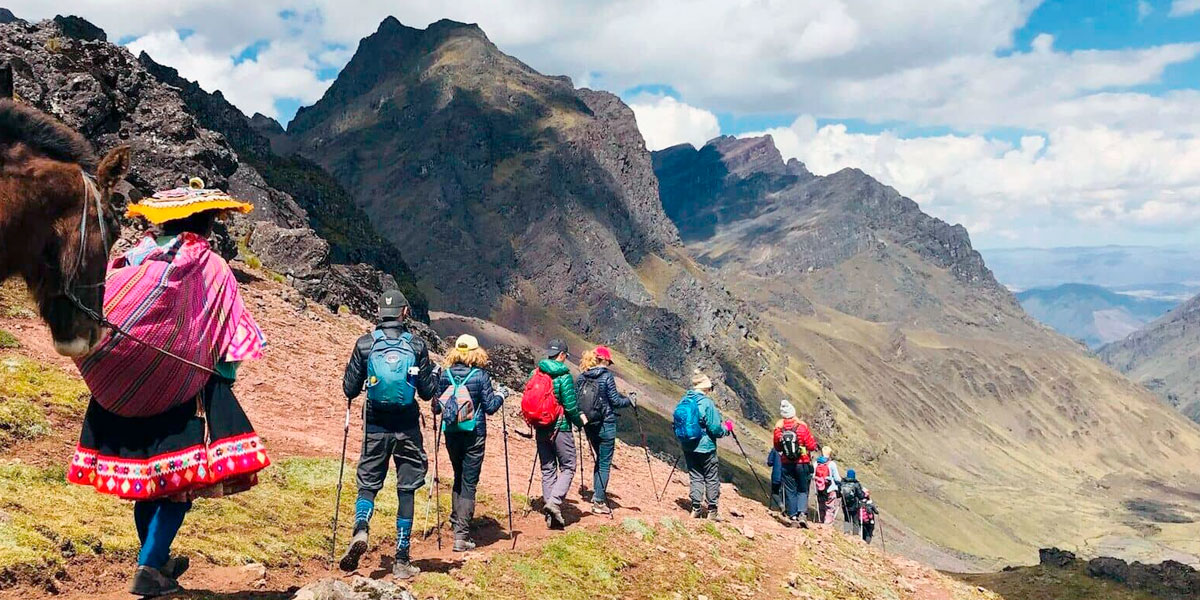
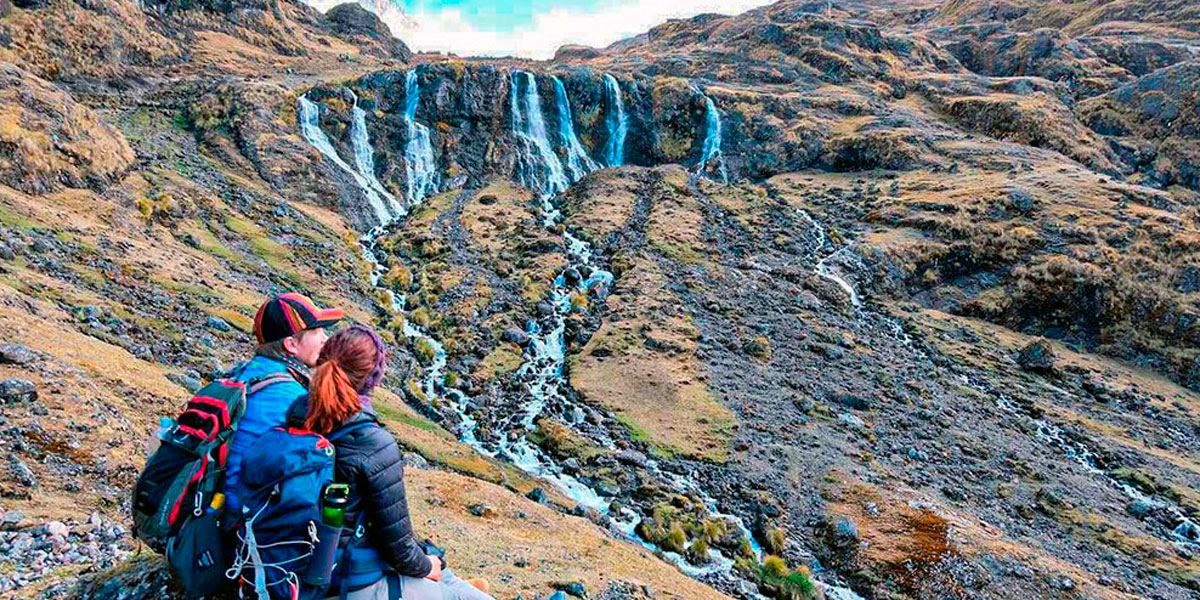
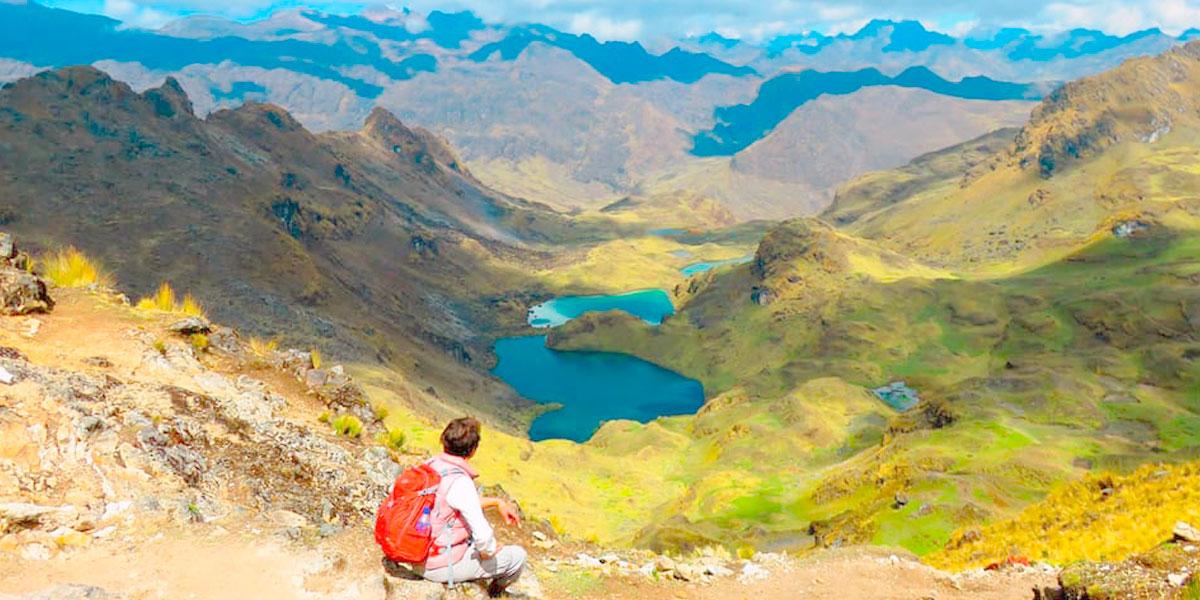
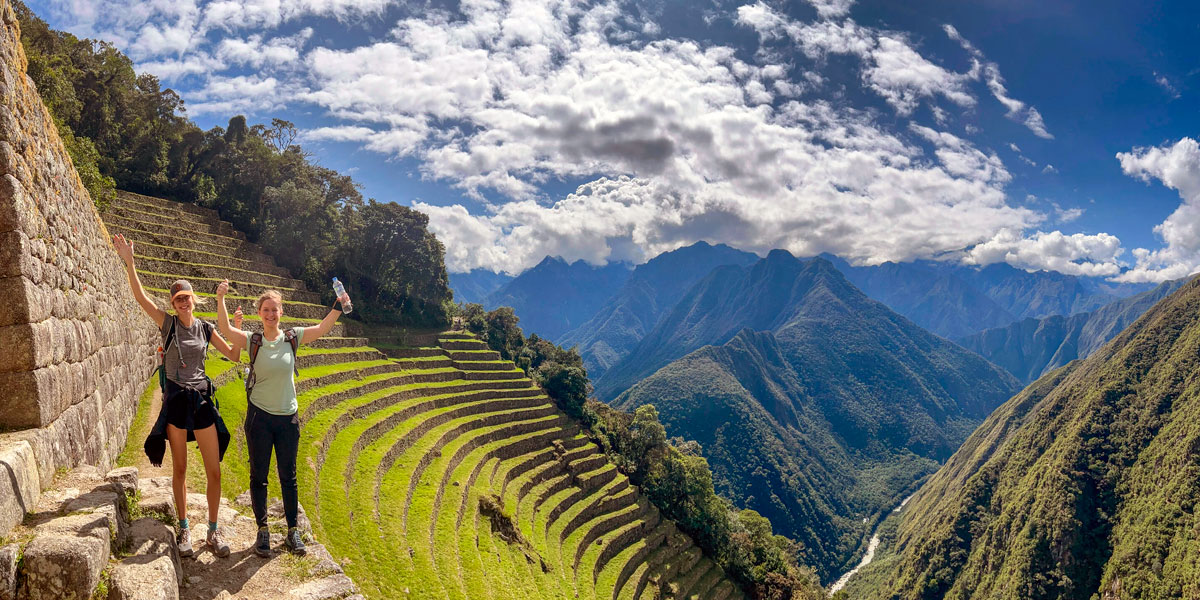


 We prioritize your space and comfort throughout the camping portion of your journey: