Friday, 24 August, 2018 | Blog, Inca Trail Blog | Comments Off on Is the Inca Trail to Machu Picchu Dangerous?
If you’re an adventure seeker looking for a thrilling hiking adventure that weaves through ancient ruins, then the Inca Trail to Machu Picchu is undoubtedly on your bucket list. As stunning as this trail is, many people have concerns about its safety. In this section, we will examine whether the Inca Trail to Machu Picchu is dangerous and what to expect on this iconic journey.
Key Takeaways:
Discover the safety measures in place to ensure a secure hiking adventure.
Learn about the challenges and risks associated with the trail.
Understand the importance of proper preparation and planning for the journey.
Gain insights into the ancient ruins and history of the Inca civilization.
Explore the stunning landscapes and natural beauty of the trail.
Planning Your Peruvian Trek: Logistics and Preparation
Embarking on a Peruvian trek is an exciting adventure that requires careful planning and preparation. At Sunrise Peru Trek Travel & Tours, we understand that organizing a trip to the Andean Mountains can be overwhelming, which is why we’re here to help you every step of the way.
Choosing Your Route
The first decision you’ll need to make is which trekking route to take. The traditional Inca Trail is the most popular, but there are other options that are less crowded and equally stunning, such as the Salkantay Trek or the Lares Trek. Sunrise Peru Trek Travel & Tours can help you select the route that suits your interests and fitness level.
When to Go
The best time to embark on a Peruvian trek is during the dry season, which runs from May to September. You’ll have clearer skies and less rain, but keep in mind that these are also the busiest months. If you prefer a quieter experience, consider traveling during the shoulder season, which is from April to May and September to October.
Permits and Regulations
The Peruvian government has strict regulations in place to protect the environment and ensure the safety of hikers, including a limit of 500 people per day on the Inca Trail. This means that obtaining permits in advance is essential. Sunrise Peru Trek Travel & Tours can assist you in securing your permits and complying with all regulations.
Physical Preparation
Preparing yourself physically for a Peruvian trek is crucial. The Inca Trail involves hiking at high altitudes, which can be challenging, and requires a reasonable level of fitness. To ensure you’re adequately prepared, we recommend regular cardiovascular exercise, strength training, and altitude acclimatization.
Cultural Immersion
One of the most rewarding aspects of a Peruvian trek is the opportunity to immerse yourself in the vibrant local culture. You’ll encounter indigenous communities, learn about their traditions and customs, and witness their daily way of life. Sunrise Peru Trek Travel & Tours can guide you through these cultural experiences and ensure that you have an authentic and memorable adventure.
Exploring the Scenic Landscapes: Highlights of the Inca Trail
Embarking on the Inca Trail promises a breathtaking journey through some of the world’s most scenic landscapes. From soaring snow-capped peaks to lush cloud forests and rugged Andean valleys, the Inca Trail is a spectacular stage for adventure seekers of all levels. Here are some of the highlights that make this hiking trail a bucket list destination:
Views of Snow-Capped Mountains
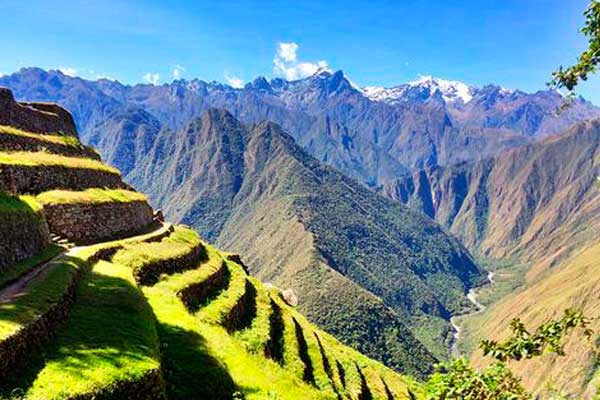
The Inca Trail rewards hikers with unparalleled views of the majestic Andean range. As you climb out of the Sacred Valley and ascend towards Dead Woman’s Pass, you’ll witness the snow-capped peaks of Veronica Mountain and Salkantay Mountain in all their glory. The sight of these towering mountains against the cloudless blue sky is nothing short of mesmerizing, providing a perfect backdrop for unforgettable photos.
After a tough day of hiking, there’s nothing better than soaking your weary muscles in a natural hot spring. Along the Inca Trail, you’ll find plenty of opportunities to relax and rejuvenate in the steaming waters of these natural wonders. Surrounded by stunning scenery, a dip in the hot springs provides a well-deserved break from the rigors of the trail.
Captivating Vistas
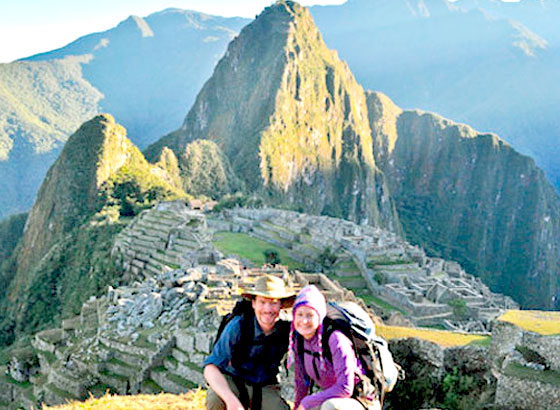
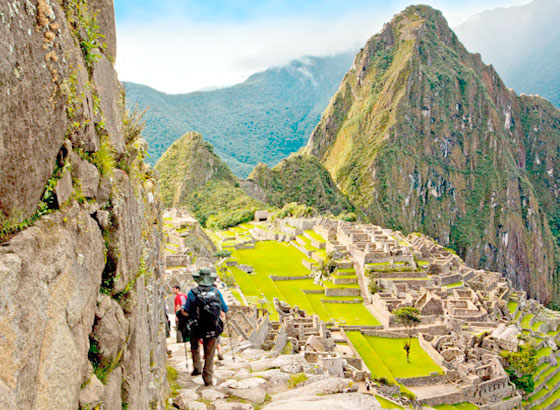
The Inca Trail offers breathtaking views at every turn, from the meandering Urubamba River to the colorful patchwork of fields that make up the Andean landscape. One of the highlights of the trail is the Sun Gate, an ancient Incan gateway that frames the first breathtaking glimpse of Machu Picchu. This iconic view is a must-see for all hikers, an experience that will be etched in your memory forever.
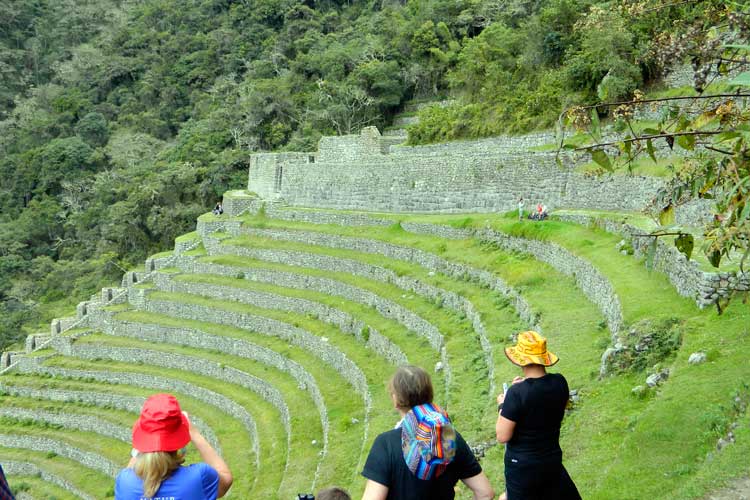
Inca Terraces
The Incan civilization was renowned for its agricultural practices, and the Inca Trail is dotted with terraces that showcase their remarkable expertise. These stunning structures cling to steep mountainsides and valleys, providing a glimpse into the ingenuity and resourcefulness of the Inca culture. Walking among these ancient terraces is one of the many highlights of the Inca Trail, providing a tangible connection to the past.
All in all, the Inca Trail is one of the world’s most scenic hiking trails, boasting unforgettable views, natural wonders, and captivating vistas that will take your breath away.
Unveiling the Mysteries: Ancient Ruins on the Inca Trail
Embarking on the Inca Trail is like taking a journey through time, weaving past stunning natural wonders to the heart of an extraordinary civilization. Along the way, we will encounter several ancient ruins that stand as testament to the incredible Inca civilization.
The ruins serve as a time capsule, evoking a sense of the history and significance of this remarkable civilization. As we uncover the mysteries that surround each site, we’ll get a glimpse of the secrets they hold and the insights they provide into the fascinating Inca culture.
Name of Ruin
Description
Significance
Machu Picchu
Machu Picchu is one of the most recognizable Inca ruins, set in a stunning location in the Andean mountains.
The significance of Machu Picchu derives from the unique architecture that blends seamlessly with the natural environment. The site was also a key center for learning, with scholars believed to have been educated at the Temple of the Sun.
Wiñay Wayna
Wiñay Wayna is a fascinating ruin consisting of several living quarters, storage houses, and temples.
The significance of this site lies in its perfect symmetry and its impressive terraces that reveal advanced ingenuity in agricultural techniques.
Sayacmarca
Sayacmarca is one of the most intricate sites and is believed to have been a resting place for Inca leaders.
The significance of this site is the incredible architecture, featuring narrow walkways, a complex aqueduct system, and hidden chambers that suggest religious and ceremonial rituals.
Exploring the ancient ruins on the Inca Trail offers an unparalleled, emotive journey through history. It’s an experience that expertly melds natural beauty with cultural immersion, leaving us with a deep appreciation for the heritage of the Inca civilization.
Challenges and Rewards: What to Expect on the Inca Trail
The Inca Trail offers some of the most awe-inspiring scenery and cultural riches in the world. But let’s be real, it’s not for the faint of heart. The physical demands and potential difficulties that hikers face on the trail are worth it, though, especially when traveling with Sunrise Peru Trek Travel & Tours.
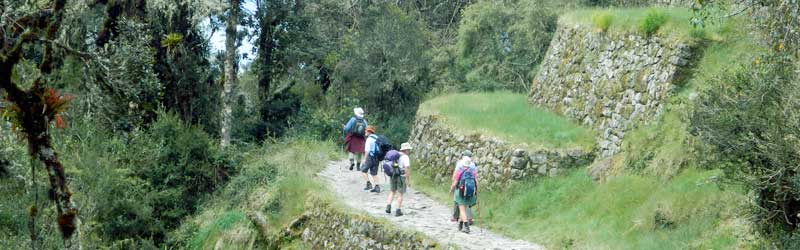
Firstly, the trail is not easy, and it is not uncommon for hikers to feel fatigue and altitude sickness. The path is steep and rocky, and the high altitude can make breathing difficult. It’s crucial to consider your physical ability and health before embarking on the trek. That being said, with proper preparation, training, and pacing, reaching Machu Picchu at sunrise is an undeniably magical experience.
When you book with Sunrise Peru Trek, you’ll have experienced guides who are well-versed in the trail, its challenges, and how to manage them. They can provide tips on how to properly acclimate to the altitude, help you pace yourself, and offer support along the way.
Challenges
Rewards
Steep and rocky
Breathtaking views and scenery
High altitude
Immersive cultural experiences
Physical exhaustion
Unique insights into the Inca civilization
Despite the challenges, the rewards of embarking on the Inca Trail are immeasurable. The sense of accomplishment and pride you feel after completing the trek is unparalleled. And the unique experiences you’ll have along the way – from meeting local villagers to learning about the Inca civilization – will stay with you for a lifetime.
When you choose Sunrise Peru Trek Travel & Tours, you’re setting yourself up for success on the trail. With our experienced guides, top-notch equipment, and excellent reputation, you can rest assured that you’re in good hands every step of the way. So come prepared for the challenges, and be ready to experience the ultimate reward.
Conclusion
After exploring the safety aspects, logistics, highlights, and challenges of the Inca Trail, we can confidently say that this ancient hiking trail is a must-do for any adventure enthusiast. The breathtaking scenic landscapes, captivating ancient ruins, and cultural experiences make this trek an unforgettable journey that will stay with you for a lifetime.
It is important to note that embarking on the Inca Trail requires proper preparation and physical fitness. Despite its challenges, the journey is well worth it and offers a unique glimpse into the vibrant heritage of the Inca civilization.
At Sunrise Peru Trek Travel & Tours, we take pride in providing our clients with an exceptional experience that is both safe and rewarding. We believe in responsible tourism and strive to preserve the natural beauty and cultural heritage of Peru.
In conclusion, if you’re seeking a once-in-a-lifetime adventure that blends nature, history, and culture, look no further than the Inca Trail. Let us help you make your dream a reality and experience the magic of Peru for yourself.
The Inca Trail to Machu Picchu is considered a challenging trek, but it can be safely completed with proper preparation and guidance. It is essential to follow the instructions of experienced guides, stay hydrated, and acclimatize to the altitude. The trail is well-maintained, and the local authorities prioritize the safety of hikers. However, it is crucial to be mindful of the steep terrain and unpredictable weather conditions.
How should I plan for my Peruvian trek?
Planning for a Peruvian trek requires careful consideration of logistics and preparation. It is recommended to book your trek with a reputable tour operator, such as Andean Expedition or Sunrise Peru Trek Travel & Tours, who will handle permits, accommodations, meals, and transportation. It is also advisable to undergo physical training to build endurance, pack appropriate gear, and familiarize yourself with the local culture and customs.
What are the scenic landscapes and highlights of the Inca Trail?
The Inca Trail offers breathtaking views of the Andean mountains, lush cloud forests, and emerald-green valleys. Some of the highlights along the trail include the remarkable Wiñay Wayna ruins, the Sun Gate with its panoramic vistas of Machu Picchu, and the stunning Inti Punku, where hikers can witness an awe-inspiring sunrise over the ancient citadel.
Which ancient ruins can be found on the Inca Trail?
The Inca Trail is dotted with fascinating ancient ruins that provide insights into the Inca civilization. Some notable archaeological sites include Patallacta, Runkurakay, Sayacmarca, and Phuyupatamarca. These ruins showcase Inca architectural ingenuity and offer visitors a chance to connect with the rich history and cultural heritage of the region.
What challenges can I expect on the Inca Trail?
The Inca Trail presents physical challenges, including steep ascents and descents, high altitudes, and rugged terrains. It is important to have a reasonable level of fitness and to acclimatize to the altitude in order to reduce the risk of altitude sickness. Proper preparation, such as regular exercise and training hikes, can help mitigate these challenges. However, the rewards of conquering the trail and witnessing the majestic beauty of Machu Picchu make it all worthwhile.
Video About the Inca Trail to Machu Picchu
Brows the Inca Trail treks to Machu Picchu
Short Inca Trail
The Short Inca Trail , is perfect for trekkers who don’t want to spend much time in the mountains.
Inca Trail to Machu Picchu
Inca Trail to Machu Picchu is the best trekking In Peru. You have to experience at les once in your life.
Salkantay trek
The Salkantay trek is an alternative Trek to Machu Picchu dotted with amazing landscape.
Inca Trail to Machu Picchu is the most famous trek in Peru and one of the greatest hiking experiences in the world. This ancient stone path, built by the Incas, leads you through breathtaking Andean landscapes, lush cloud forests, and exclusive archaeological sites only accessible on foot.
During this 4-day, 3-night adventure, you’ll hike approximately 45 km (26 miles) along sacred trails once traveled by Inca royalty. The journey culminates at sunrise as you enter Machu Picchu through the Sun Gate (Inti Punku), revealing your first unforgettable view of the legendary Lost City of the Incas.
Starting and ending in Cusco, the trek is guided by experienced professionals who share the history, culture, and natural beauty of the Andes. We provide quality camping equipment, expert trail cooks, and dedicated porters who carry your gear—so you can enjoy the journey comfortably and stress-free.
Perfect for travelers seeking adventure, history, and connection, the Inca Trail to Machu Picchu is a once-in-a-lifetime experience you’ll never forget.
Important info About the 4-day Inca Trail to Machu Picchu
Overview
The 4-day Inca Trail to Machu Picchu is one of the most rewarding trekking experiences in the world, combining spectacular natural scenery with deep historical and cultural significance. Covering approximately 45 km (26 miles), this legendary route takes you through diverse landscapes, including lush cloud forests, high-altitude mountain passes, and peaceful Andean valleys.
Along the way, you’ll discover impressive Inca archaeological sites, such as the beautiful terraces of Wiñay Wayna, while enjoying breathtaking views of the surrounding Andes. Nights are spent camping beneath clear mountain skies, creating a true sense of adventure and connection to nature. Guided by experienced professionals, you’ll gain valuable insight into Inca history, traditions, and the spiritual importance of this ancient trail.
Trek Details at a Glance
Tour Type: Inspirational Adventure Trek
Total Distance: 45 km / 26 miles
Maximum Altitude: 4,200 m / 13,779 ft (Dead Woman’s Pass)
Difficulty Level: Moderate to Challenging
Accommodation: Premium camping tents
Best Season: April to September
Permits: Required – advance booking is essential
Important Tips for the Inca Trail
Book in Advance: Inca Trail permits are limited and sell out quickly, so early reservation is essential.
Prepare Physically: The trek includes steep ascents and high altitude—regular cardio and hiking practice will enhance your experience.
Acclimatize Properly: Spend at least 2–3 days in Cusco or the Sacred Valley before the trek to adjust to the altitude.
Bring the Right Gear: Comfortable hiking boots, layered clothing, and rain protection are key to staying comfortable on the trail.
Stay Hydrated & Energized: Drink plenty of water and enjoy nutritious meals to keep your energy levels high.
Take Health Precautions: Consult your doctor before traveling and carry personal medications and basic first-aid essentials.
Short Trek itinerary
Day 1: Cusco – Km 82 – Wayllabamba
Your adventure begins early in the morning with a scenic drive from Cusco to Km 82, the official starting point of the Inca Trail. From here, you’ll begin hiking through the beautiful Sacred Valley, following gentle terrain as you pass rolling hills, ancient ruins, and riverside landscapes. Keep an eye out for local wildlife and traditional Andean villages along the way. In the afternoon, you’ll arrive at Wayllabamba Village, where you’ll set up camp, acclimate to the altitude, and enjoy your first night beneath the Andean sky.
Day 2: Wayllabamba – Dead Woman’s Pass – Pacaymayo
Today is the most challenging and rewarding day of the trek. After breakfast, you’ll begin the steady ascent to Dead Woman’s Pass (Warmiwañusca), the highest point on the Inca Trail. Reaching the summit is an incredible achievement, rewarded with sweeping views of the surrounding mountains. After celebrating your accomplishment, you’ll descend into the peaceful Pacaymayo Valley, where you’ll enjoy a warm meal, rest your legs, and recharge for the journey ahead.
Day 3: Pacaymayo – Wiñay Wayna
This day is rich in history and scenery. You’ll hike along original Inca stone paths, climbing and descending through changing ecosystems while exploring remarkable archaeological sites hidden in the mountains. By afternoon, you’ll reach Wiñay Wayna, one of the most beautiful ruins on the trail. Take time to explore this spectacular site before enjoying a special farewell dinner, celebrating the journey and the unforgettable landscapes you’ve experienced.
Day 4: Wiñay Wayna – Sun Gate – Machu Picchu – Cusco
Before dawn, you’ll set out toward the legendary Sun Gate (Inti Punku). As the sun rises, you’ll witness your first breathtaking view of Machu Picchu, just as the Incas once did. After descending into the citadel, enjoy a guided tour of Machu Picchu, learning about its history, architecture, and mysteries. Later, you’ll have free time to explore on your own before traveling by bus to Aguas Calientes and returning to Cusco by train, bringing your unforgettable adventure to a close.
This 4-day Inca Trail trek offers the perfect balance of challenge, culture, and natural beauty—culminating in one of the most iconic sights in the world. A truly life-changing journey to Machu Picchu.
Highlights
Inca Trail Highlights
A Legendary Adventure to Machu Picchu
Walk Through Living History
Experience the world-famous 4-day Inca Trail to Machu Picchu, one of the most iconic treks on the planet. This ancient route leads you through the heart of the former Inca Empire, offering a rare and powerful connection to the civilization that built these remarkable paths high in the Andes.
Breathtaking Andean Landscapes
Journey through an ever-changing natural wonderland of snow-capped peaks, lush cloud forests, and scenic valleys. Along the trail, you’ll encounter diverse wildlife and native plants, creating an immersive experience where nature surrounds you at every step.
Remarkable Archaeological Sites
Discover extraordinary Inca ruins hidden deep in the mountains, including sacred sites accessible only on foot. With knowledgeable guides bringing history to life, you’ll gain insight into Inca engineering, astronomy, and spiritual traditions as you explore these ancient treasures.
A Rewarding Trekking Challenge
Covering 45 km (26 miles), the Inca Trail offers a perfect balance of challenge and reward. Steep ascents, stone staircases, and panoramic viewpoints test your endurance while delivering unforgettable views and a true sense of accomplishment.
More Than a Hike—A Life-Changing Journey
The Inca Trail is not just about reaching Machu Picchu—it’s about the journey itself. Share unforgettable moments with fellow travelers, push your limits, and experience the pride of completing one of the world’s greatest treks. The memories and connections you make will stay with you long after you return home.
Full Itinerary
DETAILED ITINERARY FOR 4-DAY INCA TRAIL TO MACHU PICCHU
The Complete Itinerary is a guideline and may be subject to change. About the Campsites: The Campsites along the 4-day Inca Trail to Machu Picchu can vary depending on booking dates, weather conditions, or safety restrictions imposed by the Peruvian Government.
DAY 1: FIRST WALKING DAY – DRIVE FROM CUSCO TO PISQHACUCHO AND TREK TO WAYLLABAMBA
Start your adventure with a 5:30 am pickup from your Cusco hotel in a private van. Our initial destination is Pisqhakucho (Kilometer 82), the starting point of the iconic Inca Trail to Machu Picchu. Before reaching KM82, we’ll stop for breakfast in Ollantaytambo around 7:30 am (breakfast not included). Once at KM82, there will be time to prepare for the hike—use the facilities, apply sunscreen, and pack insect repellent. Porters will take charge of your duffel bag, leaving you to carry a lightweight daypack with only your essentials. Ensure your passport and student ID are easily accessible, as our guide will manage permits and tickets for the group at the checkpoint.
The trek officially begins at an altitude of 2,720m (8,923ft), following the Vilcanota River. This first day serves as an introduction, with mostly “Inca-flat” terrain providing a relatively easy warm-up. Along the way, you’ll encounter awe-inspiring landmarks such as the ancient Willcaraccay Fortress, the Patallacta ruins, the Urubamba Mountain range, and the towering Veronica Peak, which soars to 5,750m (19,225ft).
After approximately three hours of walking, we reach Llactapata, an impressive archaeological site featuring terraced fields and important structures that likely housed the region’s “Curaca,” a local representative of the Inca ruler. Following a brief exploration, we continue for another thirty minutes to our lunch spot. Around midday, enjoy a gourmet lunch at Hatunchaca, a perfect opportunity to recharge.
Post-lunch, the trail leads us through increasingly lush terrain. After an additional hour of trekking, we arrive at our first campsite in Wayllabamba, situated at 3,000m (9,842ft) amidst a temperate valley. Nighttime temperatures can drop to 5ºC or lower, especially during the dry season (May through September), so be prepared for chilly weather. Upon arrival, you’ll be greeted with warming afternoon tea and appetizers before settling into your pre-set tents. Dinner will be served under the star-filled Andean sky, bringing a serene close to your first day on the trail.
Trekking Facts:
Meals included: L – D.
Accommodation: Double occupancy camping tent.
Maximum Altitude: 3,000m /9800ft. The camp.
Minimum Altitude: 2,720m/8,923ft. starting point.
Distance Travelled: 11 km/6ml.
Approximate walking time: 6 -7 hours.
DAY 2: DEAD WOMAN’S PASS – TREK FROM WAYLLABAMBA TO PAQAYMAYU
Your porters will warmly greet you at 6:00 am with a comforting cup of coca tea to help you gear up for the day’s challenge. After a hearty breakfast, we’ll commence the trek, which is often regarded as the most demanding day of the hike. The journey begins with a steady ascent through the Corralpunku Valley, climbing towards the Llulluchayoc Zone. Here, you’ll have the chance to observe a variety of Andean bird species, including hummingbirds, falcons, and black-chested buzzard eagles. With luck, we might even spot the majestic Andean Condor soaring above.
The trail then transitions into a picturesque cloud forest adorned with polylepis trees (known locally as Qeuñas and Chachacomos) and Puna region grasslands, home to wildlife such as tarucas (Andean deer) and the elusive puma. After an arduous 4-hour hike, we’ll pause at Llulluchapampa (3,780m / 12,402 ft) for a well-deserved Peruvian gourmet lunch. This locale offers breathtaking mountain vistas and tranquil surroundings—a perfect place to recharge before tackling the climb ahead.
After lunch, we tackle the most challenging segment of the day—a 2-3 hour trek to the summit of Warmiwañusca, or Dead Woman’s Pass, which towers at an impressive 13,828 feet (4,215 meters). The ascent demands determination as we climb steep stone steps, but the effort is rewarded with awe-inspiring views of surrounding snow-capped peaks, including Apu Huayanay. At the summit, you’ll experience a profound sense of accomplishment and the spiritual energy of this sacred place. We’ll take a moment for a group photo and a brief rest before starting our descent.
The trail descending into the Pacaymayo Valley is steep yet stunning, with dramatic vistas of cascading waterfalls and lush valleys. The descent takes approximately 2-3 hours, after which we’ll reach our campsite for the evening. This site is well-equipped, featuring two toilet blocks and breathtaking views of nearby waterfalls and distant peaks. After setting up camp, you’ll enjoy a relaxing teatime followed by a buffet-style dinner prepared by our talented chefs, providing a satisfying conclusion to an exhilarating day.
Trekking Facts:
Meals included: B – L – D.
Accommodation: Double occupancy camping tent.
Maximum Altitude: 4,200m/13977ft. Dead woman’s pass
Minimum Altitude: 3,600m /11811ft. Camping site
Distance Travelled: 12 km/7 miles.
Approximate walking time: 7 – 8 hours – Included breaks.
DAY 3.- BRILLIANT DAY: TREK FROM PACAYMAYO TO WIÑAYHUAYNA
Start your day with a hearty breakfast at 6:00 am before embarking on an exciting climb from Pacaymayo camp. In roughly an hour, you’ll reach the intriguing Runcuracay, a fascinating circular ruin perched dramatically at the valley’s edge. This ancient rest stop for Inca messengers served as a guard post, lookout, or ritual site, offering breathtaking views from the elevated path above.
Continue climbing for another hour, navigating past tempting false summits and rugged staircases, until you conquer the second pass at Runcuracay Mountain (3,950 m). Just before reaching the top, the path meanders between two picturesque tarns, sometimes visited by Andean gulls. At this expansive saddle, soak in the spectacular landscape. On clear days, you can look back at the Warmiwañuska Pass and forward to awe-inspiring, snow-clad peaks, including the striking 6,000-m Pumasillo Mt (Puma’s Claw).
From here, your journey takes a more leisurely tone as the trail mainly descends. After a brief passage through a tunnel, your path zigzags swiftly downwards to a scenic viewpoint on a promontory. The descent eases, with the trail winding gently across the slopes. As you pass, glimpse the small, enchanting algae-covered lake, and view the remarkable Inca town of Sayacmarca. Here, delve into its history and architectural marvels, guided by engaging talks crafted to inspire and inform.
Continue your descent to Chakicocha (3,400 m), a charming campsite perfect for a relaxing break and a delicious lunch. Facilities here include toilets for your convenience. Post-lunch, you’ll experience a stunning portion of the trek along a beautifully paved stone path. Pass by the ruins of Phuyupatamarca and descend through Wiñaywayna and Intipata, with vistas over the dramatic Aobamba Valley. This part of the trail, with its exceptional stonework, remains impressively preserved through the ages.
Today’s trek is predominantly downhill and shorter than the prior day’s challenge. As you approach the enchanting Phuyupatamarca (the Town of the Clouds), you’ll pass through two natural, short tunnels. Explore these atmospheric ruins before descending around 2,000 stone steps to Wiñaywayna camp. Trekking poles are a must to ease the journey on your knees and joints. Before reaching camp, take a brief hike to explore Intipata, with its mesmerizing agricultural terraces.
By 5 pm, arrive at Wiñaywayna (2,700 m), set up your tents, and take a short walk to admire the stunning scenery and the sprawling Inca citadel, the most impressive and well-preserved site on the Inca Trail. As this camping spot can be vibrant and busy, we recommend taking extra care with your personal belongings and securing everything inside your tent at night.
End your day with a delightful teatime followed by a buffet-style dinner. Keep in mind, the longstanding hostel in Wiñaywayna is closed, showers are refreshing, and while cold beers aren’t available, the basic facilities are. It’s a great time to show gratitude for the incredible support of your porters by tipping them tonight, as they will depart early on their journey home tomorrow.
Trekking Facts:
Meals included: B – L – D.
Accommodation: Double occupancy camping tent.
Maximum Altitude: 4,000m /13123ft.Second pass
Minimum Altitude: 2,600m / 8530ft.Camping site
Distance Travelled: 17 km / 10 miles
Approximate walking time: 8 – 9 hours – Included breaks.
DAY 4.- SUN GATE – MACHU PICCHU (THE LOST CITY OF THE INCAS) – CUSCO
On the final day of our trek, we will rise at 4:00 AM, ready for our adventure. We’ll start with a hearty breakfast at 4:30 AM before proceeding to the checkpoint, keen to be among the first to embark on our trek when the gates open at 5:30 AM. After expressing our gratitude and bidding farewell to our incredible porters and chefs, we will set off towards the Sun Gate (Inti Punku).
From this vantage point, you will be greeted by breathtaking views of the majestic mountains and the iconic Machu Picchu, resplendent in its full glory. By 6:40 AM, we will arrive at the Sun Gate, followed by an hour-long trek down to the Lost City of the Incas. Enjoy the increasingly stunning views with every step closer to Machu Picchu!
By approximately 8:00 AM, we will reach the final checkpoint of Machu Picchu for an inspiring 2-3 hour guided tour. Immerse yourself in the rich history, marvel at the ancient architecture, and discover the significance of this UNESCO World Heritage Site.
After the tour, you will receive bus tickets for the journey down to Aguas Calientes, where you will have ample time to explore or even climb Huaynapicchu if desired (please arrange this in advance). Your guide will extend an invitation to join in Aguas Calientes for a memorable final lunch at a charming local restaurant. While optional, it’s a delightful way to celebrate the end of the trek and reflect on the incredible adventure.
During lunch, your guide will distribute train tickets, so ensure you collect yours if you choose to skip lunch before parting ways at Machu Picchu. Unless you’ve upgraded your train, we will arrange your travel via the Expedition class train from Aguas Calientes, departing at either 2:55 p.m. or 3:20 p.m. Be sure to arrive at the platform at least 30 minutes early.
The train ride to Ollantaytambo will take approximately 2 hours, providing a scenic and relaxing journey as you reflect on the day’s experiences. Upon arrival, our driver will welcome you and offer a comfortable ride back to Cusco in our bus, conveniently dropping you off at your hotel.
This unforgettable adventure concludes here, leaving you with cherished memories of the legendary Machu Picchu and its surrounding wonders.
Trekking Facts:
Meals included: B.
Maximum Altitude: 2,750m / 9022ft in the Sungate
Minimum Altitude: 2,400m / 7874ft. Machu Picchu
Distance Travelled: 5 km/ 2ml.
Approximate walking time: 2 hours.
Inclusions/Exclusions
4-DAY INCA TRAIL TREK TO MACHU PICCHU INCLUDES:
The Inca Trail package offers a well-rounded experience for the modern adventurer. Here are the key components:
Transport:
Day 1: Enjoy hassle-free pickup from your Cusco hotel. Our private vehicle will transport you to Pisqhakuchu (KM82), the trek’s starting point.
Day 4: Conclude your journey with a bus ride to Aguas Calientes, followed by a scenic train to Ollantaytambo, before our private transport returns you to Cusco.
Experienced Trek Guide:
Benefit from the expertise of guides who graduated from the reputable National University of San Antonio Abad of Cusco. Chosen for their professionalism, vast experience, and genuine passion for trekking, our certified guides will ensure your journey is both safe and enriching.
Camping Equipment:
We provide top-quality gear for your safety and comfort. Each trekking pair shares a spacious Eureka or Timberline tent, with a communal dining tent for meals.
Duffle Bag:
You’ll receive a duffel bag on briefing day to pack your essentials, up to 7 kg (15.4 lb), including your sleeping bag and mattress.
Medical Kit or First Aid Kit:
Our well-equipped guides are trained in first aid and undergo annual mandatory training each February. They carry comprehensive first aid kits and oxygen to handle altitude sickness and other common ailments, ensuring your safety at all times.
24/7 Customer Service:
Stay connected with our round-the-clock telephone service, providing support and answering any pre-trek queries.
Meals:
Start your trek with a morning snack and enjoy delicious lunch and dinner prepared by our chef, using fresh mountain ingredients. We accommodate dietary restrictions if informed during booking and briefing.
Water:
Hydrate with readily available boiled, filtered, and chilled water throughout your trek. Bring a camel bag or a 2-liter bottle for convenience.
Wake-Up Tea:
Kickstart your day with a warm cup of coca tea delivered to your tent, perfect for the early morning chill.
Tea Time:
Relax before dinner with tea time, featuring popcorn, cookies, coffee, hot chocolate, teas, and hot water.
Hygiene Products:
Enjoy a small towel for hand cleaning before meals, along with biodegradable soap and hand sanitizer.
Team of Porters:
Our dedicated porters carry essential gear, including personal tents, dining and cooking tents, food, water, tables, chairs, and a gas stove. Each trekker’s duffel bag, up to 7 kg, is also handled by a personal porter, accessible only at overnight camps.
Permits for the Inca Trail to Machu Picchu:
We secure all necessary permits once you provide complete information and a deposit, subject to availability. Permits are non-transferable, except for passport number updates due to renewals. Bring both old and new passports if applicable.
Entrance Ticket to Machu Picchu:
Your trek includes an entrance ticket to the renowned archaeological site.
Excluded:
BREAKFAST
Breakfast on the first morning is not included. We’ll stop in Ollantaytambo town, where you can have breakfast and purchase supplies for the trek.
MEALS
Excludes lunch in Aguas Calientes on the last day. Budget about US$10 – $25 per meal.
SLEEPING BAG
Rent a sleeping bag for US$25.00 for the entire trek. All sleeping bags are freshly cleaned before each use.
Walking Stick Lightweight Aluminum (US$10.00) – Recommended for tough hikes. Two sticks are beneficial.
Single Tent Supplement (if you prefer not to share) -A $30.00 supplement per person for a single tent.
TIPS:
Tipping is a customary and voluntary practice, fostering excellent service and positive relationships. Porters generally receive 20-30 soles per day, and guides 50-100 soles per day, depending on the level of service and group size. Show appreciation for the hard-working staff who make your Inca Trail experience unforgettable.
Packing List
Inca Trail Packing List:
Embarking on the Inca Trail is an exhilarating venture, and being well-prepared sets the stage for a memorable experience. Here’s a streamlined checklist to ensure you pack the essentials:
Recommended backpack 30
Passport and Permits: Always have your passport and entry permits for the trail and Machu Picchu. They are your adventure tickets.
Trekking Poles: Opt for poles with rubber tips. They offer extra stability and ease the pressure on your knees.
Durable Hiking Boots: Waterproof, well-broken-in boots are your best friends for comfort and protection.
Comfortable Clothing: Stick to layered clothing. Moisture-wicking shirts, a light fleece, and a waterproof jacket cover all temperature changes.
Warm Accessories: Pack a hat, gloves, and thermal layers. Cold mornings and evenings call for extra warmth.
Reusable Water Bottle: Hydration is key. A bottle with a built-in filter is even better.
Insect Repellent: Shield yourself from mosquitoes and bugs along the way.
Sunscreen and Sunglasses: High altitudes mean stronger UV rays. Protect your skin and eyes.
Personal Hygiene Items: Go for biodegradable soap, a toothbrush, toothpaste, and quick-dry towels.
First Aid Kit: Have basic medical supplies on hand—band-aids, antiseptic wipes, blister treatments, and personal medications.
Snacks: Energy bars, nuts, and dried fruits are perfect for a quick energy boost.
Headlamp or Flashlight: Crucial for nighttime campsite navigation.
Camera or Smartphone: Capture the stunning scenery and unforgettable moments along your journey.
Packing smart not only prepares you for any situation but also lets you fully enjoy your adventure. Keep it light—remember, you’ll be carrying your backpack. For day-to-day necessities like snacks and water, a small daypack is handy. Ready to conquer the trail? Let’s do this.
Price Info
The Inca Trail Price:
US$ 730
A minimum of 2 persons is required.
Based on Double Accommodation
Price for Solo Traveller: US$…..
Required Pre-Payment:US$200.00 Per Person ___________________________ Balance (CUSCO):US$530 (Commonly paid in Cusco after the briefing).
Additional/Extras NOT Included (Need to book in Advance):
Machu Picchu Mountain climbing: USD 65.00
Huayna Picchu Mountain climbing: USD 65.00
Vistadome Train Aguas Calientes-Cusco: USD35.00
Extra Night in Aguas Calientes: Depends on the type of Hotel desired.
Optional Extras:
Sleeping Bag US$25
A pair of walking Poles US$10
Inflatable Mattress US$20
Single Tent Supplement US$ 30 /3-nights
PRIVATE INCA TRAIL PRICES
2 Person US$ 1150 pp.
3 Person US$ 950 pp.
4 Person US$ 850 pp.
5 Person US$ 730 pp.
Essential Information
ESSENTIAL INFORMATION ABOUT THE 4-DAY INCA TRAIL TO MACHU PICCHU.
THE BRIEFING:
Get ready for an unforgettable adventure! Your Inca Trail to Machu Picchu briefing happens a day before the hike. We will meet at your hotel or our office at 6:30 PM, as confirmed in your email. This is your chance to ask questions and ensure you have the right gear, all checked by our expert guide.
HOTEL PICKUPS:
We’ve made starting your Inca Trail trek as smooth as possible. Our team will collect you from your hotel within Cusco city limits early in the morning. Staying outside the pickup zone? No problem, we can arrange a central meeting point. Just provide your hotel details at least 48 hours before the trek begins.
STORE MY LUGGAGE:
Travel light with our convenient luggage storage service. On your departure day, we safely store any luggage you won’t need on the trail. Enjoy your trek without worrying about your belongings – they’ll be waiting for you when you return.
TRANSPORTATION:
Comfort and ease mark your journey to the trailhead. Our private vehicles will take you from Cusco to Km82. Post-trek, enjoy a scenic train ride back to Ollantaytambo and then a private vehicle transfer to your hotel. Focus on the adventure, while we handle the logistics.
THE INCA TRAIL ACCOMMODATIONS:
Experience comfort in the wilderness. Our premium tents, with ample space for two, ensure a good night’s rest after a day of trekking. Benefit from our fully equipped kitchen and dining area with comfortable seating. We handle the logistics so you can fully immerse yourself in the trek.
Indulge in a relaxing stay after your trek. Our tents come equipped with sleeping mats and pillows to guarantee a restful night. We understand the importance of comfort, especially after an exhilarating day of exploration.
MEALS:companions
Nourishment is key on the Inca Trail. Enjoy a complete meal plan with breakfast, lunch, dinner, and snacks. Our chefs craft a diverse menu, catering to various dietary needs while showcasing Peruvian flavors. Meals are communal, fostering connections under the Andean sky. Unlimited purified water and traditional beverages ensure you stay hydrated. This culinary journey is bound to be a highlight.
THE DUFFLE BAGS:
Our duffel bags are your perfect travel companion. Delivered during your briefing, these bags are carried by our dedicated porters. Spacious (66 cm x36 cm) with a7kg weight limit, they accommodate all essentials. Pack 4kg for clothes and items, and allocate for your sleeping bag and pad.
DIFFICULTY:
The Inca Trail trek is a moderate to challenging hike with altitudes up to 4,200 meters (13,780 feet). While physical fitness helps, acclimatizing in Cusco before the trek is recommended. The trail is well-maintained, and our guides are there to support you. Take your time; it’s about the journey and the breathtaking views along the way.
PREPARATION:
Start your preparation early. Regular exercise like running, swimming, or cycling builds stamina. Strengthen your legs and core with targeted exercises. Invest in quality trekking gear: sturdy boots, breathable clothing, a rain jacket, a sun hat, and a good backpack. Pack a personal first aid kit, sunscreen, insect repellent, and a refillable water bottle. Proper preparation enhances your trek experience.
ABOUT ALTITUDE SICKNESS:
Altitude sickness (AMS) can be a concern above 2,500 meters (8,202 feet). Symptoms include headache, dizziness, and nausea. Mitigate risks by ascending slowly, staying hydrated, eating well, and resting. If symptoms persist, descending is the best remedy. Consult a healthcare professional before taking any medication.
BEST TIME TO HIKE THE INCA TRAIL:
The best time to hike the Inca Trail is during the dry season (May to September). Expect clear, sunny days and panoramic views. This is also peak tourist season, so trails can be busy. For a quieter experience with some rain, consider April or October. Note: The Inca Trail is closed for maintenance every February. Always check local weather and trail conditions before you go.
INCA TRAIL PERMITS:
Obtaining a permit is essential. Permits are regulated to protect the trail’s integrity and are released annually. They sell out quickly, especially for peak seasons, so book months in advance through an authorized tour operator. The permit requires your passport, and it must match on the day of the trek.
TRAVEL INSURANCE:
Ensure you have travel insurance that covers high-altitude trekking. Your policy should include emergency evacuation and coverage for trip cancellations, delays, and baggage issues. A reliable insurance policy is vital for a safe and secure adventure.
Travel Information
The Inca Trail to Machu Picchu Travel Guide
The Inca Trail to Machu Picchu is a famous hike that takes adventurers to the stunning ancient site of Machu Picchu in Peru. Covering about 26 miles (45 kilometers), this trail combines natural beauty, rich history, and cultural importance. You’ll experience different environments, from deserts to lush cloud forests. Along the way, you’ll see several Inca ruins, showing the legacy of an ancient civilization. The hike is tough, but seeing the sunrise over Machu Picchu from the Sun Gate is worth it.
Location
Located in the Andes mountains, the Inca Trail goes through Peru’s Cusco Region, known for its beautiful scenery and rich history. The trek ends at Machu Picchu, which overlooks the Urubamba River valley. The closest big city is Cusco, a lively place with lots of Incan history and a common starting point for hikers. From Cusco, adventurers begin their journey, surrounded by beautiful landscapes, local culture, and ancient history, making the trip not just a hike but an exploration of history and nature.
History
Called Camino Inca in Spanish, this historic path was important for the Incas, stretching about 42 kilometers from the Sacred Valley to Machu Picchu. It was part of the Inca Road system, which helped with communication, trade, and moving troops across the Andes. The trail was well built, showing the Incas’ engineering skills, and blends with the natural landscape. Rediscovered in the 20th century, the Inca Trail is now a popular hiking route, letting adventurers walk where ancient people once did, while enjoying history and amazing views. This connection to the past makes the hike special, as hikers experience not just the views but the legacy of a civilization that thrived in these mountains.
Weather
The weather on the Inca Trail is diverse, affected by different elevations and geography. The dry season, from May to September, has less rain and clearer skies, making it popular for hiking. The wet season, from November to March, brings more rain, which makes the scenery lush and beautiful. Daytime temperatures are usually between 20-25°C (68-77°F), comfortable for hiking, but at night, they can drop to -1 to 7°C (30-45°F). It’s important to pack layers to handle the temperature changes, making the hike safer and more enjoyable.
Elevation Gain
The trek on the Inca Trail is a challenge, starting at 2,600 meters (8,530 feet) high. Hikers ascend to “Dead Woman’s Pass,” at 4,200 meters (13,780 feet). This gain of about 1,600 meters (5,250 feet) is not just a physical test but also a rewarding experience, offering great views of the Andes. As hikers climb, they feel the effects of altitude, highlighting the need for acclimatization and preparation for this memorable journey.
The Inca Trail Length
The Inca Trail, about 26 miles (45 kilometers) long, usually takes four days and three nights to complete. The trek combines the Andean landscape’s beauty with the history of the Incas. Each step offers a new view, from cloud forests to dry plains, enhancing the hike. Hikers see amazing Inca ruins like Wiñay Wayna and Phuyupatamarca, each with its own story. This adventure not only tests the body but also connects hikers with history and culture, making it an unforgettable journey.
Flora and Fauna
The Inca Trail travels through different ecosystems, home to many plant and animal species. Hikers might see orchids in the moist areas, ancient Polylepis trees with twisted trunks, and the impressive Puya Raimondii, a plant that blooms only once. Birdwatchers can spot giant hummingbirds, Andean guans, and condors. Mammals include the Andean fox and spectacled bear, highlighting the trail’s biodiversity. This array of wildlife and plants turns the hike into an ecological journey, enriching each step.
Comparison with Other Treks
The Inca Trail is special for its mix of natural beauty and history, with Inca ruins telling ancient stories. Other routes, like the Salkantay and Lares treks, offer great views but less historical depth. These treks have fewer people, providing a peaceful nature experience, but can be physically harder due to tough terrain and elevation. The Salkantay trek has views of Salkantay Mountain, while the Lares trek shows local culture and remote villages. Yet, none match the historical charm of the Inca Trail. For those wanting a journey that blends nature exploration with history, the Inca Trail is unmatched.
The Highest Point of the Inca Trail: Dead Woman’s Pass (Warmiwañusca) at 4,215 meters (13,828 feet)
The climb up to Dead Woman’s Pass is tough but gives stunning views as a reward. As hikers approach, the thin air reminds them of the height, urging them to take it slow. Standing there, hikers see the Andes stretching far, a moment of triumph and awe. Mist-covered peaks add drama to the view, highlighting nature’s beauty. Here, hikers feel a sense of accomplishment that lasts beyond the journey, making it a key highlight of the Inca Trail.
The Inca Trail Stairs: Formidable Staircase Near the Sun Gate
These ancient stairs carved into the mountain are a showcase of Inca engineering. Each step challenges your resolve and takes you through history. As you climb, you eagerly await the sight of Machu Picchu at dawn, when the sun lights up the citadel, revealing its architecture amid morning mist. This magical view makes the tough climb worth it, capturing the spirit of the journey. The Inca Trail is not just a hike but a uniquely physical and spiritual experience through diverse landscapes, showing Peru’s incredible biodiversity. Enjoy the beauty and challenge of this iconic trek, where each step brings you closer to ancient wonders.
FAQ
INCA TRAIL TO MACHU PICCHU FAQ:
What is the Inca Trail?
Prepare yourself for an unforgettable adventure on the Inca Trail, a legendary route that leads you to the ancient wonder of Machu Picchu. Celebrated for its panoramic views and rich archaeological heritage, this 26-mile trek is your gateway to the heart of Peru’s history. You’ll journey through breathtaking mountain landscapes and dense cloud forests, exploring fascinating Inca ruins that pepper the trail. It’s an experience crafted for those yearning for an adventure steeped in history and natural splendor.
How difficult is the trek?
Challenge yourself with the Inca Trail, known for its demanding hikes and high-altitude adventures. This trek tests your stamina and grit, rewarding every step with awe-inspiring scenery and a deep dive into the region’s cultural legacy. As your enthusiastic guide on this journey, we recommend prior acclimatization and some physical prep to make the most of this exhilarating trek. Many travelers find that the effort more than pays off as they immerse themselves in an unforgettable narrative woven into every step of the trail.
What should I pack for the trek?
Packing smartly is key to enjoying your Inca Trail adventure comfortably. Ensure you have sturdy hiking boots and versatile clothing for the shifting temperatures. A high-grade sleeping bag and a reliable water purification system are must-haves. Tuck ample snacks and a compact daypack with room for personal items and a camera into your hiking kit. Capture the breathtaking vistas and memories that will last a lifetime.
When is the best time to hike the Inca Trail?
To get the best out of your trek, plan your trip between May and September, when the dry season offers clear skies and comfortable temperatures. It’s a popular time, so make those reservations early to secure your spot on this incredible journey. Experience the Inca Trail at its finest during these months, when nature and history join forces to create an unforgettable adventure.
Do I need a permit to hike the Inca Trail?
Absolutely yes! Permits are essential when hiking the Inca Trail due to its status as a UNESCO World Heritage site. With a limited number of permits issued daily, it’s crucial to book months in advance. This ensures you’re all set to embark on this transformative journey, secure in your exploration of one of the world’s most iconic treks.
What are the highlights of the Inca Trail?
Embark on a journey where extraordinary beauty meets profound history. The Inca Trail offers numerous highlights, including the majestic Sun Gate, or Inti Punku, offering stunning sunrise views of Machu Picchu. You’ll also explore ancient sites like Wiñay Wayna, showcasing terraced fields and masterful stonework. Diverse ecosystems along the trail—from lush cloud forests to striking high-altitude passes—provide unique encounters with vibrant wildlife and flora, enriching your journey. Walking the Inca Trail is more than a trek; it’s a reconnection with an ancient civilization’s tapestry.
How physically demanding is the Inca Trail?
The Inca Trail is a moderately challenging trek, perfect for those with a sense of adventure and a moderate fitness level. Covering about 26 miles (42 km), it includes steep climbs and descents, peaking at about 13,828 feet (4,215 meters) at Dead Woman’s Pass. Regular exercise and practice hikes will greatly enhance your comfort and enjoyment during the trek. Even seasoned hikers should be ready to embrace the trail’s altitude shifts and rustic terrain. Prepare well, and this journey will become a cherished memory, echoing with stories of ancient paths and personal triumphs.
Are there age restrictions for the trek?
While there’s no set age limit for tackling the Inca Trail, it’s crucial to recognize its demanding nature. Adventurers of all ages should ensure they’re in good health and fit enough to savor every moment of this experience. Consulting a healthcare provider is wise to tailor your preparation according to your health needs. Whether young at heart or a seasoned trekker, fitness and readiness will elevate your experience on this remarkable Andean journey.
What are the accommodation options along the trail?
Experience the essence of trekking by camping under the stars on the Inca Trail, where tents are your sanctuary amidst nature’s splendor. Set up by your tour operator, these tents offer a cozy spot after the day’s explorations. Campsites are strategically regulated to protect the environment, featuring essentials like communal dining tents to share meals and stories with fellow travelers. Opting for guided tours takes care of all logistics, letting you focus on the adventure while enjoying the shared journey. This unique camping experience adds depth and connection to your Inca Trail narrative.
Are there any safety concerns on the trek?
Safety is paramount on the Inca Trail, and while it’s a safe trek, preparation and awareness enhance your adventure. Be cautious near steep drop-offs, and prepare for rapid weather changes typical in the Andes. Wear proper footwear to ward off typical hiking injuries like blisters and sprains. Enlisting a guide or joining a group enriches your experience with shared insights and support. Follow leave-no-trace principles to preserve the beauty of this trail for future adventurers. With mindful preparation, you ensure a safe and enriching journey along this spectacular route.
Making Inca Trail Booking:
Make sure your journey of a lifetime is off to an amazing start by booking our 4-day Inca Trail Trek Group/Private service! All you have to do is fill out our “INQUIRY NOW” form and provide us with your exact departure date, personal information (name, nationality, and passport number), and a trek deposit of US$200. You can easily pay this via PayPal, and the final balance will be due two days before trek departure when you arrive in Cusco. With us taking care of all the details, you can focus on preparing for an unforgettable experience!
Photo Gallery:
Additional Info About the 4-Day Inca Trail to Machu Picchu
The 4-day Inca Trail to Machu Picchu requires a moderate level of fitness, but no prior trekking experience is necessary. Each participant will be provided with a detailed packing list to ensure they have all the essentials, including sturdy hiking boots, layers for changing temperatures, and rain protection. Porters are available to assist with carrying camping equipment and personal belongings, allowing trekkers to focus on enjoying the experience. Permits for the trail are limited to preserve its integrity, so it’s recommended to book well in advance. Along the trail, you’ll visit historical archeological sites that provide a deeper understanding of the ancient Incan civilization. The trek culminates with a sunrise view of Machu Picchu, an unforgettable moment that makes the entire journey worthwhile.
What is the Inca Trail?
What is the Inca Trail?
The Inca Trail is a renowned hiking route in Peru that leads to the ancient city of Machu Picchu, one of the most iconic archaeological sites in the world. This trail is part of an extensive network of roads built by the Incas, known as the Qhapaq Ñan, which once connected vast regions of the empire. Spanning diverse landscapes, the trail weaves through dense cloud forests, alpine tundras, and breathtaking mountain passes. Its combination of natural beauty and historical significance attracts adventurers and history enthusiasts alike, offering a truly immersive experience into the legacy of the Inca civilization.
What to Expect
What to Expect on the 4-Day Inca Trail to Machu Picchu
The 4-Day Inca Trail to Machu Picchu is an adventure full of amazing landscapes and rich history. Hikers will face tough but rewarding climbs, offering stunning views of the Andes and cloud forests. Each day brings something new, from the excitement of starting to exploring ancient Inca ruins like Wiñay Wayna. Knowledgeable guides will share interesting stories about the Inca culture and the places you visit.
As you near day four, excitement grows for the sunrise at the Sun Gate (Inti Punku), revealing Machu Picchu. The feeling of achievement on reaching this UNESCO World Heritage site is unmatched, as you stand among ancient ruins and take in the beauty around you. Get ready not just for a hike, but for an unforgettable journey through nature and history.
Why trek the Inca trail?
Why Choose the Inca Trail to Machu Picchu?
The Inca Trail is not just a hike; it is an immersive experience that combines breathtaking natural beauty with rich historical and cultural significance. Unlike other routes to Machu Picchu, the trail allows travelers to follow in the footsteps of the ancient Incas, traversing an authentic path that was once a key part of their vast network of roads. Along the way, the trail offers access to stunning vistas of the Andes, lush cloud forests, and incredible archaeological sites that can only be reached on foot. For many, the rewarding sense of accomplishment upon reaching the Sun Gate and witnessing the majestic view of Machu Picchu is unparalleled—a moment that is as much about the personal journey as it is about the destination. This unique combination of adventure, history, and natural wonder makes the Inca Trail a once-in-a-lifetime experience for travelers from around the world.
All-inclusive Tour
4-Day Inca Trail Is an All-Inclusive Trek
The 4-Day Inca Trail is an all-inclusive trek that supports you throughout. Once you start the trail, comprehensive services meet all your needs. Experienced guides share the region’s history and natural beauty.
Your trek includes delicious meals prepared by skilled chefs, catering to various diets, keeping you energized. Comfortable camping gear is provided for restful nights under the Andes’ stars. Porters carry most of your gear, letting you focus on the trek instead of logistics. This support makes the adventure hassle-free, so you can enjoy the landscapes and history. Choosing the all-inclusive package ensures a smooth, unforgettable journey to a remarkable destination.
Departure and Return
Departure and Return from/to Cusco
The journey starts in Cusco, where you’ll get a briefing about the trek, covering essential tips and last-minute questions. Transportation from Cusco to the trailhead is arranged, offering views of the stunning region.
After completing your journey and visiting Machu Picchu, you’ll have transport back to Cusco. This allows for relaxation and time to reflect on the experiences and memories from the Inca Trail. By handling all travel logistics, the service lets you focus on the journey and the incredible sights and history experienced along the way.
Important Info:
Very Important:
Booking the 4-day Inca Trail to Machu Picchu comes with a confirmation.
Provide details for all participants: passport name, number, date of birth, gender, and country, or a picture of your passport.
Bring a valid passport on the day of travel.
Note that this experience is not wheelchair accessible.
Most travelers are welcome to participate in this unforgettable adventure.
Arrangements for airport pickup and drop-off according to flight information.
A maximum of 12 travelers on this tour, operated by SUNRISE PERU TREK Travel & Tours.


 TripAdvisor