Wednesday, 6 May, 2020 | Blog, Inca Trail Blog | Comments Off on Inca Trail Tour 2021: Best 4-day Trekking to Machu Picchu
The Inca Trail to Machu Picchu by far is the best trekking destination in the word; find here all require information for the period of 2021
The Inca Trail Tour on 2021 will be more controlled by the Peruvian government due to the new system of protection the national park of Machu Picchu. The Inca Trail to Machu Picchu; Is where the majority of the Inca Trail Tours are practiced by authorized Tour operators like “SPT”; This Trail was used as a communication system for the Incas from Cusco to the sacred Inca citadel of Machu Picchu. There are different Inca trails to follow; but the one that is going to Machu Picchu, is the most famous for Inca Trail Tour and will take you from the Sacred Valley to Machu Picchu, through beautiful landscapes and different Inca archaeological sites.
The 4-day walk on the Inca Trail Trek is one of the best walks in the world for its exquisite natural beauty and its various ecological niches ranging from high deserts to tropical forests. During their empire, the Incas created a vast network of roads that crossed the Andes from Argentina to Colombia and from the coast to the Amazon jungle. The 4-day Inca Trail to Machu Picchu is a branch that goes from the Andes to the jungle.
Availability for Inca Trail to Machu Picchu
The normal departure dates for the Inca Trail to Machu Picchu are from March to January; however, the most recommended dates are from April to October, because during this time there less rain. The Inca Trail Tour has a strict limit on how many people can use it (500 person); It is like 200 tourist and three hundred of them are the guides, porters and chefs. Therefore it´s recommend to book your Inca Trail Trip as soon as possible around 6 months in advance.
Official availability for 2021,
Doue to the Pandemic most of the trips where change from 2020 to 2021 so, the probabilities for an available space are less. So that secure your tickets for the Inca Trail Tour 2021 now … The maximum number of permits for the Inca Trail is 500. Support staff is included in the five hundred, which means that around 200 permits are assigned to tourists and around 300 to tourists. cooks, porters and guides every day. The availability of the Inca trail is provided directly by the Peruvian government. “SUNRISE PERU TREK” attempts to provide truthful and accurate information, however, we do not guarantee the accuracy of the information provided by a third party.
“SUNRISE PERU TREK” declines all responsibility and excludes all responsibility for errors or inaccuracies. “SUNRISE PERU TREK” does its best to obtain permits for our clients, however permits are sold by the government on a first-come, first-served basis. The reason why permissions are limited is because of the protection of this amazing site. In 2000, the Peruvian government and the UNESCO World Heritage Site Council collaborated to develop a comprehensive plan for the protection and preservation of the Inca Trail and Machu Picchu SITE. The initiative was launched because the trail erosion was due to overuse.
How to book the a Tour for 2021?
To reserve the 4-day Inca Trail Tour to Machu Picchu, you must complete our reservation form on our secure site, by clicking RESERVE NOW on our home page or click here on the RESERVE NOW link.
Be prepared with the following information (FROM EACH PARTICIPANT in your group). Due to government requirements, no one can purchase permits for the Inca Trail to Machu Picchu, or make hotel or train reservations without the following information:
Personal information (your full name, exactly as in your passport):
The gender
Passport number
D.OB. (dd / mm / yyyy)
Nationality
Best price for the Inca Trail to Machu Picchu on 2021
USD 650 per person
Personal doorman included!
*** This price includes the additional porter who will transport your personal effects of up to 7 kilos. We will provide you a duffel bag.
DISCOUNTS
Children under 18: $ 30 USD. Send us a copy of your passport at the time of booking.
Children under 12 years: $ 40 USD. Send us a copy of your passport at the time of booking.
Group of 5 or more: $ 30 USD. You just need to book the hike together at the same time.
SUPPLEMENTS
Sleeping bag: $ 20 USD
Air mattress: $ 20 USD
Trekking poles: $ 15 USD for the entire trek.
Personal Store: $ 30 USD
Extra night in Aguas Calientes: from $ 60 USD
Wayna Picchu Mountain: $ 75 USD
Machu Picchu Mountain: $ 75 USD
Vistadome Train: $ 67
** Huayna Picchu and the Machu Picchu mountain are optional walks within the Machu Picchu citadel that do not include a guide. The climb is usually done by yourself after your visit to the citadel of Machu Picchu. If you want the additional hike to be guided, please request it in advance. There is an additional cost for this additional guided tour.
Trek Itinerary for 2021
Day 1: Car from Cusco to km 82; trek to Huayllabamba; night camp (LD)
At 5:30am you’ll be collected in your hotel in Cusco or at 7.30 am from the Sacred Valley; then with your guide, you will take a private car to km 82 (Pisqhakuchu) and start your trek to Machu Picchu. From km 82, you will follow the Urubamba river and stop at the Inca settlement of Llaqtapata, the continue for 20 minutes and stop at “Tarayoc” for lunch; the continue for 2 hours more to the camp located next to the community of Wayllabamba (Walking time: 6 -7 hours; Distance: 11 kms).
Meals included: breakfast, lunch, dinner.
Budget Accommodation: Camping
Day 2: Hike to Pacaymayu; night camp (BLD)
From Wayllabamba the path abruptly climbs up to a large pampa (meadow) below the first pass. Here will be served the lunch of today. This lunch please offers a breathtaking view of Mt. Huayanay Along the way, this narrow hanging valley is a rare Andean cloud forest that houses the “Queuña” tree. From here we continue 2 hours to the highest pass named “Warmiwañusqha” or dead woman pass at 4,200 m/ 13,977ft After the pas the path continues down for 3 hours to Pacaymayu Camp overnight. (Walking time: 7 – 8 hours; Distance: 12 kms).
Meals included: breakfast, lunch, dinner.
Budget Accommodation: Camping
Day 3: Hike to Wiñayhuayna ; night camp (BLD)
On the third day, we will hike further (17 km or 10.5 miles) and also see the most archaeological sites along the way. After an early wake up and breakfast, we will walk to the other side of the valley to reach the second pass which will take approximately 2 hours. By the Halfway we will see a small round stone building without a roof, known as Runkuracay. This building was a refuge and a checkpoint for travelers who followed the path that leads to Machu Picchu. After our history lesson here, we will continue to the second pass, Runkuracay, at 4,000 meters or 12,889 feet.
Then, we will descend for approximately 2 hours to our lunch site, stopping first at another Inca site called Sayaqmarka, translated as “City in a steep place”. Here we will see an important temple for the Salkantay mountain, which is the highest mountain in the region. Then we will arrive at our lunch site and once we are full, we will continue walking for another 4 hours until our last camp of Wiñayhuayna located at 2,650 meters or 8,694 feet. It is the last night of camping. (Walking time: 8 – 9 hours; Distance: 17 kms).
Meals included: breakfast, lunch, dinner.
Budget Accommodation: Camping
Day 4: Trekking to Machu Picchu through Inti Punku; guide tour / transportation to Aguas Calienstes and return to Cusco.
On the last day of the INca Trail Tour, normally the wake up is very early (around 3:30 am) and after breakfast, you will line up until the control opens at 5:30 am Once you passes the control, you will start the walk to Machu Picchu, which will take 2 hours a distance of 6 km; along the path that is relatively flat to Intipunku, the famous “Puerta del Sol”. Here you’ll have the first view of Machu Picchu below you and, depending on the season, you will be able to see the sunrise. From here, you need to descend to Machu Picchu, which rises to 2,400 meters or 7,874 feet, Then enjoy the tour and in the afternoon return to Cusco
When is the best time to walk the Inca Trail to Machu Picchu?
As for the weather, the most popular time to walk on the Inca Trail to Machu Picchu is during the dry season, which runs from May to October, when rainfall in the Amazon basin is at its lowest point and can pass. April and November are also great options, as you tend to make the most of both worlds when it comes to the weather and there are fewer tourists, which is always good if you ask!
Can I walk the Inca Trail to Machu Picchu alone?
No; The fact that the Inca Trail to Machu Picchu has survived hundreds of years through the seasons is a true testimony to the quality of the execution of its construction. But after Hiram Bingham discovered Machu Picchu in 1911, the reputation of the Inca Trail to Machu Picchu as a hiking destination grows a lot, and with the multitude of tourists came garbage and ultimately trail degradation. This forced the Peruvian Ministry of Culture to impose a daily restriction of 500 hikers per day on the trail, made up of 200 hikers and 300 guides / porters. Part of the restriction was that no one can hike the trail without a guide, and each hiker requires a hiking permit and an authorized travel agency.
How to buy a hiking license for the Inca Trail to Machu Pichu on 2021?
If you participate in a guided tour, your Authorized Tour Operator like “SUNRISE PERU TREK” will ask for your passport details and organize your hiking permit. Be sure to plan your trip in advance: trekking permits for the Inca Trail to Machu Picchu can be sold up to 3 or 4 months in advance. If you lose the Inca Trail Permits, then you can hike the alternative Trail to Machu Picchu like 4-DAY LARES TREK or 5-DAY SALKANTAY TREK. These trails are much less congested and you will immerse yourself in a much more culturally rich experience. You will be met in local villages along the way, dining and creating items with the locals, and overnight accommodation is a comfortable local hotel in the town of Aguas Callientes where you can enjoy a hot meal and a shower.
How should I prepare for Inca Trail to Machu Picchu?
It is very important to prepare before you trek the Inca Trail to Machu Picchu; we normally recommended walk the stairs up and down with a small bag Pak of 7 or 10 kilos to be customized to the Inca stairs. The guided tours of the Inca Trail are designed for real people, both beginners in the world of hiking and experienced adventurers. Your guides will tailor your trip to your abilities, allowing you to set the pace no matter what end of the spectrum you are on.
If you arrive in Cuzco from the lowlands and plan to walk an Inca trail to Machu Picchu, it is a good idea to take a few days to relax your legs after your flight, slowly adjusting to the altitude of the Andes. A great way to do this is to explore the history, sights, and sounds of the beautiful city of Cuzco and take a group tour for a great bike ride through the sacred valley. While in the Sacred Valley, it is worth the short walk to explore the Pisac ruins.
Accommodation on the Inca Trail to Machu Picchu
The Accommodation will be in a top-quality camping tents with thermal-rest included. If you are looking for high-class shelters along the way, you won’t find them. All those who walk the Inca Trail to the Machu Picchu camps for the 3 nights. That said, it is one of the most comfortable campsites you have ever seen.
For the Inca Trail trek the tents are fully prepared for you before your arrival to the camps. You will sleep on comfortable camping tents and only the best tents will be used. You’ll stay dry and protected from the elements, preparing for a good night’s sleep.
Food on the Inca Trail to Machu Picchu
Every day you will enjoy delicious breakfasts, lunches and dinners sitting. Your guides will satisfy all food needs and you will enjoy a variety of homemade jams, dried fruits (pineapple, banana, berries, etc.), energy bars and chocolate brownies and homemade bread. Don’t worry about the weather: if it rains, you will eat in the tent shelter:
Inca Trail Express 1 Day is a perfect adventure for travelers seeking a condensed yet remarkable experience that combines history, culture, and natural beauty. Tailored for those with limited time, this exhilarating one-day trek offers a unique opportunity to explore a portion of the legendary Inca Trail while immersed in the breathtaking landscapes of the […]
SHORT INCA TRAIL TREK AND RAINBOW MOUNTAIN adventure offers a perfect blend of history, natural beauty, and cultural immersion in Peru. The Short Inca Trail Trek provides an incredible opportunity to experience part of the legendary route to Machu Picchu, with breathtaking views and fascinating archaeological sites along the way. Meanwhile, Rainbow Mountain, with its […]
Unlock the Wonders of the Ancient Inca Empire – Go on an Unforgettable Journey with Best Inka Trail to Machu Picchu! Best Inka Trail Package.- Experience the magic of the ancient Incan Empire like never before with our 8-day Best Inka Trail excursion! This epic journey immerses you in the vibrant history and stunning landscapes […]
Unlock the Secrets of Peru’s Ancient Wonders with Our Best Inca Trail Package! Best Inca Trail Package.- Experience the journey of a lifetime with our top-rated Sacred Valley and Inca Trail to Machu Picchu 7-Day Package. This immersive adventure takes you through the heart of Peru’s breathtaking natural landscapes and ancient Inca ruins, combining the […]
INCA TRAIL MACHUPICCHU is one of the most renowned trekking routes in the world, blending breathtaking natural scenery with profound historical and cultural significance. This ancient trail, once used by the Incas, winds through lush cloud forests, sweeping mountain landscapes, and striking archaeological sites before culminating at the iconic Sun Gate of Machupicchu. For adventurers […]
INCA TRAIL HIKE PRIVATE SERVICE is an exclusive and personalized way to experience one of the most renowned treks in the world. This service is tailored to meet the individual needs and preferences of travelers, offering flexibility in itinerary, private guides, and a more intimate connection with the breathtaking scenery and rich history of the […]
Saturday, 11 April, 2020 | Blog, Inca Trail Blog, Sin categoría | Comments Off on Inca Trail Vs. Salkantay Trek: both in the National park of Machu Picchu
You don’t know which trail to Machu Picchu to hike? find here the answer and the essential information for Inca Trail Vs. Salkantay Trek
The Inca Trail and Salkantay Trek are two best treks in the region of Cusco in Peru; they run through the National park of Machu Picchu located in the southern of Peru. The 4-day Inca Trail runs through the meddle of the national park, while Salkantay Trek runs by the skirt of the National park, separated by almost 50 km, basically they are separated by the Salkantay Mountain which lies at 6,271m.
“Which of the two Treks is best for history and wildlife safari?”
This is a question that travelers often find it difficult to find an answer to. You will likely find a number of similarities and differences between the two Treks.
Machu Picchu was established in 1983 as Peru’s first national park; since then, the Inca Trail becomes more popular as a tourist TREKKING destination in Peru and south America; and has been declared a World Heritage Site. So, the entrance started to be controlled from 2010 because the quantity of visitors and the destruction of the environment; Nowadays Peruvian government allows 500 visitors per day (Approx. 200 tourist and 300 support team). So, alternative to these measures was open the Salkantay Trek and offers many more options to tourists in terms of Adventure, tourist facilities and at least access. Tourists can easily find a range of hotels of their choice, from budget to luxury, which is certainly not the case with the Inca Trail.
Trekking to Machu Picchu is a dream for many travelers, but there is more than one way to get there. The 4-day or Classic Inca trail allows hikers to walk on the Inca steps, while the more distant route from Salkantay offers solitude and wildlife. Compare your options for walking to Peru’s most famous location, distance and cost to the night options.
WALKING DISTANCES:
If you want to walk Machu Picchu but are looking for the shortest path to get there, then the Inca Trail is a winner here. You also have the short Inca Trail option.
With 42 kilometers from the starting point (kilometer 82) to Machu Picchu, the Classic Inca Trail is almost twice as short as the Salkantay Trek with 74 kilometers to cover.
THE SCENERIES AND WILDLIFE
On the Inca Trail you will cross spectacular mountain passes through misty cloud forests, passing many ancient Inca sites along the route, such as Llactapata, Sayaqmarka, Phuyupatamarca, Inti Pata, Wiñayhuayna and Inti Punku; the trail ends at Machu Picchu when you walk through the door of the sun.
While on Salkantay Trek, there are relatively few ruins, but otherwise you are rewarded with incredible mountain landscapes. You will hike higher and longer than the Inca Trail, circling the Salkantay Glacier Mountain (6,271m/22,083 feet). Unlike the Inca Trail, with its constant pedestrian traffic, this less congested route offers a good opportunity to see wild animals such as deer, chinchillas, and spectacled bears. Note that you do not arrive directly to Machu Picchu on the Salkantay Trek, but rather visit the site on the last day; you spend one night in the town of Aguas Calientes and the next day you visit Machu Picchu.
COST OF THE INCA TRAIL VS SALKANTAY
If you want to enjoy the beautiful nature of the Peruvian Andes and arrive to Machu Picchu after several days of trekking, but you are limited by money, choose the Salkantay Trek which is more economical than the Inca Trail.
In general, the Inca Trail costs around 50% more than the Salkantay Trek. The higher cost of the Inca Trail is due not only to its popularity but also to the fact that it is necessary to have more staff and porters than on the Salkantay Trek where it is possible to replace men with horses .
Tuesday, 7 April, 2020 | Blog, Inca Trail Blog | Comments Off on HOW TO BE COMFORTABLE ON THE INCA TRAIL TO MACHU PICCHU
The Inca Trail is suitable for every adventure lover. Find here how to be comfortable along the Inca Trail
To really be comfortable on the Inca Trail, you must prepare physically, mentally, and expect to endure hardship. Plans may change, food may change, weather will change, tent mates may change, equipment may break, and accidents may happen. All you can do is try to plan ahead and prepare. Keep a good attitude.
On theInca Trail to Machu Picchu, is important to be comfortable and warm in what you wear. Footwear that is waterproof, or can be waterproofed (such as leather boots) works great. Other footwear may get soaked and require extra socks to keep your feet dry. Bring a large plastic bag for your shoes so they don’t get the tent dirty or wet.
Nothing dries as quickly as you would like. You need to bring an extra pair of shoes to wear while in camp, or while your other pair is drying. Polypropylene socks dry easily and keep the moisture away. Any type of wool blend will keep your feet warmer and dryer than cotton. Warm, dry, healthy feet will improve your outlook.
In choosing outerwear like pants, shirts, sweaters, and coats, keep in mind the idea of layering. Layering allows you to put on and take off what is needed so you don’t sweat and make yourself colder. The pants that zip off into shorts are great. They save you from bringing a second pair of shorts or pants and work well during a hike. Fleece, wool, and synthetics are great in the camps.
A good waterproof top and bottom are right up there with footwear in importance. When it rains, you want to stay dry. With ponchos, rain will splash up and make you wet and miserable and cheap ponchos tear easily and prove to be quite useless. It is best to have a rain suit (parka with a hood, and pants) that you can put over clothes for protection and warmth. Go for quality.
The stones on the Inca Trail can be unpredictable. The temperature may vary from the -5°C to 26°C. There may be rain, hail, snow, clouds, or sunshine – all in a day. Snow is usual in July and august during these months the days will be hot but the nights will be very cold.
For the Inca Trail Trek we recommend you pack clothing in plastic bags to protect from the elements and treat your outerwear with water repellent. We also recommend using synthetic (Non-Cotton) fabrics. You don’t need to get the most expensive gear and clothing to have an enjoyable and comfortable experience.
Many quality items can be found at the Army Surplus store, second hand shops, or local sporting goods store. Academy Sports often has fleece and quality synthetic athletic wear on the sale rack. Have fun finding those great deals.
To sleep warm is incredibly important for comfort. As soon as the tent is set up, get your sleeping bag out of the stuff sack and spread it out. This allows the bag to regain its loft and insulate better. When you go to bed, don’t wear the socks you have been wearing all day. They have a lot of water in them and are compressed.
We provide a small pillow. The sleeping bag will come with a pad meant to insulate you from the cold ground. This is not meant for comfort. You may wake up a lot, be cramped, ache, etc. Also You may want a pair of ear plugs for snoring tents.
You don’t need to pack a bunch of extras, but a few snacks are great for Inca Trail Trek. Adding a drink mix to your treated water is very popular. Drinking water is the most important aspect of staying healthy. With climate, altitude, and increase in exercise, the body requires more water than normal. Feel free to take ibuprofen etc. for aches and pains, and we recommend Tums to help with altitude. Do not take anything else, unless it is a regular prescription.
If there is an emergency, your staff must know what kind of chemicals are in your system. Be clean! Brush your teeth. Wash your face, hands, arms, armpits, and crotch etc. Wet-wipes are great. Some hand lotion may be great for chafing areas like boot tops and under the pack strap areas. Powder is great for feet and other areas of moisture. Every little bit helps.
Do your best to plan ahead and prepare. Expect the unexpected and embrace the unknown. To be in the Inca Trail to Machu Picchu with “SUNRISE PERU TREK” is a privilege that few people have. The more comfortable you are, the more you can relax and enjoy it!…
SHORT INCA TRAIL is a popular trekking route that offers a condensed yet unforgettable experience of the original Inca Trail leading to Machu Picchu. This two-day hike is perfect for those seeking a mix of adventure, history, and nature without committing to the longer four-day trek. The path takes travelers through stunning Andean landscapes, cloud […]
Inca Trail to Machu Picchu is the most famous trek in Peru and one of the greatest hiking experiences in the world. This ancient stone path, built by the Incas, leads you through breathtaking Andean landscapes, lush cloud forests, and exclusive archaeological sites only accessible on foot. During this 4-day, 3-night adventure, you’ll hike approximately […]
INCA TRAIL TREKKING & SALKANTAY TREK is an extraordinary adventure that combines breathtaking scenery, ancient history, and physical challenge. These treks take you through the heart of the Andes Mountains in Peru, offering stunning views of towering peaks, lush cloud forests, and archaeological sites. The iconic Inca Trail leads directly to the majestic ruins of […]
Sunday, 5 April, 2020 | Blog, Inca Trail Blog | Comments Off on The Short Inca Trail to Machu Pichcu in Peru
Now you can trek to Machu Picchu without camping in the Mountains. Don’t worry if you are amateur or experienced trekker
Here you’ll find important information for the short Inca Trail to Machu Picchu. The sacred Inca Trail, two days trekking or the short 2-day trek to Machu Picchu is one fo the most beautiful, Interesting and mysterious treks in Peru, since it runs through a national park and end in the lost city of Machu Picchu; along the trail one can explore several mysterious Inca archaeological sites like Chachabamba, Wiñayhuayna and Machu Picchu itself. The Short Inca Trail to Machu Picchu is a perfect route for people with little trekking experience, for families and for groups who don’t like spend much time in the mountains but still want to see the mountain of the Andes and the cloud forest with impressive wildlife.
If you are solo traveler or couple, then you can join to a group and the cost will be less; but if you want to travel only you and your party then you can take a private tour with your own Guide which make very interesting you trip. You walk at your own pace and stop when you like.
What is the distance of the Short Inca Trail to Machu Picchu
The distance of the Short Inca Trail to Machu Picchu is 11 km / 6.7 ml from the beginning point at Chachabamba (2,150m) until Machu Picchu with one high pass at the zone of “Inti Punku” or the Sun gate (2750m); Machu Picchu Inca sanctuary is located at 2,400m.
The short Inca Trail is NOT the only trail make by the Incas, The Inca Trail in total itself is one of the nearly 45,000 km / 26,000 miles of roads that connected the vast empire of civilization, approximately from Quito in Ecuador to Santiago in Chile and to the east in Argentina. The city of Cusco was at the heart of this great empire. Many experts believe that the Incas forged the path as a sacred pilgrimage that prepared visitors to enter the mysterious Machu Picchu.
The Inca site of Wiñayhuayna at 2,600 on the Short Inca Trail to Machu Picchu
The short Inca Trail itinerary
The regular short Inca trail to Machu Picchu begins with your hotel pickup. Then travel for 1:45 hours to the train station of Ollantaytambo. The trail follows the Urubamba river/ Valley until Chachabamba knows as the km 104; here begins the walk.
Before starts to walk normally the tour guide gives you some orientation. After you walk Five minutes you’ll arrive to the Inca site of “Chachambamb”, the continue three hours walk until you arrive to the Inca site of Wiñay Wayna (Forever Young) (2600m / 8500ft). From Wiñay Wayna the trail continues to “La Puerta del Sol” or the sun gate from where you can see the lost city of Machu Picchu where the trekking adventure ends.
General Information for the Short Inca Trail to Machu picchu
SEASON FOR TREKKING: All the year round
DURATION: 2 days and 1 night. (Optional with Sacred Valley Tour)
Maximun Elevation: 2750m / 9,022ft
MINIMUM GROUP SIZE: 2 pax
TREKKING DISTANCE: 11 Km
DIFFICULTY: The short Inca Trail Trek is rated from easy to moderate
Friday, 3 April, 2020 | Blog, Inca Trail Blog | Comments Off on Altitud for Inca Trail to Machu Picchu
Explore Machu Picchu on the Inca Trail, and experience breathtaking views at the highest point of 4,200 meters above sea level. Get ready to discover an unforgettable journey!
Exploring the Inca Trail’s Mesmerizing Altitude
The Inca Trail is an iconic trek that takes you through breathtaking landscapes, meandering paths, and stunning ancient ruins. But one of its defining features is its high altitude—soaring up to 4,200 meters in some places. Anybody who embarks on this incredible journey should be prepared for the altitude. Altitude sickness is not something to be taken lightly, and many hikers find that their body takes a bit of time to adjust to the elevation. It’s important to take the necessary precautions before beginning your trek: hydrate well, rest at appropriate intervals, and hike slowly. If you experience any concerning symptoms such as dizziness or nausea, it’s best to stop and take a break.
On the Inca Trail, you’ll be rewarded with mesmerizing views of snow-capped mountains, terraced fields, and lush valleys. With an experienced guide by your side and adequate preparation in terms of altitude acclimation, you’re guaranteed to have the experience of a lifetime! From the moment you step foot onto the trail, you’ll be surrounded by history and nature—and nothing but pure magic.
What is the Altitude for Inca Trail to Machu Picchu? …Anyone can do it?
In the following lines you’ll find important information for the Inca Trail to Machu Picchu. At 2,400 meters above sea level is situated the lost city of Machu Picchu, and it is one of the lowest altitude points of the Inca Trail. The highest point is the “Abra Warmihuañusca” known as the “Dead Woman’s Pass”, which is surrounded by 4,200 meters above sea level. From where the views of the Andes are splendid.
Most of the treks to Machu Picchu start in in the city of Cusco, which is located at 3,400 meters above sea level; it is higher than Machu Picchu. Being here for at less two days before trekking to Machu Picchu helps with your acclimatization and with the climatic conditions of the Inca Trail. The altitude of the Inca Trail to Machu Picchu varies considerably; it is subject to the type of program that you’ll chose and the quantity of day that you’ll desire to walk.
The Classic Inca Trail begins at a place called “Pisqhakuchu” known as the Km 82 at 2750 meters above sea level, descends slowly in the morning before suffering the delay in Yuncachimpa at 3300 meters above sea level. Although this is an altitude high enough to cause altitude sickness, if you’ve spent several days in Cusco beforehand, everything will be fine for now.
The second day is the most difficult of the Inca Trail, because it takes place on the neck of the dead woman at 4,200 meters above sea level. It is essential that you feel the effect of altitude on sea level, as there is less oxygen supplied than you are used to. It doesn’t take long at this altitude and the rest of the day is spent going down to 3,600 meters above sea level; where you will camp in “ Pacaymayu” or continue to “Chaquicocha”; all depends your Inca Trail Permits.
From Pacaymayu the trail is long but beautiful with many photo opportunities until the last camp the normally is “Wiñayhuayna” at 2600 meters above sea level. From here the walk is easy to get at “Puerta del Sol” or the sun gate, then at Machu Picchu, where the Inca trail ends.
How does the altitude affect to hikers on the Inca Trail?
Hiking the Inca Trail to Machu Picchu is truly an incredible experience, but it’s also one that comes with its own set of challenges. One such challenge is dealing with altitude.
The Inca Trail lies at an elevation ranging from 8,000 to 13,800 feet (2,438 – 4,206 meters). This means that if you live in a place near sea level or lower elevations (like most people do), your body will have to adjust to thinner air and less oxygen when you reach higher altitudes. If you don’t take proper precautions, this can result in acute mountain sickness—also known as altitude sickness – which includes symptoms like headache, nausea/vomiting, tiredness/lack of energy and shortness of breath even when resting. To be safe while hiking the Inca Trail (and indeed any trekking route at high altitudes) it’s important for hikers to prepare for the effects of altitude by slowly acclimatizing and staying hydrated.
One-way hikers can begin preparing before they arrive in Peru is by spending time walking up hills or running on a stair-climber machine several weeks prior to their trip. That way they are already physically conditioned before hitting the trail which may help them better acclimatize during their hikes. Additionally taking several rest days during your journey allows your body time to adapt as well as giving yourself opportunity for leisure activities and exploration rather than tiring yourself out further trying keep going against the thinning airiness.
Once hikers have arrived in Peru, they should allow themselves 2–3 days for acclimation before beginning their hike on The Inca Trail since being exposed too quickly can cause issues with breathing difficulties due different levels oxygen pressure as well headaches dizziness fatigue difficulty sleeping; all common signs of Altitude Sickness. Furthermore, maintaining hydration throughout the journey either through oral consumption liquids some fruit flavored electrolytes powder sachets available drugstores help ensure sufficient fluid levels necessary sustain enough energy walk uphill longer trails preventing deadly dehydration conditions.
Similarly consuming fibers carbohydrates protein slows down absorption glucose bloodstream keeping steady blood sugar stable vital trekkers maintain adequate mileage every day. Finally carrying small bag coca leaves along handy remedy try chew spit out help fight off symptoms severity once experienced although not scientifically proven natural remedy used thousands of years native cultures South America supplement vitamin rich diet fruits vegetables nuts seeds grains fish oils preferably fresh caught items rice quinoa combination these approaches minimize risk Altitude Sickness maximize enjoyment journey creating unforgettable lifetime memories.
Wiñayhuayna – Inti Punku (Puerta del Sol) – Machu Picchu – Aguas Calientes – Ollantaytambo – Cusco
Difficulty level: easy
Maximum altitude: 2,650 m.
Minimum altitude: 2100 m.
Distance traveled: 6 km
Approximate walking time: 2 hours.
Acute Mountain Sickness – AMS
Also called acute altitude sickness, it means that the onset is sudden, it begins as something light, moderate and gradual, the symptoms are severe, just like if not treated, they worsen and can turn into an acute illness. In general, for been affected by altitude sickness, it must be higher than 2,500 meters above sea level. Therefore, while Machu Picchu is below this point, the Dead Woman’s Pass is high enough to cause symptoms of altitude sickness.
The demand for muscles depends on the level of activity, but the brain needs a large amount of oxygen (15% of the total). If the brain lacks oxygen for the speed with which it was promoted and exerted a great effort, they will have the following symptoms:
Hard to sleep.
Vertigo
tired
headache
Lack of appetite
Nausea or vomiting.
fast pulse
Difficulty breathing
Prevention
To anticipate AMS, we recommended:
Climb the mountain gradually, rest and follow the guide’s instructions; sleep at a lower height and, above all, learn to identify the first symptoms of Altitud Mountain Sickness.
See, with your doctor, there are medications that can help you with the Altitud while you are trekking.
Drink plenty of fluids, avoid alcohol, eat foods rich in carbohydrates.
Prevent and identify the MAS during the Inca Trail?
Prepare your body and physical condition in advance. If possible, quit smoking.
Remember to spend at least 2 days in a city at high altitude, before starting the Inca Trail Trek.
Drink especially liquids (3 to 4 liters per day), especially water.
Avoid taking sleeping pills.
Eat small portions of food frequently, even if you don’t have an appetite, avoid excess salt.
Friday, 6 March, 2020 | Blog, Inca Trail Blog | Comments Off on 8 Best Treks in Peru
TREKKING IN PERU – THE ULTIMATE GUIDE TO THE BEST HIKES
Peru is known globally for its picturesque mountains. Especially known to most is the mysterious Inca citadel of Machu Picchu, and a lot of people travel from all over to capture a glimpse of the world’s wonder.
However, Machu Picchu is just a small fraction of what there is to discover in Peru, with some of the most unique communities and friendly locals you will come across anywhere on the planet.
Peru is an ideal place for adventure, spiritual cleansing and cultural encounters. There are a lot of options to choose from when you are in Peru: hiking, mountaineering, hiking, rafting and jungle safari. If you wish to register for ethnic and cultural celebrations, the various lands of this country will offer you the best memories.
In recent years, Peru has become a popular trekking destination in the world. You can enjoy mild walks to the breathtaking treks in the same country. Below we are listening the five best treks in the region of Cusco in Peru, most of them are reaching to the Inca citadel of Machu Picchu.
Best for those who wants to see the Sacred Valley and Veronica Mt.
Best Trekkign in Peru
1.- Short Inca Trail
Overview
Maximum Elevation: 2750 meters. The Sun gate or “Inti Punku”
Trek Duration: 2 days / 1 night
Trek Category: Moderate
Accommodation Type: Hotel
Best Season: March to November
Trek Restrictions: No
Trek Permits: Machu Picchu National Park Entry Permit
The 2-days Short Inca Trail is one of the best short treks to Machu Picchu where you’ll hike through the lower valley accompanied by splendid views of the Mountains and the cloud forest; along the route you’ll explore mysterious Inca archaeological sites like: Chachabamba, Wiñayhuayna Inti Punku and finally you’ll arrive to Machu Picchu.
2.- Classic Inca Trail
Overview
Maximum Elevation: 4200 meters. In the Dead woman pass
Trek Duration: 4 days / 3 nights
Trek Category: Moderate
Accommodation Type: Camping tent
Best Season: March to November
Trek Restrictions: No
Trek Permits: Machu Picchu National Park Entry Permit
The 4-days Classic Inca trail is the most famous trekking destination in America; it is beautiful and most trekked routes in Peru. Many tourists visit Peru to walk the Classic Inca Trail to Machu Picchu in Cusco region to enjoy the enticing mountain views, rivers, rainforest and mysterious Inca archaeological sites.
3.- Long Inca Trail to Machu Picchu
Overview
Maximum Elevation: 5200 meters. Inca Chiriaqha pass
Trek Duration: 7 days / 6 nights
Trek Category: Moderate
Accommodation Type: Camping tent
Best Season: March to November
Trek Restrictions: No
Trek Permits: Machu Picchu National Park Entry Permit
7-days Long Inca Trail to Machu Picchu is a delightful trek in the foothills of entire Salkantay range. The trek leads you from the lush pastures to the Alpine forests. To conclude in the barren Inca citadel of Machu Picchu at 2400m. And the bonus is every corner of the route promises a majestic view of Salkantay range. This trek offers a diverse trek route where you get a chance to accumulate as many memories as you like to.
4.- Salkantay Trek
Overview
Maximum Elevation: 4600 meters. Salkantay pass
Trek Duration: 5 days / 4 nights
Trek Category: Moderate
Accommodation Type: Camping tent and Hotel
Best Season: March to November
Trek Restrictions: No
5-day Salkantay Trek is one of the popular treks around the Salkanaty Mountain. En route, you walk through the evergreen hardwood forests. Also, the humid surrounding keeps you energetic along the walk.
5.- Lares Trek
Overview
Maximum Elevation: 4600 meters. Salkantay pass
Trek Duration: 5 days / 4 nights
Trek Category: Moderate
Accommodation Type: Camping tent and Hotel
Best Season: March to November
Trek Restrictions: No
Lares Trek 4 days takes you to the typical hillside town. It is a popular and easy gateway to Machu Picchu. When walking, explore local activities related to tourism. In addition, the museum in the villages adds joy to your walk. Along the way, you pass through lush forests of rhododendrons and pine trees in an idyllic setting.
Saturday, 22 February, 2020 | Blog | Comments Off on Ausangate Mountain
Reach the highest in the Andes or choose to live your dream standing at the foot of the Ausangate Mountain (6371 m).
Ausangate Mountain of Peru is more than climbing and walking, it is a life-changing experience and some see it as a spiritual journey. Located in the southeast of the city of Cusco in Peru, this region is located in a separate world with vast glaciers, ice cascades, higher mountains, deep valleys, precarious settlements and resilient people who challenge the toughest conditions. Crossing picturesque villages, the walk is a mixture of deeply cultural and spiritual experiences and physical challenges that test your strength and endurance.
The trip to Ausangate Mountain begins with a spectacular car drive from Cusco to Tinki, after which you board the Ausangate region to reach your destination in the Andes. However, for hiking enthusiasts, there is another trek from Chilca or Qesihunu; through the medium-sized hills of Pucapunta Mountain, an ethnically diverse section of flora-rich hiking.
Trekking in the Ausangate region
Trekking to Ausangate Mountain
Ausangate 4-days trekking takes you through the right site of the Ausangate Mountain with opportunity to see different colors of lagoons and the picturesque mountain of “Vinincunca” know as the Rainbow Mountain. The adventure also takes you to the red color valley
6-days Ausangate Trek + rainbow Mountain takes you all around the massive Ausangate mountain and the picturesque Rainbow mountain, with more time to interact with lovely people along the route, you can see the rich flora and fauna on the long trail. You get the added benefit of natural acclimatization when you go up and down cliffs and valleys.
What is Ausangate Mountain?
Ausangate is a natural attraction located in the district of Ocongate, in the province of Quispicanchi, in the department of Cusco. This snow is part of the Vilcanota mountain range and, according to an ancient legend, was the brother of Salkantay.
The snowy Ausangate Mountain, is at 6,371 meters above sea level; and is considered as an Apu or a protective deity of the surrounding towns; as well as the most representative mountain in the region. Its size is such that it can be appreciated even if one is in the fortress of Sacsayhuamán, it is not in vain that it is considered the fifth highest mountain in Peru.
Trekking to Ausangate Mountain in the region of Cusco in Peru
Monday, 3 February, 2020 | Blog, Inca Trail Blog | Comments Off on INCA TRAIL TREKKING
Looking for an exhilarating Peruvian adventure? Look no further than the Inca Trail! This ancient trekking route winds its way through the Andes Mountains, past ancient Incan ruins, and culminates in the breathtaking citadel of Machu Picchu.
Key Takeaways
Experience the ancient ruins of the Incan civilization on the Inca Trail
Trek through stunning mountain scenery and picturesque valleys
Witness the awe-inspiring sunrise over the ancient citadel of Machu Picchu
Discover the rich Peruvian culture along the way
Prepare physically and mentally for the challenging terrain and altitude
The Inca Trail is not just a trekking experience – it is a journey through history, culture, and breathtaking landscapes. As we embark on this adventure, we will discover the significance of the trail for the Incan civilization and immerse ourselves in the Peruvian culture along the way.
But first, let’s take a moment to understand what makes this trek a unique and unforgettable experience!
The Significance of the Inca Trail
The Inca Trail is an ancient pilgrimage path that connects Cusco to Machu Picchu and consists of intricate stone paths and archaeological sites. The trail was once used by the Incas as a secret route to reach the sacred city. Today, it serves as a testament to the impressive engineering feats of the Incan civilization and offers a glimpse into their spiritual and ceremonial practices. The route you will take is part of the larger Qhapaq Ñan, a vast network of trails that connected the vast Andean empire of the Incas.
Peruvian Culture Along the Way
As you trek, you will encounter local communities that have lived in the region for centuries. You will witness farmers tending to their crops and sheep wandering through fields. You will also have the opportunity to interact with locals and learn about traditional Andean life. You will be able to practice your Spanish and sample regional dishes that have been passed down through generations.
The Beauty of the Andes Mountains
The Inca Trail takes you through an ever-changing landscape, replete with soaring mountains that carve through clouds and lush green valleys that hide the secrets of ancient civilizations. You will trek through breathtaking scenery that ranges from the snow-capped peaks of the Andes to the tropical cloud forests of the Amazon Basin. Each day brings new and impressive vistas that will stay with you long after the trek is done.
Trail Highlights
Inca Ruins
Best Time to Go
The Sun Gate
Wiñay Wayna
May to September
Dead Woman’s Pass
Phuyupatamarka
April and October
Inti Punku
Runkurakay
June to August
The Inca Trail is more than just a trekking adventure. It is an unforgettable journey that will transport you through time and space to a mystical realm where culture, history, and nature converge. This experience will stay with you forever.
Planning your Inca Trail Trek
Embarking on the Inca Trail trek can be a life-changing experience. To ensure you get the most out of your adventure, planning is key.
Best Time to Go:
The best time to trek the Inca Trail to Machu Picchu is during the dry season, between May to September. During this time, you’ll get to enjoy clear skies and optimal trekking conditions. However, it’s also the busiest time, so be sure to book your trek well in advance.
Required Permits:
All hikers must secure a permit to trek the Inca Trail, which limits the number of visitors per day to preserve the trail’s ecological and cultural integrity. Permits are issued on a first-come, first-served basis and must be obtained through authorized tour operators.
Be sure to pack sturdy hiking boots, rain gear, and warm layers for chilly nights. Other essentials include a backpack, water bottles, and a headlamp. Don’t forget to pack a camera to capture the stunning landscapes and ancient ruins along the way.
Planning your Inca Trail trek requires attention to detail, but it’s worth it for the once-in-a-lifetime experience of immersing yourself in the Peruvian culture and hiking in the breathtaking Andes Mountains.
The Route and Highlights
Embark on a journey through stunning mountain scenery and picturesque valleys as you follow the route of the Inca Trail. Experience firsthand the fascinating history of the Incan civilization as you pass by ancient ruins along the way. The Inca Trail trek routes through the majestic Andes Mountains, offering breathtaking views at every turn.
Highlights
Highlights of the 4-day Inca Trail to Machu Picchu include the famous archaeological sites of Runcuracay, Sayacmarca, Phuyupatamarca, and Wiñay Wayna, all of which are well-preserved and offer a glimpse into the Incan way of life. The final stop of the Inca Trail journey is, of course, the world-renowned Machu Picchu.
With its stunning natural beauty and rich cultural heritage, the Inca Trail trek is an experience of a lifetime, taking you on a journey through history and nature, all in one incredible adventure.
Machu Picchu: The Ultimate Destination
After days of trekking, the mythical city of Machu Picchu stands as the ultimate destination of the Inca Trail adventure. Listed as a UNESCO World Heritage Site, the ancient citadel serves as a testament to the remarkable engineering capabilities of the Incan civilization.
As you witness the awe-inspiring sunrise over the citadel, you’ll gain a newfound appreciation for the rich history and cultural significance of the site. In addition to the iconic Machu Picchu, the surrounding mountains and valleys provide breathtaking landscapes and photo opportunities.
“I was speechless when I arrived at Machu Picchu. It was like stepping back in time and experiencing the past firsthand. The view of the citadel is truly unforgettable, and I’ll always treasure the memories I made there.” – Maria, Inca Trail Trekker
Trekking Tips and Safety Precautions
If you want to have a memorable Inca Trail trekking experience, preparation is key. Here are some valuable tips to help you physically and mentally prepare:
Start a fitness program at least two months before your trip. Focus on cardio and endurance exercises to prepare your body for the challenging Andes Mountains terrain.
Break in your hiking boots before the trip to avoid blisters and discomfort on the trail.
Mentally prepare for the altitude, which can cause shortness of breath and fatigue. Drink plenty of water, rest often, and consider taking altitude sickness medication.
While the Inca Trail is a safe trek, there are still precautions you should take to ensure a smooth journey:
Hire a licensed tour operator to guide you on the trek. They will provide experienced guides, support staff, and emergency equipment.
Bring warm clothing, as temperatures can drop significantly at night.
Keep an eye on your surroundings and avoid walking alone, especially in the dark.
Be prepared for emergencies by carrying a basic first aid kit and knowing how to use it.
In summary, with proper physical and mental preparation, along with taking the necessary safety precautions, you can have a safe and enjoyable trekking experience on the beautiful Inca Trail in the Andes Mountains.
Peruvian Cuisine Along the Trail
One of the highlights of trekking the Inca Trail is the opportunity to indulge in the flavors of Peruvian cuisine. As we make our way through the Andes Mountains, we are treated to traditional dishes and local delicacies that immerse us in the culinary delights of the region.
Some of the must-try dishes along the trail include ceviche, a dish of fresh seafood marinated in lime juice and chili peppers, and lomo saltado, a stir-fry of beef, onions, and tomatoes served with rice and french fries. We also have the chance to try traditional Andean staples like quinoa and potatoes, prepared in a variety of delicious ways.
For those who enjoy a little heat, Peruvian cuisine delivers with its spicy aji pepper. Used in sauces and marinades, this iconic Peruvian ingredient adds a tantalizing kick to any dish.
As we sample the diverse flavors of Peruvian cuisine, we gain a deeper appreciation for the country’s rich culinary history and cultural heritage. From street food vendors to high-end restaurants, Peruvian cuisine is a highlight of any adventure along the Inca Trail.
Sustainability and Responsible Tourism
At [Company Name], we understand the importance of preserving the Inca Trail’s historic significance and protecting the natural environment while providing an unforgettable Peruvian adventure. As responsible tour operators, we are committed to sustainable tourism practices to minimize our impact on the trail and the surrounding communities.
As you trek the Inca Trail, you will notice initiatives in place to protect the area’s natural resources, including proper waste management, conservation of biodiversity, and restoration of historical sites. We support sustainable tourism by following Leave No Trace principles, reducing waste by using eco-friendly products, and supporting local communities through fair trade practices.
By choosing our sunset Peru trek travel & tours, you’ll be supporting responsible tourism efforts and joining our commitment to preserving the Inca Trail for future generations. Let’s trek the historic trail together with respect and sustainability.
Choosing the Right Tour Operator
Embarking on the Inca Trail is an experience like no other, and choosing the right tour operator can make all the difference. With so many options out there, it’s essential to research and compare different packages and services to ensure you have a reliable and knowledgeable team to enhance your Peruvian adventure.
At Sunrise Peru Trek Travel & Tours, we pride ourselves on offering personalized and high-quality experiences for our clients. Our knowledgeable guides will lead you through the breathtaking landscapes of the Andes Mountains while immersing you in the rich culture of Peru.
Our Packages and Services
Our team at Sunrise Peru Trek Travel & Tours has designed a range of packages to suit your preferences, timeline, and budget. Whether you’re looking for a short three-day trek or an extended ten-day adventure, we have you covered. Our services include:
Package
Inclusions
Price
Machu Picchu Express
4-day trekking adventure to Machu Picchu; small group with expert guide; camping and equipment; all meals
$650
Inca Trail Classic
5-day trek through the Inca Trail; small group with expert guide; camping and equipment; all meals
$980
Ultimate Inca Trail
10-day trekking adventure in Peru; small group with expert guide; camping and equipment; all meals; visits to Lima and Cusco
$1500
With our personalized service, we can also customize an itinerary to fit your exact needs, whether you want a private tour, luxury experience, or specialized activities.
Why Choose Us?
When searching for your ideal tour operator, it’s crucial to choose one with experience and expertise in the field. At Sunrise Peru Trek Travel & Tours, we have over a decade of experience in providing unforgettable experiences on the Inca Trail and throughout Peru. Our team is dedicated to ensuring your safety, comfort, and enjoyment every step of the way.
We offer competitive pricing, personalized service, and an authentic Peruvian experience that will stay with you for a lifetime. Contact us today to start planning your Peruvian adventure on the Inca Trail!
Alternative Trekking Routes
Looking to explore the Andes Mountains beyond the Inca Trail? Consider these alternative trekking routes for a unique experience off the beaten path:
Climb to the breathtaking Salkantay Mountain and discover hidden ruins along the way. This challenging route will test your physical limits while rewarding you with unparalleled views of the Peruvian landscape.
Embark on a lesser-known trek to Choquequirao, an ancient Inca city that’s only accessible by foot. With fewer crowds than Machu Picchu, this trek offers visitors a chance to discover the magic of Inca civilization in relative solitude.
Immerse yourself in traditional Andean culture on the Lares Trek, which takes you through remote villages and stunning mountain scenery. Along the way, you’ll have the opportunity to interact with locals and witness their way of life firsthand.
No matter which alternative trek you choose, you’re sure to be amazed by the beauty of the Andes Mountains and the rich culture of Peru. Step away from the crowds and discover a unique perspective on this incredible region.
Capturing Memories: Photography Tips
When embarking on the Inca Trail, you will be surrounded by breathtaking landscapes and ancient ruins that beg to be photographed. Here are some essential photography tips to help you capture your Peruvian adventure:
1. Bring the Right Gear
Ensure that you have the proper camera gear to capture the stunning scenery of the Inca Trail. A wide-angle lens is ideal for capturing the vast mountain vistas, while a zoom lens will help you get up close and personal with intricate details of ancient ruins. Don’t forget to pack extra batteries and memory cards for your camera!
2. Time of Day Matters
The best light for photography is generally early in the morning or late in the afternoon, when the sun is low in the sky and casts a warm, soft glow across the landscape. The light during midday can be harsh and unflattering, so plan your photography sessions accordingly.
3. Look for Unique Perspectives
Don’t settle for typical shots of the Inca Trail – look for unique perspectives and interesting compositions to make your photos stand out. Experiment with angles, framing and unconventional viewpoints to create a visually engaging narrative of your adventure.
4. Capture the Local Flavor
Peruvian culture is colorful and vibrant, so be sure to capture the rich local flavor in your photos. Take pictures of the mouth-watering cuisine, colorful textiles, and traditional architecture as you trek along the Inca Trail.
5. Edit with Care
Use a photo editing program to enhance your pictures, but do so with care. Avoid over-editing your images and keep the colors as true to life as possible. Remember, the goal is to capture the beauty of the Inca Trail, not to produce a heavily-filtered Instagram post.
Follow these essential photography tips to capture your Inca Trail adventure and create memories to last a lifetime!
Conclusion
As we conclude our Inca Trail trek, we cannot help but marvel at the breathtaking beauty of the Andes Mountains and the rich cultural heritage of Peru. This Peruvian adventure has been a truly transformative experience, offering an unparalleled trekking experience that is both challenging and rewarding.
The Inca Trail has taken us on a journey through time, as we witnessed the ancient ruins of the Incan civilization and explored the mythical city of Machu Picchu. It has been a trekking experience unlike any other, allowing us to immerse ourselves in the stunning landscapes and rich Peruvian culture.
We have gained so much from this incredible adventure, not only in terms of personal growth but also in our understanding of sustainable and responsible tourism. Traveling with the right tour operator, we have been able to enjoy the Inca Trail while also preserving its historic significance and protecting the natural environment.
The memories we have captured through our photographs will forever remain with us, reminding us of the beauty and wonder of this Peruvian adventure. We highly recommend the Inca Trail trekking experience to anyone seeking a challenging and unforgettable journey.
Thank you for joining us on this remarkable adventure through the Inca Trail.
FAQ
What is the Inca Trail?
The Inca Trail is a famous trekking experience in Peru that allows you to explore the ancient ruins of the Incan civilization while immersing yourself in the breathtaking beauty of the Andes Mountains. It ultimately leads to the iconic Machu Picchu.
What can I expect while exploring the Inca Trail?
Exploring the Inca Trail offers a unique opportunity to learn about the historical significance of this ancient route. You will trek through stunning landscapes and have the chance to experience the rich Peruvian culture up close.
How should I plan my Inca Trail trek?
Planning your Inca Trail trek requires careful consideration of the best time to go, obtaining the necessary permits, and packing the essential items. We provide detailed information and valuable tips to ensure you have a successful and memorable adventure.
What is the route of the Inca Trail?
The Inca Trail takes you through breathtaking mountain scenery, picturesque valleys, and past remarkable ancient Incan ruins. It offers a unique glimpse into the fascinating Incan civilization and its history.
Why is Machu Picchu considered the ultimate destination?
Machu Picchu is a mythical city and the ultimate goal of the Inca Trail trek. This UNESCO World Heritage Site is known for its incredible architecture and stunning natural surroundings. Witnessing the sunrise over the ancient citadel is an awe-inspiring experience you won’t want to miss.
What trekking tips and safety precautions should I know?
We provide valuable tips on physically and mentally preparing for the Inca Trail trek. Additionally, we outline safety precautions essential for navigating the challenging terrain of the Andes Mountains, ensuring a smooth and enjoyable journey.
What can I expect in terms of Peruvian cuisine along the trail?
As you trek along the Inca Trail, you have the opportunity to indulge in the flavors of Peruvian cuisine. Immerse yourself in the culinary delights of the region, savoring traditional dishes and sampling local delicacies.
Is sustainable tourism important on the Inca Trail?
Absolutely. The Inca Trail is a historic trail, and sustainability and responsible tourism are crucial to preserving its significance. We highlight initiatives in place to protect the trail’s history and the natural environment.
How do I choose the right tour operator for my Inca Trail adventure?
Choosing the right tour operator is vital for a successful Inca Trail experience. We provide information on different packages and services offered by tour operators, ensuring you have a reliable and knowledgeable team to enhance your trekking experience.
Are there alternative trekking routes near the Inca Trail?
Yes, there are alternative trekking routes in the vicinity of the Inca Trail. These lesser-known trails offer unique perspectives of the Andes Mountains and provide an off-the-beaten-path experience for trekking enthusiasts seeking something different.
What photography tips can help me capture the best memories?
Capturing memories of your Inca Trail adventure through photography is essential. We provide valuable tips to ensure your photographs beautifully preserve the stunning landscapes and ancient ruins you encounter along the way.
Thursday, 17 October, 2019 | Blog | Comments Off on Best Treks in Ausangate – The Ultimate Guide for Trekking in Ausangate and Rainbow Mountain in Peru
The most comprehensive hiking guide on the internet for trekking in Ausangate and Rainbow Mountain region
Ausangate is known globally for its picturesque mountains. Especially known to most is the colorful Rainbow Mountain, and a lot of people travel from all over to capture a glimpse of the world’s beautiful Mountain. However the Rainbow Mountain is just a small fraction of what there is to discover in Ausangate, with some of the most unique lodges, sacred sites and friendly locals you will come across along the trail.
The Andes is the ‘spine’ of the country, and what lies within will truly change the way you look at the culture of Peru.
For those that love adventure, the best way to explore this country is on your own two feet, by trekking in Ausanagte and the rainbow Mountain.
Ausangate offers short treks up to 2 days, medium treks up to 6days and long treks for the adventurous kind where you can be out in the wilderness for up to 10 days or more.
There are literally so many options when it comes to choosing what hike to go on, so I have put together a comprehensive, ultimate guide to treks in Ausangate and Rainbow Mountain in order to get you on your way to something amazing!
WHEN TO GO? – AUSANGATE TREKKING SEASON
That’s a very good question and there is no definite answer. Personally I prefer to hike in AUSANGATE during the dry season which starts in April and runs down to October; in this season the weather is normally clear and you’ll have the option to see the picturesque mountain.
The temperature during the dry season varies from day to night; during the day reach up to 25°C and during the night falls down to -10°C. It is very important be prepared for all kind of weather all the time since the weather in the Andes can change very rapid.
GUIDED OR INDEPENDENT – HOW TO HIKE IN AUSANGATE AND RAINBOW MOUNTAIN?
Many hikes in Ausangate require the use of guides, horses and Llamas such as Ausangate classic Trek, Ausangate circuit and Rainbow Mountain Trek due to the areas being hard to walk.
However, places such as the One day trip to Rainbow Mountain or Phacchanta lagoons do not require guides.
If a particular hike requires a guide there really is no way around it, you must use a guide and porter in order to undertake the hike.
It is best to organize your Ausangate trekking tour before you get to Peru to save time and avoid the confusion of finding a trekking company in Lima or Cusco.
Guides are awesome to trek with and are full of knowledge even though it might cost you a bit more, it is well worth it.
In my opinion it’s worth going on a guided trip when trekking in Ausangate or Rainbow Mountain.
It’s important to keep in mind too that no matter what trek you do, you’re probably going to have to get special permits from the Peruvian government.
THE BEST TREKS IN AUSANGATE AND THE RAINBOW MOUNTAIN
Ausangate offers a vast selection trekking routes to do in the Andes of Peru; I have established a list that covers the best.
Day Trip to Rainbow Mountain
2-day Rainbow Mountain Trek
3-day Ausangate and Rainbow Mountain
4-day Ausangate Trek
6-day Classic Ausangate circuit
6-day Ausangate and Rainbow Mountain
Essential information
Essential information for trekking in Ausangate
Trekking in Ausangate need not be considered risky affair as far as your health is concerned. Nevertheless, preventive measures such as a through medical checkup and inoculations before you start trekking can save you from unexpected hazards. Since the remote places of Peru are not supplied with necessities that are essential for modern medical facilities and as the rescue and evacuation are measured in days, it is imperative to make a comprehensive first aid box consisting of basic drugs and accessories as part of the paraphernalia for trekking in Ausangate region.
Travelers are requested to bring medicine prescribed by their doctor at home. Common medicine for stomach problems, headache, and malaria is available in Cusco. Medicine is usually not available in remote areas. It is so necessary medicine is advisable to carry with you. Before going to Peru, it is advised to get injections against typhoid, meningitis and hepatitis.
Altitud problem
OVERCOMING ALTITUDE PROBLEM:
This is often known as Acute Mountain Sickness (AMS), which is particularly a matter of important medical consideration while trekking in the AUSANGATE region. Altitude Sickness means the effect of altitude on those who ascend too rapidly to elevations above 3000 meters. Early mountain sickness will manifest itself in headache, nausea, shortness of breath, fatigue; etc. it can be encountered as initials of the sickness.
CAUSE/FACTOR OF ALTITUDE SICKNESS IN AUSANGATE AND RAINBOW MOUNTAIN
Less Oxygen
Low Pressure i.e. Barometric Pressure
Rapid Ascent
Possible Dehydration
Hypothermia TYPE OF ALTITUDE SICKNESS TYPES ALTITUDE SICKNESS
AMS – Acute Mountain Sickness
HAPE – High Altitude Pulmonary Edema
Hace – High Altitude Cerebral Edema
Our advice: Drink 3-4ltr of water minimum a day, don’t exhaust yourself so much and breathe deep and take rest more than usual.
DETAILS OF AUSANGATE TREKS AND RAINBOW MOUNTAIN
Trekking in Ausangate is an experience of lifetime where you’ll have the option to see the highest mountain in the region of Cusco and one of the 10 highest mountains in Peru. The trip starts and finish in the city of Cusco. The Ausangate is a picturesque Mountain located at 100km from the city of Cusco to where you can arrive by car.
Day Trip to Rainbow Mountain
The view of “VINUCUNCA”- the Rainbow Mountain – Best Treks in Ausangate
Time: 1 Day
Difficulty: Moderate
Elevation: 5020 metres
Start / Finish: the city of Cusco
Permits: Park Entrance fees
Day Trip to Rainbow Mountain is the best day trip in the city of Cusco; offers exceptional views of the Ausangate peak along with lakes and glaciers. It is a moderate day trek in the high Peruvian Andes. Instead of traveling to the more commercial Treks, trekkers often choose this itinerary to enjoy the less crowded trails. It is an excellent choice for both experienced trekkers as well as novice travelers.
The summit of Rainbow Mountain offers panoramic mountain views, including 6371m peak – Mt. Ausanagte. Many argue the view from the top of this vantage point is far better than other ones in Peru.
The Llamas and Alpacas next to the Rainbow Mountain – Best Treks in Ausangate
Time: 2 days / 1 night
Difficulty: Moderate
Elevation: 5020 meters
Start / Finish: the city of Cusco
Permits: Park Entrance fees
Accommodation: Camping tents.
2-day Rainbow Mountain Trek is a classic trekking destination, located only 100km away from the city of Cusco.
Although the 2-day Rainbow Mountain Trek is relatively short, accessible, and cheap, the trails are quieter with less number of trekkers compared to other classic trekking destinations in Ausangate.
The trek is ideal for both experienced trekkers as well as novice travel enthusiasts. This trek provides an incredible opportunity to traverse through beautiful countryside communities, diverse landscapes, eye-catching waterfalls, high Andean valleys, sacred sites, Llamas and Alpacas grazing around.
The mountain trails of 2-day Rainbow Mountain Trek also offers you a spectacular sight of the glaciers and mountains including Pucaccocha Pass (4958m), the Mountain of Ausangate (6371m) and Vinicunca Mountain (5020m).
The Mountain of Ausanagte (6371m) – Best Treks in Ausangate
Time: 3 days / 2 nights
Difficulty: Moderate
Elevation: 5020 meters
Start / Finish: the city of Cusco
Permits: Park Entrance fees
Accommodation: Camping tents
The 3-day Ausangate and Rainbow Mountain is the most popular trek in the city of Cusco in Peru; it provides a more cultural experience as the route takes you through remote areas and picturesque communities. Trekkers will sight some huge mountains including Ausangate, Payangate and “VINICUNCA”, one of the most beautiful mountains in the world.
However, the true appeal of the 3-day Ausangate and Rainbow Mountain lies in its variety. The trail makes its way up through picturesque villages and high-altitude plains with stunning views of the AUSANGATE Mt. High lakes and glacier viewpoints.
Trekking up to Pucaccocha pass at 5000m – Best Treks in Ausangate
Time: 4 days / 3 nights
Difficulty: Moderate
Elevation: 5020 meters
Start / Finish: the city of Cusco
Permits: Park Entrance fees is required
Accommodation: Camping tents.
The “4-day Ausangate Trek” is popular for its diverse vegetation and picturesque villages. The trek offers a great vantage point of Ausangate and views of the Rainbow Mountain. Despite the proximity to the high mountains, the region is as wild as any other Peruvian highlands, surrounded with tranquil rural landscape. The trek offers exposure to the Inca culture and a chance to walk past the beautiful glaciers at a low altitude.
The 4-day Ausangate Trek offers the stunning view mountains panorama. The trek is an ideal option for the one. Are you looking to explore the rich rural culture in Peru, beautiful landscape and vegetation? This is the trek for you.
Trekking in Ausangate Peru – Best Treks in Ausangate
Time: 6 days / 5 nights
Difficulty: Moderate / challenging
Elevation: 5200 meters
Start / Finish: the city of Cusco
Permits: Park Entrance fees is required
Accommodation: Camping tents.
The “6-day Classic Ausangate Circuit” is your classic camp to camp trek with stunning views of The Ausangate, “Santa Catalina”, “Payangate”, “Tres Marias”, “Condor Paso” and many other mountains.
Despite being considered as one of the moderates hikes in Peru, The trek is truly beautiful complete with farms, picturesque villages, different color of lagoons, herd of llamas and alpacas which are unique to this particular area.
6-day Ausangate and Rainbow Mountain
The first pass “Arapa” at 4958m – Best Treks in Ausangate
Time: 6 days / 5 nights
Difficulty: Moderate / challenging
Elevation: 5200 meters
Start / Finish: the city of Cusco
Permits: Park Entrance fees is required
Accommodation: Camping tents.
Wandering through the beautiful hills, the “6-day Ausangate and Rainbow Mountain” takes you to the base of Mount AUSANGATE. The trail passes through hospitable villages and picturesque valleys. The trek combines different landscapes and brings the trekkers to “VINICUNCA” or the famous Rainbow Mountain.
The trek is the perfect blend of superb natural scenery and rich cultural diversity of Ausangate region. Trekking “6-day Ausangate and Rainbow Mountain” is a spectacular, breathtaking walk that rewards trekkers in many ways.
Rainbow Mountain Trek 2 Days: Hike to the vibrant Rainbow Mountain
The Rainbow Mountain Trek is a breathtaking adventure that takes you through the stunning Andean landscapes of Peru. Spanning two days, this trek offers a unique combination of natural beauty, vibrant mountain vistas, and cultural experiences. Along the way, you’ll witness rolling red hills, crystal-clear streams, and the iconic Vinicunca, or Rainbow Mountain, known for its striking, multi-colored layers of sediment. Perfect for adventure seekers and nature lovers alike, this trek provides an unforgettable opportunity to explore one of the world’s most unique geological wonders. With manageable distances and expert-guided support, the Rainbow Mountain Trek is an ideal choice for those looking to immerse themselves in the spirit of the Andes.
The tour is guided by a professional and experienced guide who will ensure your safety and enrich your trek with insights about the area’s history, culture, and geology. Along the way, you will enjoy excellent meals prepared by a skilled mountain cook, offering a taste of authentic and nourishing cuisine to keep you energized.
For your comfort and rest, we provide top-quality camping equipment, including thermal-rest mats to ensure a cozy night under the stars. All equipment, along with your duffel bag, will be transported by horses, allowing you to fully immerse yourself in the stunning surroundings without the burden of heavy luggage. This attention to detail ensures a seamless and enjoyable experience, leaving you free to focus on the beauty and serenity of the Rainbow Mountain Trek.
Important Details About the 2-day Rainbow Mountain Trek
Overview
It is suitable for individuals with a moderate level of fitness who are comfortable with high-altitude trekking. While the trek includes manageable trails, the elevation ranges between 13,000 to 17,000 feet, which may pose a challenge for some. We recommend spending a few days acclimatizing to the altitude beforehand for the most enjoyable experience. This adventure is perfect for avid nature enthusiasts, photographers, and anyone seeking a once-in-a-lifetime excursion surrounded by breathtaking landscapes. Whether traveling solo, with friends, or as part of a group, this trek offers a rewarding and unforgettable experience.
TOUR DETAILS:
STARTING & ENDING POINT: Cusco Hotel
DURATION: 2 days / 1 night
MINIMUM PEOPLE: 2
DEPARTURE DATES: Choose the date that suits you best
TYPE OF TOUR: Cultural and Historical
TOUR TYPE: Hiking, Off-the-Beaten-Path Adventure
HIGHLIGHTS:
Breathtaking Scenery: The trail to Rainbow Mountain offers panoramic views of rugged mountain landscapes, vibrant valleys, and surreal natural colors created by mineral deposits.
Cultural Immersion: Interact with local Quechua communities along the way and learn about their traditions, lifestyle, and connection to the land.
Wildlife Encounters: Spot native animals such as llamas, alpacas, and vicuñas grazing in the high-altitude plains.
Unique Geological Features: Witness the stunning stratified colors of Rainbow Mountain, a result of millions of years of geological activity.
Personal Accomplishment: The trek’s challenging yet rewarding ascent is a test of physical and mental endurance, leaving hikers with a deep sense of achievement.
IMPORTANT TIPS FOR THE 2-DAY RAINBOW MOUNTAIN TREK
Altitude Acclimatization: Given Rainbow Mountain’s high altitude, proper acclimatization is vital to prevent altitude sickness. Spend several days in Cusco or another high-altitude area before your trek.
Proper Gear: Layer your clothing to adapt to changing temperatures. Bring a quality hiking jacket, comfortable trekking shoes, a hat, gloves, and a scarf.
Sun Protection: High-altitude UV rays are intense. Pack high SPF sunscreen, lip balm, sunglasses, and a wide-brimmed hat.
Hydration: Maintain hydration by drinking plenty of water throughout the trek. Consider bringing electrolyte tablets or rehydration salts.
Physical Preparation: Although a 2-day trek, it can be demanding. Ensure good physical fitness and engage in cardiovascular exercises in the weeks leading up to your trek.
SHORT ITINERARY
Day 1: Cusco – Alqatarwi – Surina Qocha
Depart from Cusco to Alqatarwi with a scenic 4-hour drive through the Peruvian countryside. Begin the trek with a two-hour hike to the lunch spot, followed by a 2.5-hour walk to our campsite near Rainbow Mountain.
Day 2: Surina Qocha – Rainbow Mountain – Cusco
Ascend to the breathtaking viewpoint of Rainbow Mountain at 5,020 meters above sea level. Enjoy the serenity and stunning views during the moderate climb. Reflect on the mountain’s beauty before descending for an hour to the bus stop. Return to Cusco.
Full Itinerary
TOUR ITINERARY FOR RAINBOW MOUNTAIN TREK 2-DAY TOUR
Begin your Adventure Through Stunning Andean Landscapes
Our adventure begins with an early 5:00 a.m. pick-up from your hotel in Cusco. We’ll drive for two hours to the village of Pitumarca, where we will stop for a delicious breakfast and pick up any last-minute supplies for the trek. From there, we’ll continue another hour and a half to Alqhatarwi, the starting point of our trek. Upon arrival, your guide will provide a detailed briefing on the day’s itinerary and cover essential safety information.
From Alqhatarwi, we’ll set off on an unforgettable scenic hike through the picturesque Pitumarka Valley. The route offers stunning views of the surrounding Andes, with llamas and alpacas grazing along the trail. Don’t forget your camera, as the unique rock formations along the way provide fantastic photo opportunities.
After approximately two hours of hiking, we’ll arrive at the Anantapata zone, situated at 3,700 meters above sea level, where we’ll enjoy a well-earned and hearty lunch. This break is a perfect time to relax, replenish your water supply, and prepare for the next segment of the trek. Take in the breathtaking panoramas surrounding you, as the area offers a serene atmosphere and unparalleled views of the Andes.
Following lunch, the trail steadily ascends for one hour, taking us to the Warmisaya Pass (4,985 m / 16,355 ft). At this lofty vantage point, you’ll be rewarded with mesmerizing views of the vibrant red valley and a distant yet captivating glimpse of the iconic Rainbow Mountain. The natural beauty of this area is truly awe-inspiring, as the contrasting hues of the landscape create a memorable scene. After taking time to soak in the breathtaking scenery and capture photographs, we’ll begin a descent lasting approximately 30 minutes. This will be followed by a gentle ascent for another hour, as we make our way closer to our final destination amidst the stunning Andean landscapes.
Our day concludes as we arrive at our campsite near the serene “Surina” lagoon. The tranquil surroundings of the lagoon provide a perfect backdrop to unwind and prepare for the colder nighttime temperatures. As the sun sets, the sky transforms into a canvas of vivid colors reflected on the calm waters, adding to the magical atmosphere. Here, we will enjoy a warm meal and take some time to relax under the starry Andean night, readying ourselves for another day of adventure ahead.
VERY IMPORTANT:
Please ensure that your sleeping bag is rated for temperatures as low as -10°C to ensure your comfort throughout the night. The high-altitude location and clear skies can lead to significantly cooler temperatures after sundown, even in the summer months. Proper preparation will not only keep you warm but also allow you to rest comfortably and be fully energized for the activities planned for the following day.
Trek Details:
Overnight: Surina camp
Meals: Lunch & Dinner
Accommodation: 2 people per tent
Maximum Altitude: 4,958m Ananta Pass
Distance Travelled: 4:30 hours by private car
Walking Distance: 11 km
Approximate Walking Time: 5 – 6 hours
DAY 2: SURINA CCOCHA – VINICUNCA 5,020m/16,470 ft – CUSCO
Explore Rainbow Mountain and the stunning Red Valley.
At 5:00 a.m., you’ll be gently awakened with a steaming cup of hot coca-leaf tea, brought directly to your tent. This traditional Andean drink is cherished not only for its warm, comforting qualities but also for its ability to energize and help you adjust to the high-altitude environment. Shortly afterward, our talented chef will serve a hearty breakfast, designed to provide you with the energy needed for the adventures ahead.
Soon, you’ll set off on an unforgettable trek to the iconic Rainbow Mountain and the otherworldly Red Valley. The trail will take you through breathtaking, rugged landscapes before leading you to Rainbow Mountain, where vibrant, naturally occurring stripes of color stretch across the earth like a painting. Along the way, you’ll also encounter sweeping vistas of the Andes, dotted with grazing alpacas and quaint traditional communities—a true immersion into the region’s stunning natural beauty.
From Rainbow Mountain, we continue to the remarkable Red Valley, a hidden treasure of the Andes with its unique crimson hues. Few visitors explore this lesser-known spot, offering a chance for rare solitude amidst spectacular surroundings. After taking in the beauty of these unforgettable landscapes, we’ll begin our descent. This final leg allows for reflection on the incredible sights you’ve encountered, offering a peaceful conclusion to a day of discovery. Finally, we’ll head back to Cusco, arriving by evening with memories of the Andes etched forever in your heart.
Trek Details:
Meals: Breakfast & Lunch
Maximum Altitude: 5,060m/16,470 ft
Approximate Walking Time: 2:30 hours.
Inclusions /exclusions
WHAT’S INCLUDED?
Pre-trek Briefing: A comprehensive session providing all necessary information about your trek.
Hotel Collection: On the morning of departure, you will be picked up right from your hotel.
Transport: Enjoy private car transport from Cusco to the trek’s starting point.
Entrance Fees: All required permits and entry fees are covered.
Professional Guide: Benefit from an English/Quechua/Spanish speaking guide; an additional assistant guide is provided for groups larger than eight.
Tents: Stay in accommodations designed for four people, with just two people per tent, ensuring added comfort and storage space.
Inflatable Mattress: Provided for a restful night’s sleep.
Culinary Team and Equipment: Featuring a professional cook with assistants for larger groups, delivering expertly prepared meals.
Toilet Tent: Ensures convenience in remote areas.
Meals: As outlined in the itinerary, vegetarian options are available on request. Our expert chefs combine elements of Western cuisine with traditional Peruvian flavors. Please communicate any dietary needs to your guide or cook.
Pack Horses: For transporting equipment and personal belongings, accompanied by skilled horsemen. Duffel bags are provided for carrying personal items and sleeping bags (up to 7 kg/15 lbs per person).
Emergency Horse: Available for those who feel unwell or require extra assistance.
Dining Tent: Equipped with camp tables and chairs for comfortable meal times.
Kitchen Tent: A dedicated space for meal preparation by our cook.
Staff Tents: Separate accommodations for our staff members.
First Aid Kit: Comes with an emergency oxygen bottle for peace of mind.
Private Transport: Return service taking you back to your hotel at the end of the trek.
Lunch: Included on the final day of the itinerary.
WHAT IS NOT INCLUDED?
Breakfast on the First Morning: Participants are encouraged to have breakfast before departure.
Dinner on the Last Night: Participants are responsible for arranging their dinner.
Sleeping Bags: Available for rent if you do not own one or prefer not to bring one to Peru.
Tips: Gratuities for your guide, cook, and porters are not included.
Packing List
ESSENTIAL GEAR FOR YOUR ADVENTURE:
Compact 25-liter backpack with a rain cover for Peru’s lush landscapes.
Extra wool hiking socks for dry and cozy trekking.
Trekking and waterproof rain pants for varied climates on Incan paths.
Cozy running shoes for camp comfort in the Andes.
Camping pillow for restful sleep under the stars.
Water-resistant hiking shoes for rugged terrains.
Thermal wear, fleece, hat, and gloves for cool mountain air.
Trusty poncho for sudden Highland showers.
Versatile synthetic or cotton clothing for all-day exploration.
Stylish sunhats and sunglasses for sunny surroundings.
Quality sun cream for high-altitude rays.
Hydrating lip balm for dry conditions.
Camera with extra batteries for capturing moments.
Water bottles for adventure hydration.
Basic medications to stay healthy.
Hiking sticks for guidance over trails.
Personal items for a unique experience.
Cash for memorable souvenirs.
Our Recommendations
Trekking to Rainbow Mountain: Key Tips
Planning a trek to Rainbow Mountain in Peru? Here are essential tips for a safe and enjoyable journey.
Acclimatize to Cusco’s altitude by spending a few days there before your trek. Get rest and avoid late-night activities before we pick you up at 6:30 am. If you experience altitude sickness, descend immediately.
Don’t miss the viewpoint for a stunning 360° view of the mountain, glacier, and valley. If visiting Machu Picchu first, book your return train early to avoid issues.
During the rainy season, avoid afternoon tours due to lightning risks. Pack warm clothes and coca leaves for higher, colder elevations.
At SUNRISE PERU TREK Travel & Tours, we aim for your positive experience. We hope these tips make your Rainbow Mountain adventure unforgettable!
Travel Guide
Explore the Rainbow Mountain Trek
Embark on a breathtaking adventure with the Rainbow Mountain trek, also known as Vinicunca, nestled in the awe-inspiring Peruvian Andes. This natural wonder boasts a mesmerizing tapestry of colors, thanks to the erosion of sedimentary mineral layers. Imagine hues of lavender, gold, turquoise, and maroon sweeping across the slopes, as if painted by nature itself. This journey promises an exhilarating challenge and a rare glimpse of nature’s artistry that leaves every hiker spellbound.
Location
Nestled in the serene Ausangate mountain range, Rainbow Mountain awaits you, just 100 kilometers southeast of Cusco. This tranquil corner of the Vilcanota Mountain Range, with its untouched beauty, sits at over 5,200 meters in altitude. Its remote and extraordinary setting provides a unique thrill for those looking to experience the vivid charm of Rainbow Mountain on a once-in-a-lifetime trek.
Discovery
Rainbow Mountain’s captivating history is as vivid as its landscape. Hidden under layers of ice and snow for generations, its colorful ridges emerged following recent climate shifts. Revealed a little over a decade ago, these vibrant, mineral-rich streaks quickly captured global attention. The Quechua named it Vinicunca, or ‘Seven-Color Mountain,’ inspired by its spectacular bands of color. Today, thousands of adventurers flock to marvel at this wonder, drawn by its unique beauty and the challenge of the ascent.
Getting There
Your journey begins in Cusco, the gateway for most travelers. From there, choose a comfortable 3-hour drive to Pitumarca, followed by a scenic 2-hour journey to the trailhead, or opt for an adventurous 3-day trek from the city. For an enriched experience, guided tours and shuttle services are highly recommended, especially for newcomers. The trek itself spans 3 to 4 invigorating hours, so it’s crucial to spend a couple of days acclimatizing in Cusco to gently adapt to the altitude. Remember to pack wisely—bring water, snacks, warm clothing, sunscreen, and gear for unpredictable weather. Though challenging, the striking view awaiting you at Rainbow Mountain makes it a rewarding endeavor.
Weather Conditions
At Rainbow Mountain, expect weather as diverse as its colors! From May to September, the skies are usually clear and the trails are easier to navigate in dry conditions. Nights, however, can be quite chilly. The rainy season, spanning October to April, brings frequent showers and mist, challenging your trekking skills and sometimes obscuring the view. No matter when you visit, dressing in layers and carrying rain gear is essential for a comfortable experience, enhancing the wonder of your adventure.
Temperature
Prepare for a dramatic dance of temperatures at Rainbow Mountain. By day, the dry season can see warmth reaching 20 degrees Celsius (68 degrees Fahrenheit). Yet, as dusk falls, expect the chill to dip below freezing. During the rainy season, the mercury swings between 7 degrees Celsius (45 degrees Fahrenheit) and -5 degrees Celsius (23 degrees Fahrenheit). Packing for both warmth and cold ensures you’re ready for any weather and can fully savor the experience.
Best Time to Visit
For the best trekking conditions and unobstructed views, plan your trip from May to September. This period promises stable weather and easier trails, enhancing your adventure with bright days and starry nights. Yet, if you’re braving the rainy season from October to April, be prepared for a wet and muddy path, and possible reduced visibility due to cloud cover. Whatever your choice, stay equipped for the myriad weather changes to maximize your trek.
Activities
When visiting Rainbow Mountain, adventure awaits in all its forms. The iconic trek presents a perfect blend of exertion and visual splendor, perfect for the spirited explorer. Nature lovers will delight in bird watching within this thriving ecosystem, home to a kaleidoscope of avian species. Photographers, both amateur and professional, find endless inspiration in the mountain’s colors and surrounding landscapes. Plus, immerse yourself in the local culture by meeting indigenous communities and taking home authentic handicrafts. A journey to Rainbow Mountain not only captivates your senses but also enriches your cultural understanding.
Culinary Delights
The flavors of Rainbow Mountain offer an immersive journey into traditional Peruvian cuisine. Indulge in dishes that celebrate local ingredients, like hearty corn, potatoes, and savory meats. Taste the unique Cuy, or enjoy a comforting bowl of quinoa soup. Complement your meal with Chicha Morada or the local brew, Cusqueña. Always embrace and respect the local customs, enhancing your culinary journey.
Biodiversity
Rainbow Mountain isn’t just about landscapes—it’s a sanctuary of biodiversity. Among its high-altitude ecosystems, encounter unique wildlife like the fine-wooled vicuñas or gaze skyward at the majestic Andean condor. Discover flora like the towering Puya Raimondii and vibrant cantua flowers amidst this rugged terrain. This tapestry of life reflects nature’s resilience, offering an enriching exploration for avid nature enthusiasts.
Safety Measures
Safety is paramount as you embark on your Rainbow Mountain expedition. Acclimatizing in Cusco is crucial to acclimate to the high altitude and reduce the risk of altitude sickness. Bring essentials like sunscreen and sunglasses to shield against the sun’s intensity. Dress in layers to manage the unpredictable climate and ensure you are well-hydrated. Stick to marked trails to protect the fragile ecosystem and ensure your safety. Remember, a responsible journey heightens your experience and creates memories that last a lifetime.
Ready for a journey of a lifetime? Secure your spot now and be part of the captivating trek to Rainbow Mountain, where mesmerizing landscapes and cultural riches await. Adventure calls—are you ready to answer?
For those planning the 2-Day Rainbow Mountain Trek, it is important to prepare adequately for the high-altitude conditions. The trek reaches elevations over 16,000 feet above sea level, which may pose challenges such as altitude sickness. Travelers should ensure they are well-acclimatized before starting the hike and stay hydrated throughout the journey. It is also advisable to pack warm clothing, as temperatures can drop significantly, especially at night. Comfortable, sturdy footwear is essential for navigating the uneven and sometimes steep terrain. Hiring a knowledgeable guide can enhance the experience, providing insights into the region’s history, geology, and culture while ensuring safety along the way.
What is the Rainbow Mountain and Red Valley?
Rainbow Mountain, known locally as Vinicunca, is a stunning natural landmark located in the Peruvian Andes. Its vibrant, multicolored stripes are the result of mineral deposits in the soil, creating hues of red, yellow, green, and lavender that stretch across its towering face. This geological wonder has become an iconic destination for adventurers seeking to experience the dramatic beauty of high-altitude landscapes.
The nearby Red Valley, another awe-inspiring site, is characterized by its rich, deep red terrain. This unique area owes its coloring to the high concentration of iron oxide in the soil. The valley is less crowded than Rainbow Mountain, offering a tranquil and equally mesmerizing complement to the main attraction. Together, Rainbow Mountain and the Red Valley showcase the extraordinary natural artistry of Peru’s Andean region, providing visitors with an unforgettable connection to the land.
All-Inclusive Tour
All-Inclusive Tour
Enjoy peace of mind and dive into the vibrant landscapes of Rainbow Mountain with SUNRISE PERU TREK’s all-inclusive packages. From the moment you book, we take care of everything—transport, meals crafted by skilled chefs, and logistics—ensuring a seamless experience. Our knowledgeable guides not only lead the way but also enrich your adventure with fascinating stories about the region’s cultural heritage and natural history. With top-tier camping equipment, including reliable tents and cozy sleeping bags, you can rest comfortably under the stars. Health and safety are at the forefront of our operations, with protocols for first aid and altitude acclimatization meticulously adhered to, so you can focus on the adventure that awaits.
Accommodation
Where to Stay?
When planning an adventure in the great outdoors, choosing the right accommodation can significantly enhance the experience. To ensure comfort and convenience, we will provide top-quality camping tents, each designed to accommodate two people comfortably. These tents are crafted from durable materials, offering excellent weather resistance while ensuring breathable interiors that provide a pleasant night’s sleep. Equipped with user-friendly setup features, our tents promise a quick and hassle-free assembly process. Set amidst picturesque natural landscapes, our camping sites provide easy access to essential facilities and stunning views, ensuring a memorable and immersive outdoor experience.
Physical Fitness
Physical Fitness for Rainbow Mountain Trek
Curious about the fitness level needed for this trek? It’s all part of the adventure! Expect about 6-7 hours of enjoyable activity each day, as you navigate moderate trails that rarely exceed 5,020 meters in elevation. The path may challenge you with long, arduous ascents and descents, crossing varied terrain from beaten earth to icy rocks. Each day unfolds with post-breakfast ascents and descents of over 500 meters, with a well-deserved pause for a hearty lunch, before continuing to the campsite.
Trekking Seasons
Trekking Seasons for Rainbow Mountain
Peru offers two main seasons: the dry season, from April to September, which is ideal for trekking, and the rainy season, from November to April. During the advantageous dry months, expect predominantly dry conditions, although high passes may be graced with snow, adding a magical touch. Daytime delights with temperatures around 20-25°C, but at night, as you nestle into your tent, temperatures can drop to between 0 and -10°C. Meanwhile, lower regions enjoy more moderate temperatures, with a noticeably cooler atmosphere at night.
A Trekking Day
Trekking Day for Rainbow Mountain
The day begins at the thrilling hour of 6:00 a.m., starting with a welcoming cup of tea. Early risers are invited to organize their trekking essentials into a duffel bag and a daypack. After a hearty breakfast, the journey kicks off at about 7:00 a.m. The morning trek is our time to shine, thriving on fresh energy. Around 12:30 p.m., we pause for a leisurely group lunch, offering time to admire your surroundings or take a break. After about an hour of rest, we continue, with plans to reach camp between 3:00 and 4:00 p.m. The afternoon offers more relaxed hiking, with potential for engaging activities orchestrated by our seasoned guides. Throughout the trek, opportunities abound to pause, relax, or enjoy the scenery.
Travel Insurance
Travel Insurance
Your adventure deserves security, from unexpected travel disruptions to on-the-go mishaps. That’s why travel insurance is an essential companion for your journey in Peru, especially with limited direct flight connectivity. Ensure that your policy covers all activities, including the exhilarating treks, so you can explore with confidence and peace of mind.
Acute Mountain Sickness (AMS)
Acute Mountain Sickness (AMS)
While the thrill of high altitudes beckons, it’s important to be aware of Acute Mountain Sickness (AMS), common among those who haven’t acclimatized properly. The thinning air at elevations above 3,000 meters can lead to symptoms such as nausea, fatigue, and shortness of breath. Our trek is thoughtfully structured to help you adjust to higher altitudes gradually, and precautionary measures are in place for maximum safety. Our staff is equipped with mobile communication to swiftly address any emergent situations. With SUNRISE PERU TREK, your well-being is our utmost priority.
The Mountain Colors
Discover the Colors of the Peruvian Andes
Mother Nature’s art gallery—there’s no better way to describe the Peruvian Andes, with their dazzling, rainbow-hued peaks capturing the hearts of adventurers everywhere. But what gives Rainbow Mountain its incredible palette?
The vibrant layers you see are the result of millions of years of geological processes, where weather, minerals, and the earth’s shaping forces have joined to create this stunning spectacle. As you trek through these awe-inspiring landscapes, reflect on the ancient history that brought forth the kaleidoscope of reds, yellows, and greens. It’s a visual feast that promises an unforgettable journey!
FAQ
FAQs About the 2-day Rainbow Mountain Trek
How long does the Rainbow Mountain trek take?
The Rainbow Mountain trek is typically completed over 2 days.
Why are the Peruvian Andes a must-see destination?
The Peruvian Andes boast colorful peaks and breathtaking landscapes, establishing them as a natural wonder and a must-visit destination.
Where is Vinicunca, also known as Rainbow Mountain, located?
Vinicunca, commonly referred to as Rainbow Mountain, is situated in the Peruvian Andes.
What geological formations contribute to the vibrant colors of Rainbow Mountain?
The vibrant colors of Rainbow Mountain arise from distinctive geological formations.
What tips and preparations are essential for the Rainbow Mountain trek?
Physical preparation, appropriate gear, and altitude acclimatization are essential before undertaking the Rainbow Mountain trek.
Can you provide photography tips for capturing the vivid colors of Rainbow Mountain?
Certainly, we offer tips and techniques for capturing the stunning beauty of Rainbow Mountain during your trek in the Peruvian Andes.
What insights can you share about Andean culture in the Peruvian Andes?
The Peruvian Andes provide a chance to immerse yourself in rich Andean culture, explore local communities, and experience their unique way of life.
Are there additional attractions worth exploring in the Peruvian Andes?
Yes, besides Rainbow Mountain, other attractions like the Ausangate Trek are worth exploring in the Peruvian Andes.
Why is the Rainbow Mountain trek considered an unforgettable adventure?
The Rainbow Mountain trek offers an awe-inspiring experience, combining natural beauty, geological wonders, and cultural immersion, making it truly unforgettable.
Thursday, 3 October, 2019 | Blog, Inca Trail Blog | Comments Off on Inca Trail Trek to Machu Picchu: The best Trekking destination in Peru
The Inca Train Trek to Machu Picchu offers short treks up to 2 days, medium treks up to 4 days and long treks for up to 7 days or more.
Inca Trail Trek is known globally for its picturesque mountains and its mysterious Inca archaeological sites. Especially known to most is the Iconic Machu Picchu, known as the wonder of the world.
Every people who has walked the four days Inca Trail to Machu Picchu said that it’s amazing the views of the surrounding mountain, the flora and fauna are incredible and the history of the Inca ruins are just wonderful. In general the experience of the Inca Trail is unforgettable especially when you reach to Machu Picchu though the “INTI PUNKU” or the sun gate.
What is really the Inca Trail Trek?
The Inca Trail Trek is an adventure trip through the ancient route that links the city of Cusco with Machu Picchu.
The trail was built during the Inca emperor of “Pachukutec” during the Inca Imperial time (XV – XVI century).
The Inca trail trek offers unique adventure experience walking through an outstanding mountain scenery and beautiful cloud forest region.
For several years the Inca Trail Trek becomes the favorite destination for adventure and nature lovers.
The Trek takes you to walk on a well maintained stone paved trail, from the beginning until the end the trail was built with white granite stone blocks.
To trek the Inca Trail is very important to be well acclimatized to high altitudes, because the route runes over three high passes, the higest of which arrive up to 4,200m / 13779 fts.
Is it worth to do it the Inca Trail Trek?
Many people from all over the world dream to hike the Inca trail Trek and explore the Iconic Machu Picchu at least one time in their life.
The walk through the Inca Trail makes visiting this inaccessible places a difficult but memorable adventure.
Once in the Inca Trail, the tourist will be practically alone with the wonderful nature and mysterious archaeological site.
All of tourists in the world who walked the Inca Trail agree that it was worth it to do the Inca Trail Trek.
Where is the Inca Trail Trek?
It is located in the southeast of the Peruvian Andes; it runs through the national park of Machu Picchu, at 100 km from the city of Cusco in Peru.
The Inca Trail Trek fluctuates in between the altitudes of 2000masl to 4200masl.
The Inca Trail Trek begins in the Andes at an altitude of 2,750masl and ends where the Amazon Jungle begins at an altitude of 2,400amsl.
How is the architecture of the Inca Trail Trek?
The architecture of the Inca trail Trek is paved with white granite stone blocks. There are many tunnels and stairways ups and downs.
There are several Inca ruins like small towns, terraces, temples, lodges, astronomical observatories, palaces and aqueducts; all of them where built with white granite stones.
Some of the buildings offer simple architecture but other ones offers top quality architecture where the stone block where set up without any type of mortars.
What to see when one walks the Inca Trail Trek?
The Trip takes normally four days and every day one can see different types of Mountain scenery; from Andes to high Andean valleys and the cloud forest where the biodiversity are very variable.
Along the Inca Trail Trek exists several Inca sites which ones you can visit and learn the history from your tour Guide.
The Trail offers great quantity of flowers, orchids, birds, hummingbirds and several species of animals.
At the end you’ll explore the Iconic Machu Picchu in all its majesty.
What is the walk really like of the Inca Trail Trek?
The walking the Inca trail to Machu Picchu is like walk in the park; it offers every day different type of landscapes. From high Andean valley to mountains and from Andes to tropical zones; the trekking with a tour guide is normally slowly stopping several times for photo opportunities and for seeing the flowers and birds. Along the Inca Trail there are many Inca archaeological sites where you’ll stop and explore with your guide.
Every day you’ll walk for about 6 -7 hours except the last day you’ll walk only two hours; the porters normally will load most of the camping equipment you’ll walk with your small backpack and your camera taking pictures. At the time that you arrive to the camp your tent will be waiting already setup and half hour after you’ll have a hot drink (coffee, tea, etc.). Your dinner normally is served at 7:00pm after that you’ll go to sleep until 6:00am when the porters will give you the wakeup call.
Most popular points on the Inca Trail Trek
The most popular points of the Inca Trail are described doe to the important or the mandatory stops for trekkers.
The KM82.- This is the beginning point of the Inca Trail where every traveller need to show the Inca trail permits en the entrance to Machu Picchu. It is located at 2750masl.
Mesqhay.- very interesting viewpoint from where you can visualize one of the higest mountina of the region name “La Veronica” at 5750masl.
Llactapata.- It is the first big Inca town located at 2680masl; it is surrounded by several Inca terraces, control points and religious sites.
Uncahuayco.- A beautiful valley with the presence of Qeuña native trip which give to travellers the opportunity to see great variety of birds and hummingbirds.
Abra Warmiwañusqha.- It is the highest pass located at 4,200masl; from where you’ll be rewarded by splendid views. Most of the trekkers say that to get this point is the most difficult part of the Inca Trail.
Runkuraqhay.- A beautiful round shaped built situated on the site of the Mountain on the way to the second pass. It is located at 3,800masl.
Sayacmarka.- Great Inca site located exactly in the limit of the Andes and the Amazon jungle, from this point one can visualize the both regions.
Phuyupatamarka.- A wonderful Inca religious site and a great viewpoint from where you can see the Urubamba canyon, and the mountains of Machu Picchu and Huaynapicchu.
Machu Picchu.- The best highlight of the Inca trail. You’ll walk four days dreaming to see Machu Picchu known as the lost city of The Incas.
How much does it really cost to go to Inca Trail Trek?
There are different prices for the Inca Trail Trek; it is very important to see what is included and is Not included in the program. You should know that only authorized travel agencies like “Sunrise Peru Trek” can take tourist to the Inca Trail to Machu Picchu.
The cost varies from US$ 500 per person up to over US$1000 per person in the price normally are Included the trekking permits, entrance fees, food, camping equipment, porters and guides.
Can I do the Inca Trail Trek without a tour?
No, nobody can walk the Inca Trail to Machu Picchu without authorized travel company. In the pass it was allowed but now it is controlled strictly because the free walkers generate destruction and damages of the ecology. Since the year 2000 the control over the Inca trail is managed by the Government. It is allowed only 500 trekkers per day; from this only 200 are tourist and the 300 are helpers like porters and guides. So that it is very important to reserve in advance.
Inca Trail Tours
The Inca Trail offers several options since 2 days up to7 or 8 days; chose the one is better for you. Bellow you have a list of trips.
Monday, 2 September, 2019 | Blog, Inca Trail Blog | Comments Off on Best Inca Trail Tours for 2020 and 2021: Trekking Holidays to Machu Picchu in Peru
Experience the beauty of the Inca Trail Tours to Machu Picchu in Peru!…
The Inca Trail Tours is the world’s most popular trekking destinations in Peru; the routes runs through the national park of Machupicchu where you’ll have the option to experience wonderful mountain scenery, Inca archaeological sites, and unique wildlife. The route is an ancient stone paved trail build by the Incas in the XV century by the Inca ruler “Pachacutec”, in order to link the city of Cusco with the sacred city of Machu Picchu. The best Inca Trail Tours can be done in 2 days. 4 days or 7 days; it is important to be prepared physically since it takes you through a very high passes.
Most trekkers reach Machu Picchu without problems if they have an appropriate acclimatization to the altitude; it is very important to carry proper clothes and organized with an authorized travel company like “Sunrise Peru Trek”. Only authorized enterprises can operate TOURS on the Inca Trail to Machu Picchu.
The three Best Inca Trail Tours to Machu Picchu.
Hiking the Inca Trail to Machu Picchu is one of the world’s premier treks that combines spectacular high Andean scenery & Inca ruins culminating at the glorious ruins of Machu Picchu. Permits to hike the Inca Trail Tours are extremely limited and require reserving months in advance. Find bellow the tree best trekking tours to Machu Picchu.
Short Inca Trail Tour 2d/1n
The short Trekking is for people without much experience in trekking on high altitudes and with short time. With this program you’ll walk for one day for 6-7 hours and the second da you’ll visit the iconic Machu Picchu. It is suitable for every one.
The short Inca trail to Machu Pichu from Chachabmaba
Classic Inca Trail Tour 4d/3n
This is the most popular trekking tour. The trail runs thought the Mountains, deep valleys and cloud forest with three high passes; the highest of which reach up to 4,200masl. To do this trail, it is important to be well acclimatized to high altitudes.
This is the longest Inca Trail version to Machu Picchu, but is it worth it. The trail runs through the base of a massive snow mountain named “Salkantay” where you’ll visit countryside communities and splendid biodiversity.
If you miss out the permits for the Inca Trail to Machu Picchu, don’t miss the adventure holidays, here you have the alternative treks.
Salkantay Trek 5d/4n
Lares Trek 4d/3n
Choquequirao Trek
The Inca Trail Company
“Sunrise Peru Trek” is one of the few specialist companies organizing high quality Inca Trail Tours. Several hundred tour operators offer these tours. However, only a handful can be considered reputable and authorized operator. You can read about our client’s reviews on Trip Advisor. We are a local tour company so our prices are low; some of the highest most expensive companies consider it as cheap tour price to Machupicchu. Don’t be surprised if we tell you we are offering high quality standard services than most of them. We communicate with you directly to customize your tour, which means you will not be paying commission to an overseas travel agent.
Safety is our number one priority; we also treat our porters and guides very well as without them INCA TRAIL TOURS experience will not be the same! We are like a family! Get ready to meet the best crew in the mountain of Peru!…
What is the Inca Trail Tours?
It is an adventure travel holidays in the region of Cusco in Peru, where you’ll hike through the Andes and the cloud forest escorted by professional and experienced tour Guide; the tours takes you to the Sacred Inca citadel of Machu Picchu situated at 2400masl. During the Tours you’ll use camping tents and hotels; they are subject to your itinerary. The majority of the camping equipment will carried by the Inca Trail Porters in a big backs provided by the company; so you’ll carry your personal belongings unless you hire an extra porter for your personal belongings for an extra US$ 60 for 7 kilos for the entire trek.
How to Research Machu Picchu the Inca Trail Tours
Make sure the operator is an authorized company by the government.
Ask if you are being offered a private or shared group.
Check the quality of the equipment they use and the food they provide.
Ask what happens if your flight is cancelled or your luggage delayed.
Ask what happens if one of your groups falls ill and has to descend.
Check what is included in the price quoted. Compare costing carefully.
Ask for real life customer references. Do not just rely on website testimonials – they are far too easy to fake.
Prices
Short Inca Trail 2 days US$ 450 per person
Classic Inca Trail 4 days US$ 615 per person
Imperial Inca Trail 7 days US$ 1,080 per person
The view of the Mauntain “La Veronica” 5750masl and the Sacred Valley of the Incas
Monday, 24 June, 2019 | Blog, Salkantay blog | Comments Off on Altitude Variation in Salkantay Trek
On Salkantay Trek to Machu Picchu, your journey will start from the city of Cusco at 3,400masl, to where you can arrive by flying one hour from Lima the capital of Peru. From the city of Cusco you’ll travel four hours to “Shallakancha” at 3,800masl from, here you’ll start walking with splendid mountain views. You ascend starts in the zone of Soraypampa to the highest point at Salkantay Pass 4,650masl. That means you will experience 850m of the altitude variation in Salkantay Trek starting from Shallakancha.
To cover the altitude variation in the trail of Salkantay, you need to walk slowly and cautiously. On an average, you will walk 6 – 8 hours per day and ascend/descend several meters of altitude. The last day of your TREKKING is the only day when you will be walking less than the average number of days and gain a small altitude. Because you’ll exlore the Inca citadel of Machu Picchu so, in a total of 5 days, you will gain an altitude of 850m and descend an altitude of 3,150m to the zone of Santa Teresa.
Salkantay Trek is one of those few treks that offer you spectacular views of the Andes from a lower elevation. On this trek, although you do not ascend to much higher altitudes, you will be near the towering peaks with the least chances of altitude sickness.
The Mountain of Salkantay at 6,271masl
Altitude Variation Each Day in Salkantay Trek
Day 1: Cusco to Soraypampa:
Cusco, which is at a height of 3,400m, is the starting point of your; from where you travel for four hours to “Shallakancha” the starting point of your TREK. On the first day, you will be driving for 4 hours from Cusco to Shallakancha. The altitude gain on this day is only 400m. So, you may not find any difficulty in adjusting to the climate.
Day 2: Soraypampa to Chullay:
On this day you’ll trek from an altitude of 3800m up to the highest pass. The altitude gain for this day will be 850m after walking 4 -5 hours. The day will start with an easy climb of 400m up to Salkantaypampa.
From Salkantaypampa, you will walk up a steep climb past the “seven snakes trail” until you reach to Suyruccocha fron where you’ll have gentle climbing to the top located at 4,650masl. From here you’ll descent to Chullay at 2,920 masl so; you’ll descent at attitude of 1730m; due to the total altitude gain and descent on this day which can get tedious as this is your hardest trekking day.
A good way to make your trek easier is by walking on your own pace and enjoying the surrounding sceneries. We always say, ‘do not only focus on reaching the destination but enjoy the route’. This way you may feel lesser exhaustion and get the best out of the trek.
Day 3: Chaullay to Lucmabamba:
From lucmabamba you will descend for 6 -7 hours to lose an altitude of 570m. The walk will be mostly downhill which is not as tedious as climbing up a hill.
But, it does exert a lot of pressure on your knees and ankles. Wearing kneecaps and using trekking poles is a good option to avoid the pain.
Day 4: Lucmabamba to Aguas Calientes town:
From Lucmabamba the trail accents to the second pass of llactapata where you’ll gain an altitude of 400m, the walk is moderate. You also will descent from 2750m to 2000m where you’ll have accommodation in the hotel in the town of Aguas Calientes. Today you’ll have a total of 7-8 hours of walking; you will be descending down a hill. Like the previous day, you may wear your kneecaps and use trekking poles to ease your trek downhill. This day marks the end of your Salkantay Trek to Machu Picchu.
Day 5: Machu Picchu
On this day you’ll explore the Inca citadel of Machu Picchu and in the afternoon you will drive back to the city of Cusco.
The Map for Altitude Variation in Salkantay Trek
The Altitude Variation in Salkantay Trek
The Salkantay Trek Packages
For wanderlust souls, trekking to Machu Picchu in Peru is one of the best ways to explore the rather serene parts of the Andes walking along beautiful rivers, deciduous to alpine forests, rugged terrain, and ethnic settlements. Salkantay Trek to Machu Picchu starts from 2,800m to the highest of 4,650m altitude and descent to 1,550m where the trekkers come across various vegetation and biodiversity, along with diverse cultural as well as religious practices. The main highlight of Salkantay Trek to Machu Picchu is the mountains in the background that accompany the trekkers throughout the journey and the iconic Machu Picchu.
The most recommendable Salkantay Trekking Route to Machu Picchu is the 5-days Salkantay Trek which includes the visit of the Umantay Lake.
Salkantay Trek Cost Ideas:
Basically, trekking to Machu Picchu by the Salkantay Trail, the costs will include the charges of Machu Picchu the trail permits, Horses & guide, and finally, food and accommodation. Other miscellaneous expenses might be for transportation, shopping (if you wish), or any possible charity. The Prices mentioned here is in USD for your convenience. The prices for Salkantay Trek to Machu Picchu vary from 400 to 800 per person; it is subject to the quantity and quality of item included.
Do you have any question about Salkantay Trek to Machu Picchu?
Tell us about your Trip to Salkantay Trek and what you expect from it. We will answer your questions within 24 hours and help you design a trip with a comfortable itinerary to best meet your needs.
Tuesday, 14 May, 2019 | Blog, Inti Raymi Blog | Comments Off on Essential recommendations for INTI RAYMI Festival
The Inti Raymi is the most popular Inca festival in the city of Cusco
The spectacular INTI RAYMI festival honors the birth of the New Year for the Incas which occurs on the 24th of June. The start of the festival is when the sunrise illuminated the temple of the Sun known as the “Qoricancha” which was totally covered with gold in the time of the Incas. Here the Inca gives special greeting to his father the Sun and thanks for everything received during the year.
To participate from this extraordinary festival is recommendable to hire an authorized travel agency like “Sunrise Peru Trek”. You can also participate on your own, but you will need a lot of skill.
For the INTI RAYMI festival the “EMUFEC” the government’s institution offers three zones conditioned with seats for tourist; they are distributed around the main scene where is performed the acts of the festival. During the INTI RAYMI festival the statues are decorated and worshiped throughout the festival. At the end of the fest, they’re paraded through the streets, accompanied by much singing and dancing.
It is very important to reserve the entrance in advance, spatially the orange one because this is the best one and many people likes to buy this zone. There are other zones as well which cost cheaper but you will be far from the main scene. At Sunrise Peru Trek, we have a variety of tours, but as we talk about the inti Raymi want your trip unforgettable, that is why we have organized a special tour for the festival.
2.- How is the weather for the INTI RAYMI?.-
Here we haven´t seen a sunless Inti Raymi yet. This day was always sunny, so you cannot forget sunscreen to apply yourself, and not just the face, it is best to all parts of your body that will be discovered as the arms, neck, ears, etc. Also, keep a handy sun blocker, it is recommended to every 45 minutes. In addition to this, you should wear sunglasses and a hat; is not news that ultraviolet rays attack us more and more.
3.- Wear Comfortable clothes.-
Clothing is very likely that this day is hot and coats or similarly clothes would take a point against us. A good pair of walking shoes, the Inti Raymi Tour lasts at least 7 hours, so you must go prepared. The statistics indicate that climate will be a sunny day. Try to wear yourself with something that makes you feel neither cold nor hot. Your comfort comes first
4.- Take a hydrating drink.-
During the tour there are ladies selling different types of food, usually tend to take advantage of the tourist it is desperate to buy something and raise prices, is better to go prepared, and buy drinks and some snacks before leaving the hotel, problems and overspending would be avoided.
5.- Always alert with personal objects.-
Some people is always looking for victims, they are everywhere. They usually take the crowd to stick their hands into the pockets and / or backpacks.
The Cerenomy Shedules for INTI RAYMI
9: OO Hrs Qorikancha: Home of the staging. Lasts 30 minutes.
11: OO Hrs. Auqaypata (Main Square): The lnka and his royal entourage, enter the street K’ijllu Inti. Duration 45 minutes.
13:3 O Hrs. Central Ceremony. 90 minutes.
The Services & Amenities:
To attend the ceremony of Inti Raymi the Municipal-EMUFEC Celebrations Cusco, implement the necessary services: fiberglass seats, portable toilets, information center and tourist assistance, first aid and safety (Command System incidents), allowing you to enjoy the event with all the necessary guarantees.
The festival of Inti Raymi in the Inca site of Sacsayhaman near the city of Cusco at 3,550masl
Monday, 22 April, 2019 | Alternative Treks | Comments Off on TREKKING SOQMA TO MACHU PICCHU 4 DAYS / 3 NIGHTS
The Inca Quarry Trail: 4-Day Soqma to Machu Picchu Trek (A Unique & Unforgettable Adventure)
Escape the crowds and discover the true spirit of the Andes on the 4-Day Trekking Soqma to Machu Picchu—also known as the Inca Quarry Trail. This breathtaking adventure takes you through the heart of the Sacred Valley, blending stunning natural beauty, profound cultural encounters, and less-frequented Inca archaeological sites, culminating in the triumphant arrival at the legendary citadel of Machu Picchu.
This route is designed for adventurers seeking a quieter, more intimate journey, offering an authentic glimpse into the heritage and traditions of the Quechua communities.
Why Choose the Soqma / Inca Quarry Trail?
The journey from the picturesque village of Soqma offers a unique and less crowded alternative to the classic Inca trails. It’s an ideal choice for trekkers who want tranquility and a deep cultural experience.
Tranquility and Escape: Unlike other popular routes, this trek offers peaceful trails, allowing for a serene experience surrounded by the majestic Andes.
The Perolniyoc Waterfall: Marvel at the stunning Perolniyoc waterfall and adjacent Inca ruins, a hidden gem that showcases the region’s untamed beauty and ancient history right on the first day.
Cultural Immersion: Pass through small, vibrant villages like Choquetakarpu and interact with Quechua-speaking communities, gaining authentic insight into their traditional Andean way of life.
Ancient Quarry Sites: Explore significant Inca sites, including the Cachiqhata quarry near Ollantaytambo, giving this route its historic name and highlighting the remarkable engineering skills of the Inca civilization.
⛰️ Key Details: Planning Your 4-Day Soqma to Machu Picchu Trek (Inca Quarry Trail)
Ready to step onto the less-traveled path to Machu Picchu? The 4-Day Soqma Trek (Inca Quarry Trail) is an unforgettable journey that requires thoughtful preparation. Here, you’ll find all the crucial logistical details, difficulty assessment, and essential information to ensure your adventure through the Peruvian Andes is safe, comfortable, and fully rewarding.
overview
🎯 At a Glance: Trek Facts
Duration: 4 Days / 3 Nights
Destination: Machu Picchu (via the Inca Quarry Trail)
Trek Distance: Approximately 44 kilometers (27 miles)
Highest Elevation: Kuychicasa Pass at 4,470m (14,665 ft)
Difficulty Level: Moderate (Physically demanding Day 2)
Best Time to Trek: Year-round (Optimal conditions during the dry season from May to September)
Accommodation: 2 Nights Camping, 1 Night 3-Star Hotel (Aguas Calientes).
✨ Trek Highlights: Why the Soqma Trail Stands Apart
The 4-Day Soqma to Machu Picchu Trek (Inca Quarry Trail) offers more than just a route to the famous citadel—it provides a deeply rewarding and multi-faceted Andean experience. These are the extraordinary moments that define this unique adventure:
Majestic Andean Vistas: Traverse spectacularly diverse terrains, from emerald-green valley floors and serene riverbanks to rugged mountain passes. You will be constantly surrounded by the towering, snow-capped peaks of the majestic Andes, ensuring every step is a panoramic masterpiece.
Authentic Cultural Immersion: Step away from tourist crowds and journey through small, traditional villages. Engage directly with the resilient Quechua-speaking communities, gaining invaluable insight into their ancestral customs, textile arts, and traditional way of life—a true glimpse into the soul of the Andes.
Hidden Ancient Ruins: Explore less-frequented archaeological sites, far removed from the masses. Discover the history etched into the stones of ancient outposts like Perolniyoc and other strategically located Inca structures, providing an immersive look into the region’s fascinating past.
The Power of Perolniyoc: Marvel at the stunning Perolniyoc waterfall, a cascading wonder and a hidden gem along the path. The sight and sound of the water plunging against the Andean rock face is an unforgettable moment of natural splendor.
Triumphant Machu Picchu Arrival: Culminate your four-day expedition with the awe-inspiring entry to the world-famous citadel. Arriving at Machu Picchu after days of trekking imbues the experience with an unparalleled sense of accomplishment and wonder.
Ready to claim these highlights as your own?
SHORT TREK ITINERARY
Day 1: Cusco to Rayampata
Begin your trek with a morning drive to the village of Soqma. Hike to the stunning Perolniyoc Waterfall and visit nearby ancient ruins. Spend the night at the peaceful mountain campsite of Rayampata (3,700m) with spectacular Andean views.
Day 2: Rayampata to Choquetakarpu
Tackle the challenging Kuychicasa Pass at 4,470m, the highest point of the trek, offering breathtaking mountain scenery. Descend to the tranquil village of Choquetakarpu, where you’ll experience Quechua culture and traditions.
Day 3: Choquetakarpu to Aguas Calientes
Descend to Ollantaytambo, exploring its impressive ruins before enjoying a scenic train ride through the Urubamba Valley. End the day at Aguas Calientes with a relaxing stay in a comfortable 3-star hotel.
Day 4: Machu Picchu to Cusco
Conclude your adventure with a visit to the awe-inspiring Machu Picchu. After exploring the citadel, return to Aguas Calientes and catch a scenic train and bus back to Cusco, carrying unforgettable memories of your trek.
Detailed Itinerary
🗺️ Detailed Itinerary: The 4-Day Soqma to Machu Picchu Expedition
Experience the Inca Quarry Trail through this day-by-day breakdown, where ancient history meets unparalleled Andean beauty.
Day 1: Cusco to Soqma (3,200m) & Trek to Rayampata (3,700m)
Your adventure begins with a scenic drive from Cusco, winding through the Sacred Valley until you reach the charming starting point: the village of Soqma (3,200m). The initial leg of the hike immediately immerses you in vibrant landscapes defined by the sounds of local nature. Our destination is the majestic Perolniyoc waterfall, where cascading waters plunge next to the fascinating Perolniyoc Inca Ruins. After exploring this hidden archaeological site, we continue to our secluded campsite at Rayampata (3,700m). Savor a freshly prepared dinner and relax under a brilliant canopy of clear Andean stars, ready for the challenge ahead.
🔍 Trek Facts in Detail
Duration: Approximately 5 hours of trekking per day
Highest Elevation: 3,700m (12,139 ft) at Perolniyoc campsite
Difficulty Level: Moderate – involves some steep ascents and uneven terrain
Included Sites: Stunning Perolniyoc Waterfall and nearby ancient Inca ruins, offering a rich cultural and natural experience
Day 2: Rayampata to Kuychicasa Pass (4,470m) & Descent to Choquetakarpu
The most demanding, yet most rewarding, day of the trek begins early. We ascend through lush greenery, challenging ourselves to reach the highest point of the journey: Kuychicasa Pass (4,470m / 14,665 ft). From this incredible altitude, you are treated to breathtaking panoramic views of the surrounding peaks and valleys. Along the route, we visit the lesser-known Intiwatana Inca Ruins. Our descent brings us to the tranquil village of Choquetakarpu. Here, we are welcomed by the Quechua-speaking community, providing a valuable opportunity to engage with local traditions and experience the warmth of true Andean hospitality. We camp here for the night, having earned a restful sleep.
🔍 Trek Facts in Detail
Duration: 7 – 8 hours of trekking per day
Highest Elevation: 4,470m (14,665 ft) at Kuychicasa Pass
Difficulty Level: Demanding – requires good physical fitness due to altitude and challenging terrain
Included Sites: Kuychicasa Pass offering panoramic mountain views, and the fascinating Intiwatana Ruins, steeped in history and cultural significance
Day 3: Choquetakarpu to Ollantaytambo & Train to Aguas Calientes (2,050m)
Today focuses on history and descent. We depart from Choquetakarpu, hiking towards the iconic town and fortress of Ollantaytambo (2,700m). This extraordinary Inca site, famous for its massive stonework and agricultural terraces, offers a powerful glimpse into Inca engineering. En route, we explore the ancient Cachiqhata Inca Quarry, which provides the route with its historical nickname. After soaking up the history, we board a scenic train for the journey through the Urubamba Valley to Aguas Calientes (2,050m). You check into a comfortable 3-star hotel for a well-deserved night of relaxation and anticipation before your final destination.
🔍 Trek Facts in Detail
Duration: 3 – 4 hours of trekking
Highest Elevation: 3,600m (11,811 ft)
Difficulty Level: Moderate
Accommodation: 3-Star Hotel
Day 4: Machu Picchu (2,430m) Exploration & Return to Cusco
The grand finale! We rise before dawn and take an early bus to the majestic citadel of Machu Picchu (2,430m). As the mist clears, your guided tour begins, allowing you to immerse yourself in the awe-inspiring architecture and profound history of this crowning jewel of Inca civilization. Wander through the temples, terraces, and urban sectors, appreciating the ingenuity required to construct this masterpiece amidst such breathtaking scenery. After exploring, you descend to Aguas Calientes, where you will board the train and subsequent bus back to Cusco, carrying with you the unforgettable memories of your extraordinary Andean trek.
Trek Facts Details
Activity Guided tour of Machu Picchu
Triumphant Finish Arrive by bus from Aguas Calientes
Logistics Train and bus transport back to Cusco
Inclusions
✅ What’s Included: Your All-Inclusive Soqma Trek Experience
We have expertly crafted the 4-Day Soqma to Machu Picchu Trek to be as seamless and comfortable as possible. Our package is designed to eliminate logistical stress, allowing you to focus purely on the majesty of the Andes and your journey to Machu Picchu.
Comprehensive Services Included in Your Price
🧑🤝🧑 Expert Crew & Safety
Professional Tour Guide: Expert, English-Speaking guide to enhance your trek with historical context and insights.
Dedicated Support: A second Support Tour Guide is provided for groups of 9 or more, ensuring personalized attention for everyone.
Culinary Chef: Enjoy delicious, freshly prepared meals designed to fuel your adventure—catering to all dietary needs.
Safety Assurance: Includes an Oxygen Bottle and comprehensive First Aid Kit carried by your guide.
⛺ Comfort & Accommodation
Spacious Tents: We provide roomy 4-man tents for every two trekkers, ensuring comfort and space.
Sleeping Comfort: High-quality Sleeping Mattresses are included for a restful night under the stars.
Dining Setup: A dedicated Dining Tent with tables and chairs for comfortable, communal mealtime stops.
Hotel Night: A restful night of Accommodation in a 3-Star Hotel in Aguas Calientes on Day 3.
🧳 Porterage & Gear
Trek Light: Mules or horses carry all essential cooking and camping gear.
Personal Bag Allowance: Mules also carry 7 kg (15 lbs) of your personal items, so you only need to carry a small daypack.
🚌 Transportation & Access
Seamless Start: Convenient Hotel Pick-up right from your accommodation in Cusco.
Trailhead Transport: Comfortable Bus Transportation directly to the Soqma starting point.
Scenic Train Ride: Enjoy a breathtaking train journey from Ollantaytambo to Aguas Calientes.
Machu Picchu Access: Convenient Bus Transportation between Aguas Calientes and the Machu Picchu entrance.
Return Journey: All final transportation logistics are handled, including the Round-trip Train and Bus back to Cusco.
🍽️ Meals & Entrance
Full Board: Savor 3 breakfasts, 3 lunches, 3 afternoon snacks, and 3 dinners. (Please notify us of any dietary restrictions upon booking).
Machu Picchu Entrance: Your Machu Picchu Entrance Ticket is secured and included in the price.
❌ Items Not Included (Please Budget For)
These are standard items not covered by the package price:
Sleeping Bag: Available for rent, if needed.
Meals Not Specified: Breakfast on Day 1, and both lunch and dinner on Day 4 (in Cusco/Aguas Calientes).
Gratuities: Tips for your guides, chef, and porters are not mandatory but are greatly appreciated for their hard work and dedication.
Ready to book your worry-free adventure?
Packing List
🎒 The Ultimate Soqma Trek Packing List: Be Prepared for the Andes
The key to a successful and comfortable Inca Quarry Trail trek is smart packing. Since our mules carry the majority of your gear (up to 7kg!), this list focuses on the essentials you need for layering, personal care, and safety across varied terrains and extreme temperature swings.
Essential Documents & Gear
Passport: Required for trail access and Machu Picchu entry.
Student ID (ISIC): Beneficial if you booked with a student discount.
Daypack: A sturdy, comfortable backpack (25-35L is ideal) for items you carry daily (water, snacks, rain gear).
Trekking Boots: Comfortable, lightweight, and broken-in boots with excellent ankle support.
Travel Insurance Information: Highly recommended for peace of mind and emergency coverage.
Clothing: Layering is Key (From -5°C to Sunny Days)
Due to significant elevation and temperature changes, focus on layers that can be added or removed easily.
Base Layers (Thermals): Weather-appropriate thermals (tops and bottoms) for sleeping and cold mornings.
Rain/Outer Layers: A high-quality Rain Jacket is vital. Night temperatures can drop drastically (down to 41°F -5°C.
Insulation: A cozy Warm Jacket or winter jacket for chilly evenings and high passes.
Trekking Apparel (3 Sets): Three pairs of socks and underwear (bamboo/nylon blends dry fastest), three t-shirts, and one long-sleeve shirt.
Head/Hands/Feet Warmers: Wool socks, gloves, a scarf, and a warm woolen hat.
Pants: Two pairs of comfortable trekking pants. Tip: Pre-treat with insect repellent.
Health, Safety & Personal Care
Hydration: Reusable plastic/metal Water Bottle or Hydration Pack (e.g., CamelBak). We provide boiled water refills after Day 1.
Headlamp/Flashlight: Essential for moving around camp after dark and early starts. Don’t forget spare batteries!
Sun Protection: High SPF sunblock (45+ recommended) and sunglasses/hat.
Insect Protection: DEET-based bug spray and anti-itch cream.
Sleeping Bag Liner: A lightweight, compact liner is essential for hygiene and added warmth inside the rented/provided sleeping bag.
Hygiene Essentials: Minimal toiletries, travel-size tissues, and wet wipes (sanitary facilities are limited).
Medical Kit: Blister treatment (moleskine/bandages) and vital medications (e.g., Imodium AD, altitude pills/iron tablets).
Camp Comfort & Extras
Casual Comfort Shoes: Flip-flops or sandals are a blessing for your feet after a long day in boots.
Photography: Camera and plenty of memory cards/film to capture every moment.
Organizational Bags: Plastic bags or dry sacs for separating dirty, damp, or muddy clothes.
Additional Funds: Carry small bills for souvenirs, cold drinks, and appreciating your supportive staff (gratuities).
Remember: Your personal 7kg allowance includes your sleeping bag (if not rented). Pack smart, pack light, and we’ll see you on the trail!
Cost of the Trip
💸 Pricing & Booking: Your 4-Day Soqma to Machu Picchu Trek
Secure your spot on the exclusive Inca Quarry Trail! Our pricing structure offers both the value of a high-quality small group experience and the flexibility of customized private service.
Small Group Service (Daily Departures)
Experience the same high level of quality, service, and personalized attention in a small, organized group.
Service Type
Price Per Person (PP)
Key Feature
Shared Group
US$680
Daily departures guaranteed with a 2-person minimum booking.
Included Bonus: All pricing includes 7kg (15 lbs) of personal items carried by our support team (mules/porters).
Private Price Service (Customize Your Dates)
For ultimate flexibility, privacy, and a more personalized pace, choose our Private Service. Perfect for couples, families, or established groups.
Group Size
Price Per Person (PP)
Benefit
2 Persons
US$790
Exclusive adventure perfect for couples.
3–5 Persons
US$740
Reduced cost and personalized service for small parties.
6+ Persons
US$690
Great value for larger families or groups of friends.
Booking Notes & Flexibility
Custom Dates: We can easily arrange a new departure date tailored specifically to your preferred schedule when booking a Private Service.
Small Groups: We specialize in running this trek for small groups, with daily departures typically requiring a minimum of two participants to ensure the quality and intimacy of the experience.
Deposit: A non-refundable deposit (typically US$150) is required to secure your booking and begin the necessary permit process.
Ready to reserve your unforgettable journey on the Inca Quarry Trail?
Essential Info
ℹ️ Essential Details: Preparing for the Soqma to Machu Picchu Trek
The 4-Day Soqma Trek (Inca Quarry Trail) is a journey of a lifetime. We’ve compiled all the essential logistical, physical, and safety information here to ensure you are fully prepared for a worry-free and deeply rewarding adventure.
The Journey & The Trail
Trek Overview
This lesser-known, incredibly rewarding path begins in the ancient farming village of Soqma. The trail unfolds across breathtaking Andean landscapes, featuring stunning natural landmarks like the Perolniyoc waterfall and fort. You will cross the challenging Kuychicassa Pass before descending into the peaceful Q’entimarka valley. The trek masterfully blends historical immersion with natural wonders, culminating in the triumphant arrival at Machu Picchu.
Difficulty Level & Preparation
The trek is rated as Moderate, offering challenges suitable for seasoned hikers and adventurous beginners. Success relies on preparation:
Physical Training: Focus on regular cardio exercises (running, hiking) prior to your trip.
Altitude Acclimatization: Spend several days at high altitudes (like Cusco) before the trek. Stay hydrated, eat balanced meals, and avoid alcohol to mitigate altitude sickness. Note: Immediate descent and medical attention are advised for severe symptoms.
Optimal Trekking Season
The Dry Season (May to September) offers the best conditions with clear skies and vivid scenery. The shoulder seasons (April-May and October-November) provide fewer crowds and pleasant weather, though occasional rain gear is necessary.
Logistics & Support
Pre-Trek Briefing (Mandatory)
We invite you to an informative session held the day prior to your hike at 6:30 PM (location confirmed upon booking). This is your chance to meet your guide, verify all necessary gear, and get answers to any last-minute questions, setting the stage for a confident start.
Accommodation & Comfort
Enjoy the best of Andean accommodations:
Camping (Nights 1 & 2): High-quality tents designed for comfort in the Andean climate, pitched in scenic campsites.
Hotel (Night 3): A cozy 3-star hotel in Aguas Calientes for a relaxing night before Machu Picchu.
Transportation Flow
All transport is seamless and included in your price:
Start: Convenient Hotel Pickup in Cusco, followed by a private vehicle to the Soqma trailhead.
Mid-Trek: A scenic train ride from Ollantaytambo to Aguas Calientes.
Finish: A final train and bus journey bring you directly back to Cusco.
Duffle Bag & Porter Service
To enhance your trekking ease, you will receive a duffle bag at the briefing. Our dedicated porters or horses will carry this bag (max 7kg / 15 lbs), which includes your sleeping bag and personal items, ensuring they are safe and waiting for you at each campsite.
Guides & Meals
Expert Guides: Our seasoned, English-fluent guides are passionate about Inca history, trained in first aid, and are dedicated to ensuring an engaging and safe journey.
Authentic Cuisine: Indulge in traditional Peruvian cuisine prepared by our chef. Meals like lomo saltado and quinoa soup, utilizing local ingredients, make every meal a cultural delight.
Booking & Safety
Booking Your Adventure
Reserving your spot is straightforward: Submit your details along with a US$150 deposit to secure your dates. The remaining payment is completed in Cusco.
Hotel Pickup Confirmation
For a smooth start, please provide your hotel details in Cusco at least 48 hours before your trek begins. (If you are outside our pickup zone, a central meeting point will be arranged).
Travel Insurance Advice
It is crucial to obtain comprehensive travel insurance that explicitly covers high-altitude trekking, trip cancellations, and emergency evacuation. This preparation guarantees your peace of mind throughout the journey.
Travel Information
🏞️ Trekker’s Guide: Exploring the Soqma to Machu Picchu Trail (Inca Quarry)
The 4-Day Soqma to Machu Picchu Trek is more than a path; it is an immersion into the heart of the Peruvian Andes. This guide covers the essential context—from location and ancient history to the environment and safety—ensuring you are fully prepared to appreciate every aspect of this challenging yet deeply rewarding expedition.
Location and Historic Significance
Where the Trail Unfolds
This route begins on the tranquil shores of the Sacred Valley of the Incas, specifically near the charming town of Ollantaytambo. Nestled amidst the dramatic Andean highlands, the Soqma trailhead provides a perfect launchpad for a journey that traverses lush valleys and craggy mountainsides, culminating in the iconic spectacle of Machu Picchu.
A Vital Inca Lifeline
The history of this trail is inseparable from the great Inca civilization of the 15th century. Known for their mastery of architecture and engineering, the Incas constructed this route as a vital link in their extensive communication and transport network. Every step on the path resonates with the past, reminding you that you are walking a centuries-old conduit for goods and information, enriching your trekking experience with a profound sense of cultural heritage.
Environment, Weather, and Biodiversity
Navigating Andean Weather
Weather along the trail is variable and can significantly impact the trek.
Dry Season (May–September): Characterized by clear skies, offering spectacular views of the highlands. However, temperatures can drop severely at night.
Rainy Season (November–March): Brings vibrant greenery but also the challenge of potentially slippery trails. Be Prepared: Layered clothing and appropriate waterproof gear are essential to manage the Andes’ unpredictable nature.
Biodiversity: A Natural Tapestry
The Andes are globally recognized as one of the world’s most biodiverse regions, and this trail is a microcosm of that richness. As you gain and lose altitude, you pass through distinct ecological zones, each housing a unique array of native flora and fauna. This natural tapestry beautifully underscores the connection between the region’s ancient cultural history and its vibrant natural environment.
Safety and Trekking Philosophy
Prioritizing Your Safety
Safety is paramount on the high-altitude Soqma Trek.
Guidance: We strongly recommend hiring a local, professional guide. They are experts in navigating the terrain, predicting weather patterns, and sharing invaluable historical insights.
Trail Rules: Always remain on marked paths to protect both the delicate environment and yourself.
Health: Maintaining proper hydration and nutrition is crucial due to the physical demands and altitude.
A Journey of Fulfillment
Beyond the physical challenge and the stunning vistas, this trek offers a deep sense of spiritual fulfillment. The trail is dotted with sacred sites and ruins built by the Incas, a civilization that held a deep reverence for nature. Your journey is not just a hike; it is an opportunity to connect with this rich heritage and the immense power of the Andean landscape.
FAQ
❓ Frequently Asked Questions (FAQ): Soqma to Machu Picchu Trek
Planning your adventure? Get immediate answers to the most common questions about the 4-Day Soqma to Machu Picchu Trek (Inca Quarry Trail).
Preparation & Difficulty
Question
Answer
Who can join the Soqma Trek?
This trek is best suited for individuals with a moderate fitness level. While previous trekking experience is not mandatory, the journey involves challenging terrain and high altitudes. We strongly recommend consulting your physician to ensure you are physically and mentally prepared.
How long does the Soqma trek take?
This incredible journey spans 4 days and 3 nights, covering approximately 44 kilometers (27 miles). It is rated as a moderate-level trek, balanced between physical challenge and cultural immersion.
What is the best time to trek?
The ideal time to embark is during the Dry Season (May to September), offering clear skies and optimal views. However, the trek operates year-round, and each season presents its unique Andean beauty. Always plan for varied weather conditions.
What should I pack?
Key essentials include sturdy hiking boots, warm layers, a waterproof jacket, sun protection, a water bottle, and personal toiletries. A comprehensive, detailed packing list is provided immediately upon booking.
Booking & Logistics
Question
Answer
How do I book the trek?
Booking is simple! You can easily reserve your tour directly on our website or contact our customer service team. We highly recommend booking early to secure your preferred dates and allow ample time for all necessary permits and logistical preparations.
What is included in the tour package?
Our comprehensive package covers experienced and knowledgeable guides, high-quality camping gear, nutritious meals prepared by our chef, all essential transportation (to and from the trek), and all necessary permits (including Machu Picchu entrance). You will also explore ancient ruins and interact with local communities.
What is your cancellation policy?
Our cancellation policy depends on the specific tour package and timing of cancellation. For detailed information regarding cancellations, refunds, and policy terms, please review our Terms and Conditions or reach out directly to our customer service team.
Need more information? Feel free to contact our team!
PEROLNIYOC WATERFALL HIKING, also known as the Socma Waterfall Tour, is an exceptional adventure for nature enthusiasts and explorers alike. Nestled in the heart of Peru, these tours guide visitors through breathtaking landscapes, vibrant flora, and awe-inspiring views. The Perolniyoc Waterfall, cascading from incredible heights, is a sight to behold and offers a serene atmosphere perfect for relaxation and photography. Similarly, the Perolniyoc or Socma Waterfall Tour immerses visitors in the cultural richness of the region, often including visits to local communities and ancient ruins along the trek. The tour combines natural beauty with cultural heritage, creating an unforgettable experience for travelers seeking to connect with nature and history.
For those seeking a more challenging adventure, the trails surrounding these waterfalls provide ample opportunities for hiking enthusiasts. The routes vary in difficulty, accommodating both novice trekkers and seasoned explorers. Along the way, visitors may encounter diverse flora and fauna native to the region, adding an extra layer of wonder to the experience. Guided tours often provide insight into the area’s ecological significance and historical context, enriching the journey with knowledge and appreciation for the local environment.
Why Choose the Perolniyoc Waterfall Hiking?
The Perolniyoc Waterfall offers a truly unique and rewarding hiking experience in the Peruvian Andes. This breathtaking natural wonder combines stunning scenery, cultural immersion, and outdoor adventure into one unforgettable trek. The cascading waters of Perolniyoc, set against a backdrop of verdant cliffs and rugged terrain, provide a magnificent sight that enchants visitors. Additionally, the trail passes through ancient archaeological ruins, such as the Raqaypata site, allowing hikers to connect with the region’s rich history. The combination of natural beauty and cultural significance makes this hike an exceptional choice for nature lovers and history enthusiasts alike.
Important Info about 1-DayPerolniyoc Waterfall Hike
overview
TOUR DETAILS:
Duration: 1 Day
Destination: Perolniyoc Waterfall, Cusco
Difficulty Level: Moderate to Easy
Maximum Elevation: 3200 m
Optimal Season: Year-round
Group Capacity: Minimum 2, Maximum 10 persons
TOUR HIGHLIGHTS:
Perolniyoc Waterfall: Marvel at the breathtaking cascade surrounded by lush, green cliffs and dramatic landscapes. This natural wonder is a perfect spot for photography and quiet reflection.
Raqaypata Archaeological Site: Explore the remnants of ancient civilizations and immerse yourself in the historical significance of this remarkable location.
Scenic Trails: Enjoy a trek through diverse terrain, from verdant valleys to rugged mountain paths, with panoramic views at every turn.
Cultural Experience: Learn about the rich heritage of the region as you encounter local traditions and stories tied to the land.
Wildlife and Flora: Encounter a variety of native species and vibrant flora, making the hike a true nature lover’s dream.
ESSENTIAL HIKING TIPS:
Wear comfortable, sturdy footwear and suitable clothing.
Carry ample water and snacks for energy. (We ensure an adequate supply of water, juices, and snacks for everyone on our trips.)
Apply sunblock and wear a hat or sunglasses to protect against strong sunlight.
Refrain from littering and respect the environment.
Follow your guide’s instructions as you make your way to the waterfall.
Begin your journey with a bus ride from Cusco to Socma. Hike to the spectacular Perolniyoc Waterfall, one of Peru’s most stunning natural treasures. Explore the nearby Inca ruins of Raqaypata before heading back to Cusco for a well-deserved rest.
Full Itinerary
DETAILED TOUR ITINERARY:
7:00 am – Departure from your Cusco hotel’s lobby.
Settle in and unwind as we embark on a picturesque journey through Peru’s rugged landscape, lasting roughly one and a half hours, to reach the charming town of Socma. Upon arrival, our expert guide will provide a briefing and offer delicious snacks for the journey ahead.
Begin a leisurely one-hour trek, accompanied by our knowledgeable trekking guide, who will highlight the fascinating local flora and fauna along the route. The trek features a gentle incline, allowing you to proceed comfortably at your own pace.
Reach the breathtaking Perolniyoc Waterfall and admire its vibrant colors, while exploring the geological processes that created this natural wonder. Capture memorable photos and take a brief respite before continuing the hike to the Inca Archaeological site, with its stunning views of the Andes and the Soqma Valley.
Savor a delicious lunch at the archaeological site, enjoying both the culinary delights and the magnificent surroundings. Your guide will then lead an informative tour of the Inca archaeological site, giving you plenty of time to capture stunning photographs.
As our adventure concludes, we will descend back to the town of Socma, where our private car awaits. Relax during the return journey to Cusco, with occasional stops to observe the local preparation of “Chicha,” a delightful beverage made from dried corn.
Approximate timing:
Approximate schedule:
7:00 am: We pick you up at your hotel in Cusco, starting a day full of adventures.
9:00 am: Arrival at the charming town of Soqma for a brief orientation.
10:30 am: Rest at the impressive Perolniyoc waterfall, a site that will leave you amazed by its natural beauty.
11:00 am: We continue our exciting hike to the Inca archaeological site, where history comes to life.
noon: Enjoy a picnic at a viewpoint with spectacular views of the valley, a time to relax and enjoy the scenery.
12:40 pm: Explore the fascinating Inca site, where every corner tells a story.
1:30 pm: We descend to the town of Soqma, crossing landscapes full of charm.
2:30 pm: Return from Soqma to Cusco, taking you back full of unforgettable memories.
4:00 pm: Arrival at your hotel in Cusco, culminating a wonderful experience.
Make sure to book in advance, as our exciting routes and unique experiences have limited availability. Experience the culture and adventure of Peru with us!
Inclusions
What’s Included:
Convenient private transportation with pick-up service from every hotel in Cusco
Expert local guide fluent in both English and Spanish
Delicious lunch to keep you energized
Tasty local treats plus traditional coca leaves
Reliable communication radios for seamless coordination
Comprehensive first aid kit (oxygen not needed at this altitude)
Helpful Tips:
Pack a rain poncho and dress appropriately for changing weather
Protect yourself with sunscreen, sunglasses, and a hat
Capture unforgettable moments with your camera and binoculars
Ensure you have plenty of water and some extra cash for spontaneous experiences
Embark on an unforgettable adventure and secure your place on this limited availability trek. Discover the awe-inspiring beauty and rich cultural history of Peru with us as your trusted guide.
Essential Information
IMPORTANT INFORMATION
BRIEFING:
Get ready for an unforgettable adventure! The evening before your amazing Perolniyoc Waterfall trek, join us for a briefing where we’ll cover all the essentials. Scheduled for 6:30 PM, this gathering will happen either at your hotel or our cozy offices, as detailed in your confirmation email. It’s the perfect time to clear up any questions you might have and ensure you’re all set for the hike with help from our expert guide.
PEROLNIYOC WATERFALL HIKE DESCRIPTION:
Discover the hidden treasure of the Peruvian Andes—the Perolniyoc Waterfall hike! This moderately challenging 3-mile trail leads you through breathtaking native forests, rolling terrains, and ancient agricultural marvels. Marvel at the majestic waterfall as it cascades into a peaceful pool, and explore the fascinating Raqaypata archaeological site, a testament to Incan engineering brilliance. This hike is a blend of nature’s grandeur and rich cultural heritage, a must for any enthusiastic trekker.
Engage with the wonders of lush forests, diverse wildlife, and panoramic mountain views, making the Perolniyoc waterfall hike a captivating journey for both nature lovers and history aficionados.
THE GUIDE:
In the company of our seasoned tour guides, your adventure becomes an enlightening voyage. They’re not just guides but passionate storytellers, eager to share tales of the Incan civilization while pointing out a myriad of indigenous plants and animals. Their primary role is to ensure you feel safe and at home on the trek, attending to any concerns with care. Under their guidance, the Perolniyoc waterfall hike transforms into a journey of discovery, unveiling the splendor of Peru’s landscapes and history.
MEALS:
Fuel your adventure with our carefully curated meals on the Perolniyoc waterfall hike. Start your day with a delightful breakfast featuring local fruits, breads, and invigorating drinks like coffee or coca tea. As you explore, enjoy wholesome packed lunches with Peruvian staples like quinoa and fresh veggies. Dinner at the campsite is a delightful showcase of local and international flavors, prepared with thoughtfulness towards dietary needs. While we provide delicious meals, we also recommend bringing along some snacks and water for that extra boost along the way.
DIFFICULTY:
The Perolniyoc waterfall hike is ideal for those with a moderate level of fitness, offering a mix of flat trails and invigorating climbs. High altitudes can present a challenge, so we advise spending a few pre-trek days acclimatizing in Cusco. Embrace the adventure; with good preparation, this journey is sure to be one for the memory books, filled with stunning vistas and exhilarating achievements.
PREPARATION:
Embarking on the Perolniyoc waterfall hike? Preparation is your best friend! Build your stamina and strength ahead of the trek, paying special attention to your legs and core. Equip yourself with sturdy hiking boots and weather-ready clothing, and pack essentials like energy-rich snacks and sun protection. Don’t forget any needed medications and a basic first-aid kit. A cheerful spirit and thirst for adventure will truly enhance this incredible journey.
ALTITUDE PROBLEMS:
As you ascend higher on your Perolniyoc waterfall trek, understanding altitude effects is crucial. With thinning air, symptoms like headaches or dizziness can occur, known as acute mountain sickness (AMS). Serious conditions are rare but can develop, so it’s wise to take altitude adjustments seriously. Ensure you acclimatize, take your time climbing, and hydrate well. Listen to your body and prioritize your health, ready to descend if necessary.
BEST TIME TO VISIT:
For sunlit trails and clear skies, visit the Perolniyoc Waterfall Trek between May and September, the dry season’s prime. The views are unmatched, but expect some companionship on these popular trails. For a quieter experience, a trek at the season’s start or close might suit your preference. No matter when you choose to venture, check the weather forecasts to be fully prepared.
TRAVEL INSURANCE:
A wise traveler knows that a solid travel insurance policy is a crucial part of planning for the Perolniyoc Waterfall Trek. Cover everything from unexpected trip hiccups to medical emergencies. Ensure your insurance includes high-altitude trekking and medical evacuation, giving you peace of mind for every step of your adventure.
BOOKING PEROLNIYOC WATERFALL HIKE
Ready to begin your extraordinary journey? Booking the Perolniyoc Waterfall hike is a breeze. Reserve your spot with just a US$50 deposit and the necessary personal details. Then, settle the balance upon arriving in Cusco at our office. Embark on an adventure like no other, where history, nature, and new friendships await.
Travel Guide
TRAVEL GUIDE TO PEROLNIYOC WATERFALL HIKE
The Perolniyoc Waterfall hike is a captivating adventure nestled in the heart of the Andes. Renowned for its cascading waters and picturesque landscapes, this hike offers an engaging experience for both novice and seasoned hikers. The trail meanders through lush forests, allowing adventurers to witness the region’s unique flora and fauna. As you reach the peak of the journey, the magnificent waterfall reveals itself, a breathtaking display of nature’s raw power and beauty. This trek is not merely a physical journey but also an exploration into the rich cultural heritage of the Andean communities.
LOCATION:
Perolniyoc Waterfall is situated approximately 70 kilometers from the city of Cusco, a region celebrated for its Inca heritage and stunning landscapes. Nestled in the Sacred Valley of the Incas, the trailhead is a short drive from the city, making it an accessible day trip for those based in Cusco. Surrounded by the towering Andean peaks, this location offers an immersion into the pristine, unspoiled beauty of the Peruvian highlands.
HISTORY:
The history of the Perolniyoc Waterfall and its surrounding region is deeply rooted in Inca heritage. The Incas, known for their sophisticated civilization and remarkable architectural prowess, once dominated the Sacred Valley and the city of Cusco. Evidence of their presence can still be seen in the Raqaypata ruins near the waterfall. This Inca site, often overshadowed by the waterfall’s natural beauty, speaks of a rich past where the Incas thrived, leaving behind indelible marks on their culture and traditions. Historians believe these ruins were likely used for ceremonial purposes and as an agricultural outpost. Today, the Perolniyoc hike offers more than just a physical adventure; it provides an intimate encounter with the historical legacy of the Inca civilization.
GETTING THERE:
Reaching Perolniyoc Waterfall requires some planning. For those based in Cusco city, it’s about a 2-hour drive to the trailhead. The journey takes you along winding roads through the Sacred Valley, offering stunning views of the Andean landscape. Visitors can choose to rent a car, hire a taxi, or join a guided tour. If you’re feeling adventurous, local buses also service the route—but note that they stop a few kilometers from the trailhead. Here, you’ll need to disembark and trek the remaining distance. Prioritize comfort, safety, and reliable transportation to ensure a smooth journey to the start of your Perolniyoc adventure.
WEATHER:
The weather in the Peruvian highlands can be unpredictable, with climatic conditions varying considerably throughout the day. Mornings typically start cool, temperatures rise during the day, and drop significantly by nightfall. Rain is common, particularly from November through March, which is considered the rainy season. However, even in the dry season (April to October), occasional showers are not unusual. For those planning to hike to Perolniyoc Waterfall, it’s crucial to pack appropriate clothing and gear for varying weather conditions. Layered clothing, a quality rain jacket, and water-resistant hiking boots are recommended. Always check the local weather forecast before setting out on your adventure.
TEMPERATURE:
The temperature in the Peruvian highlands, where Perolniyoc Waterfall is located, can fluctuate considerably throughout the day. Morning temperatures often hover around 10°C (50°F), rising to 20°C (68°F) in the afternoon, and dropping again to nearly 0°C (32°F) at night. Particularly during the winter months (June to August), nighttime temperatures can even fall below freezing. Regardless of when you plan to visit, it’s essential to prepare for these temperature swings to ensure a comfortable and safe hiking experience.
WHEN TO GO:
The optimal time to visit the Perolniyoc Waterfall typically coincides with the dry season in the Peruvian highlands, which spans from April to October. During these months, you’ll likely encounter fewer rain showers and more stable weather conditions, providing a more enjoyable hiking experience. However, be aware that even in the dry season, sudden weather changes can occur, so it’s best to be prepared. If you prefer fewer crowds and a more serene environment, consider planning your hike on a weekday or outside of peak tourist season.
BIODIVERSITY:
The Perolniyoc Waterfall area boasts a rich array of biodiversity. As you trek through the trails, you’ll likely spot various bird species, including the iconic Andean condor, seen as a symbol of power and health in many Andean cultures. The region also hosts a variety of native plants, some with medicinal properties used by local communities for centuries. Sightings of Andean foxes and vizcachas (a rabbit-like rodent) are not uncommon. Each step of your journey brings you closer to nature, offering an immersive experience in the unique ecosystem of the Peruvian highlands.
SAFETY:
When embarking on a hike to the Perolniyoc Waterfall, safety should be your primary concern. Always stay on the marked trails to avoid getting lost or disturbing the local flora and fauna. Ensure you bring ample water and high-energy snacks, as the hike can be strenuous, particularly if you’re not accustomed to high altitude. It’s also recommended to wear layers to adjust to shifting temperatures, and don’t forget a hat and sunscreen to protect against the strong, high-altitude sun. Finally, if you’re hiking during the rainy season, waterproof gear is a must to stay dry during sudden downpours. Remember, the key to a successful hike is preparation and respect for nature’s power and unpredictability.
Cusco, Peru, is home to numerous natural marvels that attract tourists from across the globe. Among its most breathtaking attractions is the Perolniyoc Waterfall. Nestled amidst verdant mountains, this waterfall offers awe-inspiring views that captivate every visitor.
The Perolniyoc Waterfall is a distinguished landmark in the region, embodying the grandeur of nature. Its pristine waters cascade down a majestic 70 meters, crafting a picturesque setting ideal for nature enthusiasts, hikers, and thrill-seekers alike.
The powerful surge of the waterfall as it crashes onto the rocks below instills a sense of breathtaking beauty, leaving visitors recharged and serene. Encircled by lush foliage and abundant wildlife, it serves as a perfect site for a day trip or escape.
Why visit the Perolniyoc Waterfall
Why visit the Perolniyoc Waterfall in Cusco?
The Perolniyoc Waterfall is a must-visit destination for anyone exploring the region. It is an idyllic spot for nature lovers seeking peace and tranquility. Visitors can:
Marvel at the beauty of this natural wonder up close
Enjoy a refreshing swim in the waterfall’s cool waters
Venture on an exhilarating hike through the surrounding area
Admire stunning vistas from the top of the waterfall
No matter your preference, the Perolniyoc Waterfall offers something for everyone! Don’t pass up the chance to explore one of Peru’s most beautiful and serene locations.
Hike to Perolniyoc Waterfall
Hike to Perolniyoc Waterfall.
Embark on a memorable adventure with the Perolniyoc Waterfall hike, among the finest waterfall hikes in Cusco, Peru. This hike leads visitors along a scenic trail through the majestic Andean mountains to the breathtaking Perolniyoc Waterfall.
The trail is moderately challenging, featuring steep inclines and rocky terrain. However, the panoramic views and natural beauty make every step worthwhile. The hike is suitable for all ages, provided they are active and enjoy adventure.
During the journey, visitors will encounter a diverse range of flora and fauna unique to the Andean region. This is truly a paradise for nature lovers, featuring lush greenery, sparkling streams, and vibrant birdlife.
At the waterfall, visitors can indulge in a refreshing dip in the clear, cool waters, accompanied by the soothing sound of cascading falls. It’s the perfect spot for a picnic and relaxation with family or friends.
Capture Unforgettable Memories
Capture Unforgettable Memories in Cusco:
A trip to Cusco presents an opportunity to capture unforgettable memories that will last a lifetime. The region boasts countless photography spots that highlight the area’s natural beauty and cultural importance. Whether capturing the majestic Perolniyoc Waterfall or the vivid colors of local markets, endless opportunities await for stunning shots.
To optimize your photography experience, consider enlisting a local guide who knows the prime locations and offers expert tips and insights. Ensure you bring the appropriate equipment for the type of photos you wish to take—be it a high-quality camera or just your smartphone. Lastly, aim to capture not only the scenery but also interactions with local people—these candid moments often yield the most cherished images.
Conclusion
Conclusion:
In summary, embarking on the Perolniyoc Waterfall hiking tour in Cusco, Peru, promises an adventure worth pursuing. This natural wonder delivers breathtaking views and an unforgettable experience for all. The waterfall’s beauty, along with the surrounding splendor of Cusco, creates a truly unique destination.
Plan your visit to Cusco and reserve the Perolniyoc Waterfall tour to explore this exceptional attraction and immerse yourself in the region’s natural wonders. Don’t forget to savor the local cuisine and capture your trip’s memories through stunning photography. With so much to offer, it’s no surprise that adventure tourism in Cusco, Peru, is flourishing.
FAQ
FAQs About Perolniyoc Waterfall Hike
What is the Perolniyoc Waterfall Hiking Tour?
The Perolniyoc Waterfall Hiking Tour is an exhilarating 1-day adventure in Cusco, Peru, offering participants the chance to hike to the breathtaking Perolniyoc Waterfall and fully immerse themselves in the region’s stunning natural beauty.
Where is the Perolniyoc Waterfall located?
Perolniyoc Waterfall is situated in Cusco, Peru.
What makes the Perolniyoc Waterfall special?
Renowned for its awe-inspiring beauty, the Perolniyoc Waterfall stands as one of Cusco’s top natural marvels. It provides breathtaking views, nestled amidst lush vegetation and magnificent scenic landscapes.
Is the Perolniyoc Waterfall hike suitable for beginners?
The hike to Perolniyoc Waterfall is moderately challenging and suitable for individuals with an average level of fitness. It is highly advisable to consult a tour guide or expert prior to embarking on the hike.
What should I bring on the Perolniyoc Waterfall hike?
It is recommended to pack comfortable hiking shoes, sunscreen, a hat, a waterproof jacket, a water bottle, and snacks for your journey. Also, don’t forget your camera to capture the magnificent views along the way!
Are there other waterfalls to explore in Peru?
Absolutely, Peru is home to several other stunning waterfalls. Notable ones include Gocta Waterfall, Yumbilla Waterfall, and the enchanting Agua Calientes Waterfall.
What are some cultural events and traditional dishes to experience in Cusco?
In Cusco, you can partake in cultural festivities such as Inti Raymi, the Festival of the Sun, and Corpus Christi. The region is also famed for its traditional cuisines like ceviche, rocoto relleno, and cuy (guinea pig).
Are there any photography spots near the Perolniyoc Waterfall?
Indeed, there are numerous excellent photography spots around the Perolniyoc Waterfall. Capture stunning imagery from various angles that highlight the cascading water and surrounding natural splendor.
Why should I visit Cusco and experience the Perolniyoc Waterfall hike?
Venturing to Cusco and undertaking the Perolniyoc Waterfall hike provides a unique opportunity to delve into the natural grandeur and adventure tourism of the region. The waterfall is a mesmerizing sight and an ideal way to explore the beauty of Cusco, Peru.
Tuesday, 26 March, 2019 | Blog, Inca Trail Blog | Comments Off on Inca Trail on 2020
The Inca Trail to Machu Picchu is the most famous trekking destination in Peru; to hike it everyone needs a permit from the INRENA, a Peruvian government’s institution!…
Inca Trail on 2020 is the best trekking destination in Peru; with its 26mls or 45km have so much biodiversity, culture and history to offer to trekkers from all over the world. Be part of an amazing experience with Inca Trail specialist.
Machu Picchu is home to network of trails also called the Great Inca Trails to Machu Picchu, an extensive trail system that covers from the Andes in the west to the Amazon Jungle in the east. The diversity of trekking to Machu Picchu cannot be found in any other region of the world. In fact, the lowest point is 1,300m above sea-level in the region of Santa Teresa while the highest point is the mountain of Salkantay at 6,271m above sea-level; the two points are, in a straight line, only 80 kilometers
The majority of visitors to Machu Picchu come in via the International Airport in Cusco. It is in Cusco that trekkers need to acquire their permits and other documentation, either from a trekking agent or from the appropriate offices like: “SUNRISE PERU TREK”. These documents will be checked along the trekking route. For those with little time to spend in Cusco there are short hikes to witness breathtaking views of Machu Picchu Inca citadel and the Andes, otherwise trek for 4, 5, 7 or 8 days over stunning challenging mountain passes.
The Inca Trail to Machu Picchu 4 days and 3 nights
Up to the mid-1980s only a few trekkers had generally visited Machu Picchu and back then as part of groups of expedition followers. Many of the big expeditions of the day encouraged trekkers to sign up in an attempt to help balance the funding
Trekking to Machupicchu today is completely different to that of the 1980s. In all the main trekking areas, to enter to the National Parks and Conservation Areas is essential a permits from SERNANP a government’s institution in charge to control the visitor. The majority of the trails is well maintained and in many cases is sign-posted
For the Inca trail on the 2020 will the government has sanctioned a small portion of the thousands of miles of Inca Trail preserved for this hike. The classic most popular route is 26 miles and takes 4 days. You can do this same route at a slower pace for a 5 day trek. There is a longer version for those trying to make it more challenging – a 7 day trek that combines the Salkantay pass with the Inca Trail. And there is a short 2 day version which is really just one day hiking and the second day is spent at Machu Picchu. No matter which route you choose, you will need a PERMIT to do hike to Machu Picchu.
The PERMIT Process for 2020!
In order to hike the Inca Trail to Machu Picchu on 2020 you need a PERMIT, which can only be purchased by an INCA TRAIL TOUR OPERATOR, like “Sunrise Peru Trek”. We purchase this permit on your behalf once you make your booking. We need your full details and deposit in order for us to secure you.
SERNSNP, an institution part of the Ministry of Culture of Peru controls all permits. They have now separated the permits for the 4 Days Trek, 5 Days Trek and 7 Days treks from the shorter 2 day trek. For the longer treks, there are 500 permits per day and EVERYONE needs a permit, including crew, so permits sell out very fast. You only need a permit for your start date of the trek (for the 7 day trek this would be for day 4). The government shares how many permits are still available in real time, which we share on our Inca Trail availability page.
The Permits for the Inca Trail to Machu Picchu
Why choose us for Booking your Inca Trail trek for 2020?
HAVE A BIG GROUP ? OR INDIVIDUAL YOURSELF? WE CAN HELP!
If you have a big group and are looking for a customized trek please contact us to discuss your particular needs and our special deals. If you’re an individual trekker we can either arrange for independent travel or you can join with one of our trekking groups.
Experienced Trekking Guides:
Our Trekking guides are officially Government Registered and have been trained by the Academy of Tourism in Peru.
Our Trekking guides are experts in their respective fields. We strive to provide you with a guide who is local to the area you will be trekking in, so that you can have the best experience possible. They will also provide you with interesting facts about the Incas culture, history, and religion.
Our trekking guides are experienced in dealing with the effects of high altitude sickness and getting you acclimatized to the surrounding. The guides themselves don’t undergo altitude sickness as we have chosen natives of the Cusco region to ensure that they take good care of you.
Employment Opportunities to Local Guides and Porters:
Several of our INCA TRAIL PORTERS are part-time students from rural areas in Cusco who supplement their income from guiding to put themselves through school or college during the off-season.
We recommend the use of experienced guides while INCA TRAIL GUIDE. Their knowledge guarantees the best experience to our guess. Of equal importance is their insight into INCA culture and customs that trekkers would otherwise miss traveling alone on just accompanied by other foreigners.
We offer Friendly experienced Trekking guides and Healthy, Strong as well Friendly Trekking Porters for all of our organized Inca Trail Treks.
Best customer service:
Contact our office directly by phone or send us an e-mail and we will get back to you immediately. We will provide you with all the information that you need to know before you set off for INCA TRAIL TO MACHUPICCHU. We are the Professional Trekking/Hiking Experts team from Cusco – Peru that prides itself in providing you the best possible vacation to Machupicchu and we have a very strong relationship with our best available local hotels, Transportations and restaurants to assure of our guests’ maximum satisfaction during your stay in Cusco.
Best working team with best price
Our INCA TRAIL hiking team is composed of energetic, enthusiastic, efficient and professional tourism experts, with years of experience in Trekking/Hiking tourism industry in Peru. We believe that we provide you excellent value for money. Our prices are competitive compared to others on the internet or available locally.
Professional Trip Service:
We have a team of experienced and fully trained trekking guides with all necessary equipment to make your trip memorable and safe. Each trip can be tailor made to suit your needs allowing flexibility for arrivals and departures
We recommend the use of experienced guides while INCA TRAIL GUIDE. Their knowledge guarantees the best experience to our guess. Of equal importance is their insight into INCA culture and customs that trekkers would otherwise miss traveling alone on just accompanied by other foreigners.
We offer Friendly experienced Trekking guides and Healthy, Strong as well Friendly Trekking Porters for all of our organized Inca Trail Treks.
Best customer service:
Contact our office directly by phone or send us an e-mail and we will get back to you immediately. We will provide you with all the information that you need to know before you set off for INCA TRAIL TO MACHUPICCHU. We are the Professional Trekking/Hiking Experts team from Cusco – Peru that prides itself in providing you the best possible vacation to Machupicchu and we have a very strong relationship with our best available local hotels, Transportations and restaurants to assure of our guests’ maximum satisfaction during your stay in Cusco.
Best working team with best price:
Our INCA TRAIL hiking team is composed of energetic, enthusiastic, efficient and professional tourism experts, with years of experience in Trekking/Hiking tourism industry in Peru. We believe that we provide you excellent value for money. Our prices are competitive compared to others on the internet or available locally
Professional Trip Service:
We have a team of experienced and fully trained trekking guides with all necessary equipment to make your trip memorable and safe. Each trip can be tailor made to suit your needs allowing flexibility for arrivals and departures
Inca Trail Trek Prices for 2020
Short Inca Trail 2 Days / 1 Night
Price: US$ 450 per person
The short Inca Trail to Machupicchu involves one day walking for 6-7 hours a distance of 11km; and the second day you’ll explore the Iconic Machupicchu
Begining Point is at Chachabamba or KM 104
Classic Inca Trail 4D/3N
Price: US$ 615 per person
The Classic Inca Trail to Machupicchu involves 3-dyas walking for 7 – 8 hours per day and one day explore the Iconic Machupicchu
Machu Picchu at 2,400masl
Salkantay Trek 5D/1N
Price: US$ 450 per person
Salkantay Trek to Machupicchu is an alternative trekking that involve 4 days trekking for 7 -8 hours per day and one day visit Machupicchu
Salkantay Mountain range
Outline Itinerary for Inca Trail 2020
Day 1: Km 82 – Llactapata- Wayllabamba (Trekking Distance: 11 km 6-7 hours)
Day 2: Wayllabamba – Dead Woman´s Pass – Pacaymayu (Trekking distance: 12 km 7-8 hours)
Best Trekking Company in Peru for Trekking to Machupicchu “Sunrise Peru Trek”; a Local Owned Company is dedicated in providing with you the Best Hiking Tours to Machu Picchu. Our Team is experienced, educated and specialized for organizing Trip to Machu Picchu. Find bellow a list of TREKKING OPTIONS to Machu Picchu.
Frequently Asked questions for Inca Trail to Machu Picchu on 2020
When do i need to book The INCA TRAIL to Machupicchu for 2020?
Doe to the incredible demand for trekking the 4-days Classic Inca Trail, it is very important to book at least 6 months in advance. We are constantly receiving requests for bookings right up until the day permits are released, which is normally the first week of October.
Why Do I need to book before Inca Trail permits are released?
The Organized companies like “Sunrise Peru Trek” make sure they have all updated information for their clients ready to be logged in the minutes permits are released. These Inca Trail Permits are snatched up within days, sometimes just hours, of the release and once a date is sold out there is no option to hike that start date any longer. Any delay in this process could mean we are unable to secure your access permit to the 4-days Classic Inca Trail.
Can I book it at last minute?
Look, although some permits for the INCA TRAIL TREK are released at later dates, our experiences have taught us it is always wise to avoid last minute reservations. Because we must have all of your information correct, including your name, family names, passport number, date of birth, gender and nationality. If you are interested in trekking the Inca Trail to Machupicchu, please do not wait until the last minute and book now if you have set dates!.
Can i do this hike without a Company?
No!, It is not allowed. The INCA TRAIL to Machupicchu can only be booked by a fully licensed tour operator and “Sunrise Peru Trek” is a 100% licensed and awarded company based in the city of in Cusco, Peru. We take pride in the journeys we create for our clients and we guarantee you won’t regret putting your trust in our experience.
How can I book The INCA TRAIL Trek with you?
When you are decided to trek to Machupicchu contact us and talk to one of experts. But when you are ready, simply fill out the booking form found on our website and send us a deposit of $200 US per person through “PAY PAL”. As soon as we receive your completed booking form and the $200 deposit per person, we will email you to confirm that you are on our list. Once permits are released from the government, our staff will confirm once again that all is set and your permits are secured for your preferred date.
Monday, 11 February, 2019 | Blog, Inca Trail Blog | Comments Off on SHORT & EASY TREKKING TO MACHUPICCHU
For those who do not want to spend much time in the mountains, but still want to explore the picturesque mountain scenery and the Inca citadel of MACHUPICCHU in short period of time.
Machupicchu short trekking offers you the best panoramic view of the Andes in your short vacation period with easy walking tour. At “Sunrise Peru Trek”, we are always focusing on our client’s requirement so that they have appropriate adventure holiday in to Machupicchu in Peru. The entire regular Machupicchu short trekking itineraries are design carefully to meet their holiday time frame and requirement. Here we have proposed some of the most selective short and easy treks to Machupicchu.
All the trips we offer here are very easy walking holiday. The selected short walking tours are designed as packages in fact basis, which we gained from our long term experiences and researched in the related field. We hope our proposed trek itinerary will give you detail information on the mention package
The treks destination cover Peru’s most highlighted areas which offers magnificent views of splendid peaks, allow you to explore typical local culture and visit holy shrines, Inca buildings and important place in the remote Peru. The Short Inca Trail, Salkantay Trek and Lares culture trail are best routes to Machupicchu. The others are around the city of Cusco; amazing short trek to choquequirao and the balcony of the Sacred valley of the Incas, also known as best short hiking destination among the short vacationers
Difficulty level of short hiking is easy so every level of hiker enjoy their walking holiday for the short time duration. These trips are a kind of slow trekking trip where you can travel with your family, elder people or with children. High altitude sickness problem in these trips is really rare, if you don’t have any chronic disease before starting the trip. So it is for all age group and all level of hikers.
Most of short treks to Machupicchu start form from the city of Cusco for your easy access. Should you have other choices and own interests apart from the packages mention here, we are always happy to hear from you and together we can design trekking itinerary accordingly.
Enjoy the views of Machupicchu by doing the short and easy trekking
Here are the best short treks to Machupicchu;
Short and easy trekking holiday also allow you to enjoy enough in the nature and encounter with colorful local cultural activities and life style of remote villages. Mainly short trekking holiday is for those travelers who have limited time and still like to see something different things of the Andes and Machupicchu treasure at reasonable cost:
Friday, 11 January, 2019 | Blog, Machupicchu Blog | Comments Off on Machupicchu: New regulation for visitors
For the 2019 the government has increase the new regulations for visitors of Machupicchu
A trip to Peru is not complete if you do not visit Machupicchu. And this is not an over-the-top statement. Famous as a symbol of the live of the Incas, this magnificent monument has been making onlookers turn green with envy since ages.
These are new regulations that will take effect starting January of 2019, keep visiting our page and social sites for more information or updates on these regulations.
Machu Picchu: the lost city of the Incas located at 2,400m / 7874ft in the region of CuscoThe new regulation time for visitors of Machupicchu for 2019
Thursday, 13 December, 2018 | Blog, Inca Trail Blog | Comments Off on Hike to Machu Picchu
Hike one of the most popular treks in the world with an authorized travel agency like “Sunrise Peru Trek”!
The Inca Trail to Machu Picchu is a mesmerizing trek that offers a once-in-a-lifetime experience. As you embark on this ancient trail, you’ll trace the footsteps of the legendary Incas, immersing yourself in breathtaking landscapes, rich history, and awe-inspiring archaeological sites. This trail is not just a physical journey but a spiritual and cultural one as well, allowing you to connect with the ancient civilization that once thrived in the Andes. Be prepared to be amazed by the rugged beauty of the Andean mountains, the mystical cloud forests, and the majestic ruins of Machu Picchu. Lace up your boots, take a deep breath, and let the Inca Trail guide you to an adventure that will leave an indelible mark on your soul.
Hike to Machu Picchu.
If you’re planning to hike to the lost city of Machu Picchu, get ready for an adventure like no other. The thrill and sense of achievement that await trekkers at the majestic Machu Picchu are unparalleled. Nestled on the border of the Andes and the Amazon Jungle, this enigmatic wonder has earned its rightful place on the prestigious list of UNESCO’s world heritage sites.
Every year, thousands of trekkers from around the globe embark on the famous Inca Trail to Machu Picchu, but not everyone can conquer its challenges, especially the high altitude. Nevertheless, the Inca Trail remains one of the most renowned treks in the world, attracting adventurers with its awe-inspiring Andean beauty and enchanting cloud forest.
During this remarkable journey, you’ll traverse winding paths and ancient stone-paved routes, passing by captivating Inca temples and structures. Along the way, breathtaking views of snow-capped mountains and scenic valleys will unfold before your eyes, accompanied by the soothing melodies of pristine white rivers. The trek reaches its pinnacle at the renowned “Dead Woman’s Pass” at an impressive altitude of 4,200m/13,997ft, offering panoramic vistas of the sacred Andes and its towering peaks, revered by the locals.
While good health and average physical fitness are recommended for beginner trekkers, rest assured that the journey to Machu Picchu promises an unforgettable experience for anyone willing to undertake this extraordinary adventure.
Trekkign up to the second pass at 4,000 masl. And the views of the Andes
Why is The Inca Trail hike so popular?
Embarking on the Inca Trail hike in Peru is an incredibly popular choice for adventurous souls seeking a captivating journey. This scenic trail takes you through lush green cloud forests teeming with vibrant birdlife, alongside towering Andean peaks and challenging mountain passes. Along the way, you’ll encounter centuries-old ruins that serve as poignant reminders of the region’s rich history.
But what truly sets this hike apart and draws visitors from all corners of the globe is the awe-inspiring finale awaiting at the end of the four-day adventure. As you pass through the renowned Sun Gate at sunrise, an ethereal sight greets you: the majestic Machu Picchu standing proudly in the distance. This exclusive experience, reserved only for Inca Trail hikers, adds an undeniable allure to this already remarkable trek, placing it firmly on the bucket lists of many aspiring travelers exploring South America.
Having personally hiked the Inca Trail and reaching Machu Picchu via the Sun Gate, we can confidently attest that this is the ultimate way to arrive at this iconic wonder of the world. Rather than joining the masses on the morning bus from Aguas Caliente, arriving with sweat-drenched brows and fatigue-soaked feet accentuates the sense of accomplishment and enriches your connection with this extraordinary attraction.
Believe us when we say, undertaking the Inca Trail hike will be an experience that you’ll treasure for a lifetime.
Trekking route:
To embark on this trekking route, it is imperative to obtain permits and hike alongside an authorized travel agency such as “Sunrise Peru Trek.” Securing these permits well in advance is of utmost importance, as the government limits the number of tourists to 200 per day, with an additional 300 personnel serving as guides and porters.
By the end of the trek, you will have enormous memories – images and experiences in your head and in your photographs that will last a lifetime.
Pack well for the Inca Trail hike:
Braving minus temperatures can be exhausting, especially at night so get sleeping bags (At least -10 Celsius). Warm Jackets (Fiberfill or down), Woolen shirts, and thick sweaters should be adequate. The rest is down to the art of layering – thermal longs and a top, thermal underwear, pair of lightweight/heavyweight trousers, cotton t-shirts, fleece, Gore-Tex jacket or rainproof jacket with hood or ponchos, Sun cap (Hat), scarf, and gloves. Thin and thick woolen socks and a pair of sandals to be in the campsite. It’s always better to stay warm then suffer the cold due to lack of proper Clothes.
Difficulty Level:
Hiking to Machu Picchu is a challenging adventure that shouldn’t be underestimated. With a maximum altitude of 4,200m/13,997ft, the terrain is undoubtedly mountainous. The trek is graded as moderate, but even experienced hikers might find it difficult. We strongly recommend being in good health and having average physical fitness. Prior experience with high-altitude treks above 3,000m is a definite advantage before attempting the INCA TRAIL TO MACHU PICCHU. Our expert guides from “Sunrise Peru Trek” will provide you with the necessary acclimatization time and assistance throughout the journey.
Carry cash:
Along the Inca Trail there are not ATMs, but you can use in the town of Aguas Calientes at the end of the trek; the bank charges a fee of 5%. We recommend carry cash you think you need for your trek. You will need some extra cash if you wish to buy snacks, water, and hot shower. Depending on the season certain things such as accommodation, shower rates, and WIFI, can be negotiable. So, try your luck and you might be able to save some cash.
Prepare for altitude sickness:
The Inca Trail Hiking is renowned as the most popular trekking route worldwide. With its soaring altitude reaching 4,200m / 13,997ft, it demands utmost seriousness due to the prevalence of AMS (Acute Mountain Sickness) among trekkers. The main factors contributing to altitude sickness include reduced oxygen levels, low pressure, rapid elevation gain, and dehydration. When venturing on high-altitude treks, it is imperative to attentively listen to your body and not underestimate the impact of AMS. Should any discomfort arise, carefully assess the symptoms and respond accordingly. It is advisable to stay hydrated, consume nutritious meals, steer clear of unhealthy food and alcohol, prioritize sufficient rest during the hike, and allow adequate time for acclimatization in Cusco or at a similar elevation.
The INCA TRAIL to Machu Picchu, in its entirety, embodies a captivating blend of awe-inspiring natural beauty, rich cultural heritage, and heartfelt hospitality, creating an unparalleled trekking experience that will be etched in your memory forever. Embark on this hike and embark on an adventure that promises thrills and indelible memories to last a lifetime.


 TripAdvisor


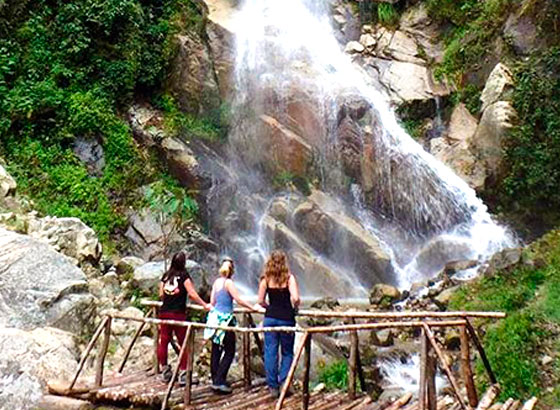
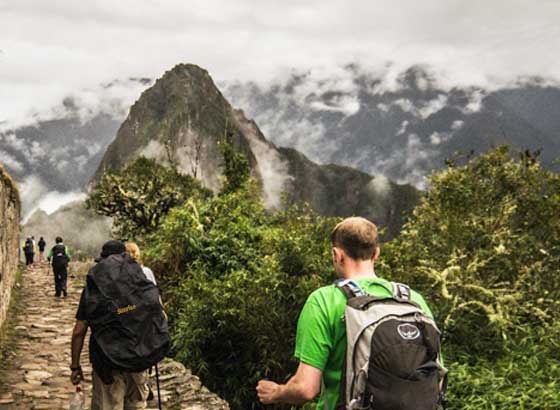


 When planning an adventure in the great outdoors, choosing the right accommodation can significantly enhance the experience. To ensure comfort and convenience, we will provide top-quality camping tents, each designed to accommodate two people comfortably. These tents are crafted from durable materials, offering excellent weather resistance while ensuring breathable interiors that provide a pleasant night’s sleep. Equipped with user-friendly setup features, our tents promise a quick and hassle-free assembly process. Set amidst picturesque natural landscapes, our camping sites provide easy access to essential facilities and stunning views, ensuring a memorable and immersive outdoor experience.


 7:00 am – Departure from your Cusco hotel’s lobby.

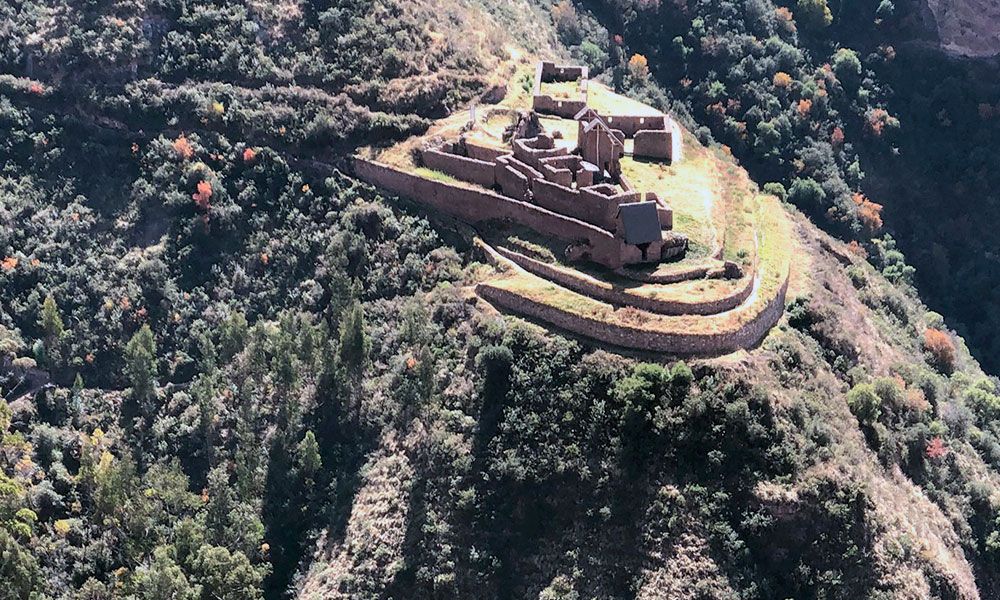


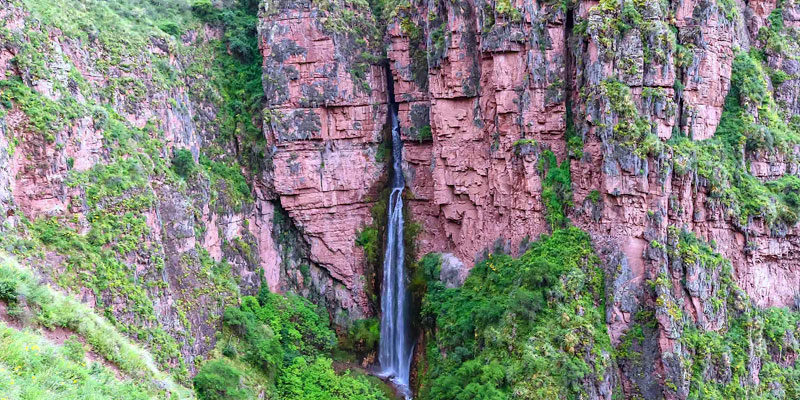


 SHORT INCA TRAIL TO MACHUPICCHU2-day Trekking - modearte
 SALKANTAY TREK TO MACHUPICCHU3-day Trekking - modearte
 LARES VALLEY TREK TO MACHUPICCHU4-day Trekking - modearte
 PATABAMBA TREK TO MACHUPICCHU3-day Trekking - modearte


